Pin-Tzu
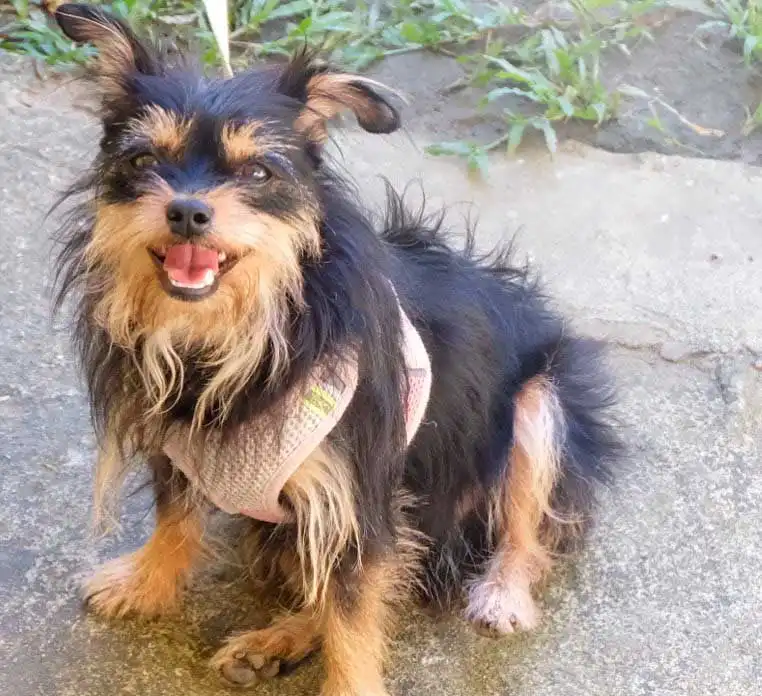
The Pin-Tzu is a delightful hybrid that merges the Miniature Pinscher with the Shih Tzu, both recognized as toy breeds. Typically, these dogs reach a height of about 11 inches and weigh no more than 15 pounds. Despite their petite size, Pin-Tzus are celebrated for their courage and make excellent watchdogs. They usually get along well with people and other pets, but they tend to flourish in homes without young children, as they can become irritable if surprised. Training them is generally uncomplicated, though housebreaking may require some patience. Employing positive reinforcement methods will aid in their learning process. These affectionate companions enjoy cuddling and are just as happy lounging on the couch as they are embarking on outdoor escapades.

Breed Origin
The Miniature Pinscher originates from Germany and, while it may look like a smaller version of the Doberman Pinscher, the two breeds are not genetically linked. In fact, the Miniature Pinscher has a history that predates the Doberman by more than 2,000 years, as illustrated by Renaissance art from that time. This breed is thought to have been developed primarily from the German Pinscher, although some accounts also mention contributions from Terriers, Italian Greyhounds, and Dachshunds. The name "Pinscher" translates to "Terrier" or "biter" in German. Initially, these dogs were bred for pest control, specifically to hunt rats, but they soon became cherished family companions. The Pinscher Klub was founded in the late 1800s, and nearly twenty years later, the breed was introduced to the United States, where it received official recognition from the American Kennel Club in 1925. In 1930, the Miniature Pinscher Club of America was established and also gained AKC recognition. Conversely, the Shih Tzu has its origins in ancient China, where it has long been a symbol of nobility since the Tang Dynasty. These small dogs were bred to be both companions and protectors for royal families, descending from the Tibetan Mountain Dog, Pekingese, and Lhasa Apso. The breed became popular among the general public during the Ming Dynasty, around 1400 A.D., resulting in a notable increase in their population. However, their numbers drastically dwindled during the Chinese Revolution, with only fourteen dogs—seven males and seven females—surviving. Today, all contemporary Shih Tzus are believed to be descendants of these fourteen survivors. The first Shih Tzus to reach America were mistakenly identified as Lhasa Apsos and were not recognized as a separate breed until they were registered with the American Kennel Club in 1969.
Breed Appearance
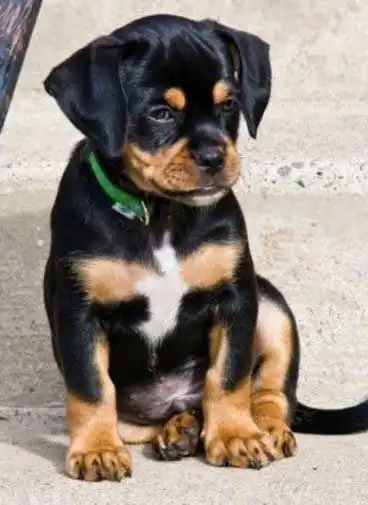
The Pin-Tzu is a small hybrid breed known for its distinctive brown eyes and a nose that can be either brown or black. Their coat displays a diverse palette of colors, such as brindle, sable, blue, fawn, Isabella, cream, red, brown, black, white, silver, gray, lilac, and various combinations of these hues. Typically, their fur is short to medium in length, straight, and has a texture that ranges from medium to fine. This breed often has a short, brachycephalic muzzle reminiscent of the Shih Tzu, which may predispose them to brachycephalic syndrome. Ear shapes can differ, with some Pin-Tzus having floppy ears while others have perky, upright ones. Overall, they are compact yet sturdy, featuring relatively long legs and a long tail.

Care Routine
The grooming requirements for your Pin-Tzu depend on the texture and length of her coat. Some dogs may possess a fine, shaggy coat with longer strands that can quickly become tangled if not brushed every day. To tackle these knots effectively, you may need to utilize both a pin brush and a metal comb. On the other hand, some Pin-Tzus might only need to be brushed with a slicker brush a few times each week. It’s advisable to bathe her about once a month with a mild dog shampoo recommended by your veterinarian. Bath time also presents a perfect chance to trim her nails and clean her ears.
Behavior & Temperament
The Pin-Tzu is a playful, affectionate, and attentive breed that delights in both playtime and your companionship. Generally friendly and sociable, this dog may be wary of strangers, making it essential to introduce them to new people to avoid any potential problems. Housetraining can demand a fair amount of patience due to their occasionally stubborn nature. With appropriate socialization, Pin-Tzus usually coexist harmoniously with other pets and older children, though it's advisable to supervise them around younger kids for safety. Provided they receive sufficient mental and physical stimulation, they are unlikely to suffer from separation anxiety.


Play & Exercise
Your Pin-Tzu needs a well-rounded daily exercise routine. Strive to provide at least 45 minutes to an hour of energetic activity each day, which can consist of morning and evening walks paired with a game of fetch. They love playing with sticks and balls and often thrive in agility and obedience training. Furthermore, your Pin-Tzu may appreciate socializing with other dogs at the park, swimming, or hiking. A lack of adequate exercise can lead to anxiety or boredom, which may result in behavioral problems.
Things to Know
Cups Per Day
1.0 Cups
Daily Activity
45 Minutes
Average Lifespan
14 Years
Origin
2000s
Type
Crossbreeds
Size
Small
Origin Country
United States
Brush Frequency
Daily
Coat Texture
Straight
Register
Your kids have been begging for a pet forever, and you've recently decided that it's time for your family to get a new addition -- a dog! While everyone is excited for the new arrival, you're wondering if you need to have a dog license. How much does it cost? Is it required? Where do you get one?
Member Clubs

PETINNATE
Other
Height & Weight
Weight
12 lbs (5 kg)Male: 13 lbs (6 kg) , Female: 11 lbs (5 kg)
Height
11 inches (28 sm)Male: 12 inches (30 sm) , Female: 11 inches (28 sm)
6 Months
6 lbs ( m 6 lbs, f 6 lbs )
8 inches ( m 8 inches, f 8 inches )
12 Months
8 lbs ( m 8 lbs, f 8 lbs )
9 inches ( m 9 inches, f 9 inches )
18 Months
10 lbs ( m 10 lbs, f 10 lbs )
10 inches ( m 10 inches, f 10 inches )
Eye Colors
Brown

Nose Colors
Black
Brown
Coat Colors
Brindle

Sable

Pied

White
Silver
Blue

Fawn

Isabella
Cream
Red

Brown

Gray

Black