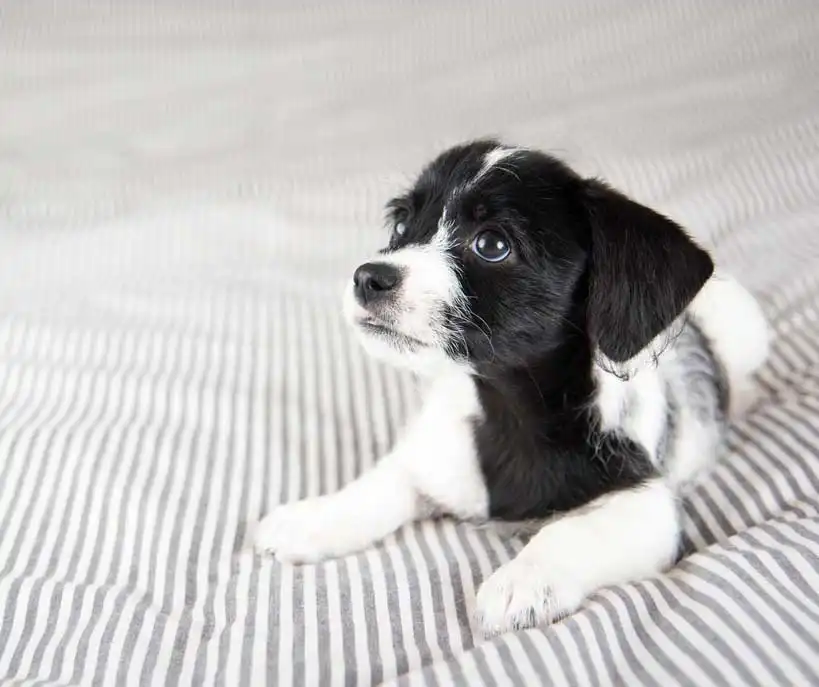
Pinny-Poo
The Pinny-Poo is a charming hybrid of the Miniature Pinscher and Poodle, with its size largely determined by whether the Poodle parent was a toy, miniature, or standard variety. Their coats can vary widely due to genetic influences. These dogs are known for their energetic personalities and love to engage in playtime with their families, whether that includes humans or other animals. While they generally get along well with older children, they might be a bit nippy around younger ones. The Pinny-Poo makes for a superb watchdog, combining loyalty and protectiveness with a loving disposition. However, this breed can be somewhat headstrong, which may necessitate extra time and patience during training.
Breed Origin
The Pinny-Poo, a relatively recent breed, does not have a comprehensive history of its own, making it important to delve into the backgrounds of its parent breeds: the Miniature Pinscher and the Poodle. The Miniature Pinscher, which has a history spanning approximately 2,000 years, originated in Germany specifically for hunting vermin. Although they share a similar appearance and name with the Doberman Pinscher, they are not directly related. The term "Pinscher" actually means "terrier" in German, and this breed is thought to have ties to the German Terrier, Dachshund, and Italian Greyhound. Commonly known as Min-Pins, these dogs have been featured in Renaissance artwork dating back two millennia. The German Miniature Pinscher Klub was founded in the late 17th century, and about 20 years later, the breed made its debut at the Stuttgart Show. Their popularity soared in the United States, leading to their recognition by the American Kennel Club in 1925, followed by the establishment of the Miniature Pinscher Club of America in 1930. Conversely, the Poodle is one of the oldest dog breeds, believed to have existed prior to the first century, with statues found among ancient Egyptian relics. This breed was developed from a mix of European dogs, including those from France, Spain, Hungary, Russia, Germany, and the Portuguese Water Dog. Some experts also propose that the North African Barbet may be part of their ancestry. While many stories surround the Poodle's origins, these are the most widely accepted. Poodles are available in three sizes: standard, toy, and miniature, all of which were recognized around the 15th century. Initially bred for hunting, they quickly became known for their remarkable circus performances and as cherished family companions. The Poodle has been part of the American Kennel Club since 1887 and is currently ranked as the seventh most popular breed in the United States.
Breed Appearance
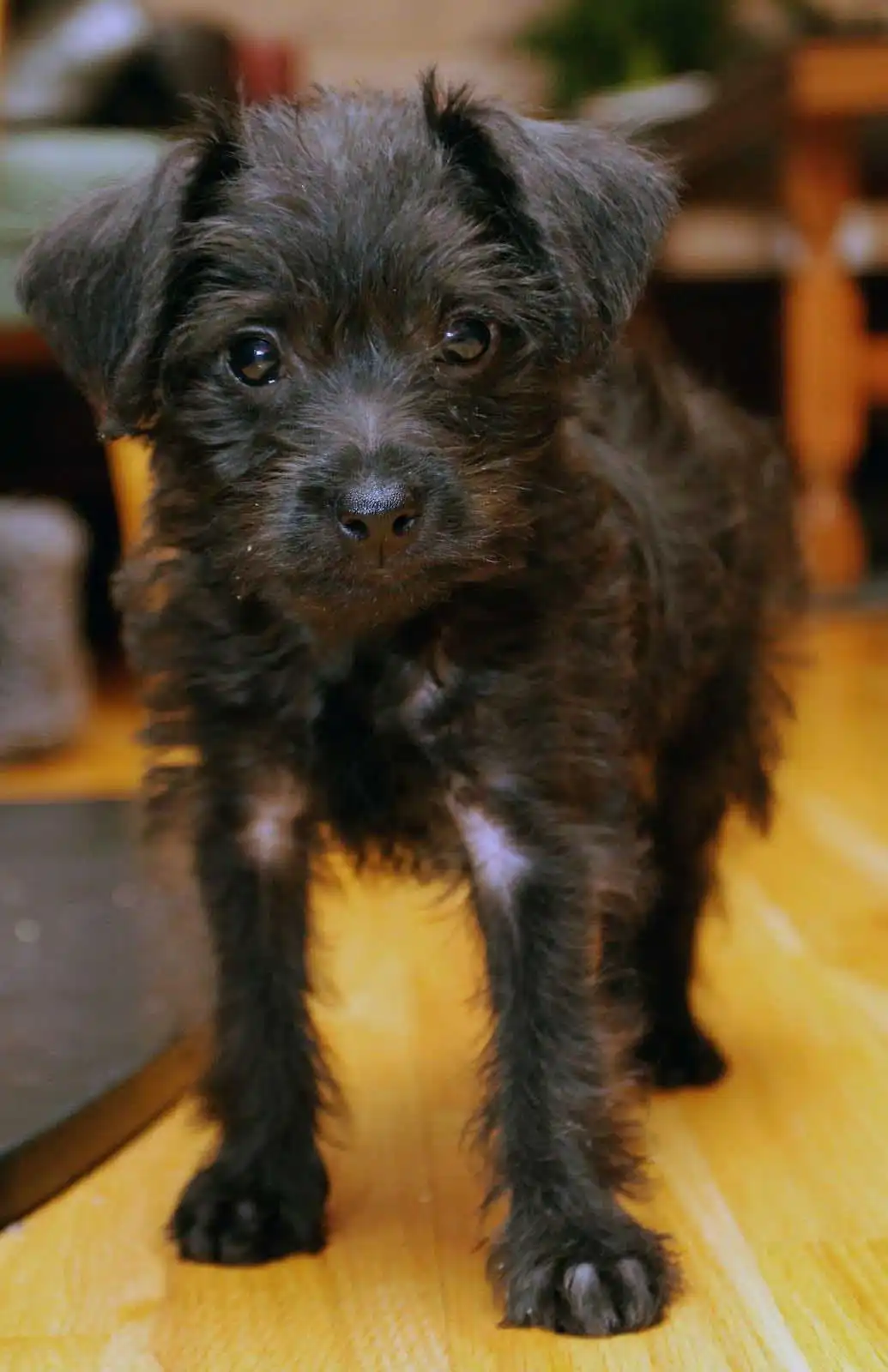
The Pinny-Poo is a dog that comes in a range of sizes, from small to medium, depending on the specific Poodle breed involved in its lineage. These dogs typically weigh between 5 and 45 pounds and stand 8 to 18 inches tall. They are easily recognized by their small, round eyes, which can be either brown or amber, and their pointed snouts adorned with brown or black noses. With long, floppy ears, their coats can vary from medium to long and dense, showcasing a diverse palette of colors such as white, black, red, silver, blue, gray, brown, cream, apricot, lemon, fawn, sable, brindle, orange, and pied. While their fur is generally wavy, it can also be straight due to genetic variations, and it may have hypoallergenic properties akin to those found in Poodles.

Care Routine
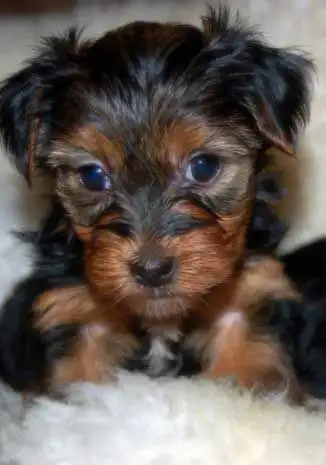
Given their Poodle lineage, caring for a Pinny-Poo's coat can be quite time-consuming. Regular daily brushing is crucial, and many pet owners choose to have their dogs professionally groomed every few months to keep the fur under control. However, with the right methods, you can master at-home grooming using trimmers. It's also vital to bathe your Pinny-Poo every few weeks, which is an excellent time to clean their ears as well. Always opt for a gentle dog shampoo recommended by your veterinarian to avoid drying out your dog's skin. Additionally, you can manage nail trimming yourself approximately once a month, or you may prefer to have it done by a groomer or veterinarian.
Behavior & Temperament
Your Pinny-Poo will be a fantastic addition to your household, thanks to their loving personality and fondness for snuggling. They thrive on social interaction and may feel anxious if left alone for long periods. With their gentle nature and loyalty, they are perfect lap dogs for anyone. While they might need a little extra time for training, their intelligence enables them to pick up tricks that can keep you entertained for hours. Once they are trained, your Pinny-Poo will be obedient and should not present any further difficulties. They are generally wary of strangers, which makes them good watchdogs, but it’s essential to introduce them to guests properly.


Play & Exercise
The Pinny-Poo needs at least an hour of exercise each day to stay healthy and prevent feelings of boredom or anxiety. A lack of physical activity can result in negative behaviors, such as excessive barking or chewing on furniture. To keep your Pinny-Poo engaged, consider activities like brisk walks, trips to the dog park for social interaction, swimming, playing fetch or flyball, hiking, or simply letting them run in a secure yard. These dogs are quick to learn and are adept at picking up tricks, making them excellent candidates for agility competitions and obedience training. If your Pinny-Poo is small enough, you can also have fun playing fetch indoors.
Things to Know
Cups Per Day
2.5 Cups
Daily Activity
60 Minutes
Average Lifespan
12 Years
Origin
1990s
Type
Crossbreeds
Size
Small
Origin Country
United States
Brush Frequency
Daily
Coat Texture
Wavy
Register
Your kids have been begging for a pet forever, and you've recently decided that it's time for your family to get a new addition -- a dog! While everyone is excited for the new arrival, you're wondering if you need to have a dog license. How much does it cost? Is it required? Where do you get one?
Member Clubs

PETINNATE
Other
Height & Weight
Weight
24 lbs (11 kg)Male: 28 lbs (13 kg) , Female: 20 lbs (9 kg)
Height
13 inches (33 sm)Male: 14 inches (36 sm) , Female: 12 inches (30 sm)
6 Months
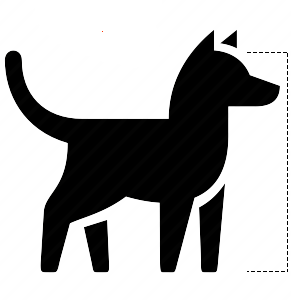
9 lbs ( m 9 lbs, f 9 lbs )
9 inches ( m 9 inches, f 9 inches )
12 Months
14 lbs ( m 14 lbs, f 14 lbs )
10 inches ( m 10 inches, f 10 inches )
18 Months
20 lbs ( m 20 lbs, f 20 lbs )
12 inches ( m 12 inches, f 12 inches )
Eye Colors
Brown

Amber
Nose Colors
Black
Brown
Coat Colors
Black
Gray
Brown
Red
Cream
Fawn
Blue
Silver
White
Pied
Sable
Brindle