Plica
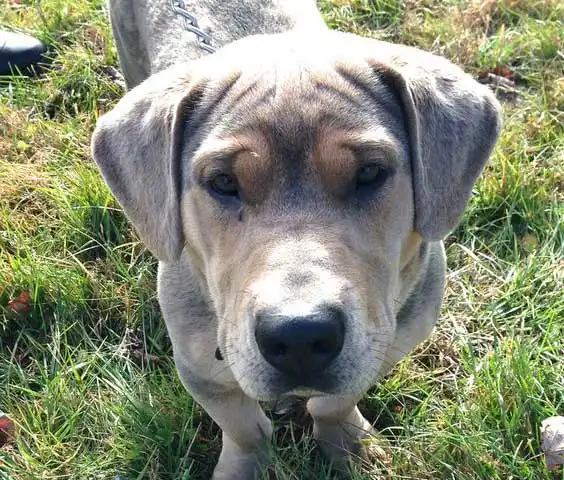
The Plica is a charming hybrid breed that emerges from the crossbreeding of a Basset Hound and an Ori Pei, the latter being a blend of a Chinese Shar-Pei and a Pug. Each of these parent breeds is celebrated for its loving and obedient temperament, which makes the Plica an excellent choice for families. These dogs not only adore children but also coexist harmoniously with other pets, and their ease of training makes them a great option for novice dog owners. Plicas are available in a wide range of colors, such as brown, sable, fawn, silver, brindle, red, black, white, cream, and pied. Overall, they are a robust breed that enjoys both relaxing on the couch and engaging in playful games of fetch in the yard.
Breed Origin
The Plica is a relatively recent designer dog breed, formed by the combination of three unique breeds. To appreciate its origins, one must delve into the histories of its parent breeds. The Basset Hound, which traces its lineage back to 16th-century France, was initially bred for hunting rabbits and other small game. Its name comes from the French term "bas," meaning "low," which aptly describes its short legs and sturdy frame. This breed is a descendant of the Basset Normand, the Basset d’Artois, and several other hounds. The breed's evolution is credited to the Friars of the French Abbey in Saint Hubert, who aimed to develop a slower dog that could be easily tracked during hunts. In the 19th and early 20th centuries, it is believed that the Basset Hound was interbred with the Bloodhound to enhance its size. The breed gained considerable popularity in 1863 after being featured at a dog show in Paris, and its fame skyrocketed further when Elvis Presley released the hit song "Hound Dog" and when a Basset Hound starred alongside the main cast in the television series The Dukes of Hazzard. According to the American Kennel Club, the Basset Hound is currently ranked as the 39th most popular dog breed, having been officially registered in 1935. In contrast, the Ori Pei has a much more recent origin, having been developed in 1970 by American dog lover Aaron Silver, who aimed to create a smaller variant of the Chinese Shar-Pei while also addressing some of its genetic health concerns. To accomplish this, he crossed the Shar-Pei with the Pug, an ancient breed that has been around for over 2,000 years and hails from China. Although the Ori Pei is not recognized by the American Kennel Club as a pure breed, the Chinese Shar-Pei has been registered since 1992, and the Pug received recognition in 1885.
Breed Appearance
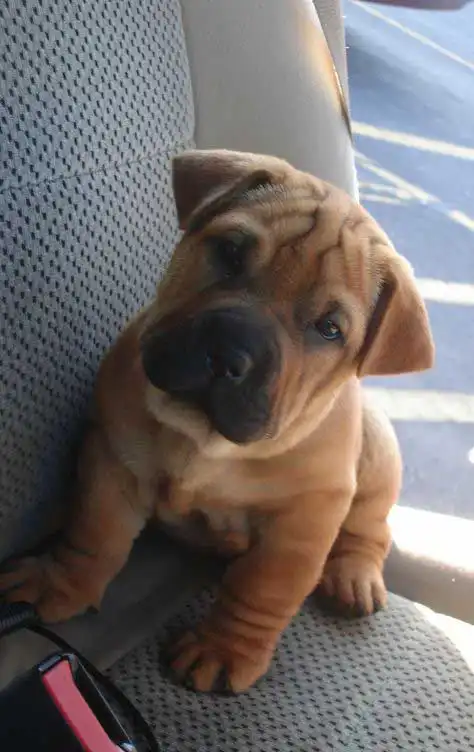
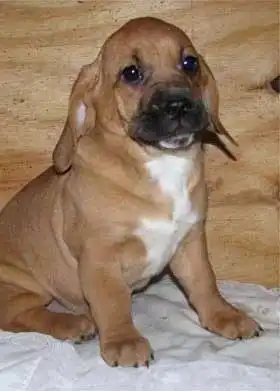
The Plica is characterized by its unique brown or black nose and large, expressive brown eyes, which are framed by a small, round, and wrinkled head. Its coat is short, smooth, and soft, often showcasing a variety of colors including red, brown, black, white, silver, pied, sable, fawn, or brindle, with a medium density. Although its skin is wrinkled, akin to that of the Chinese Shar-Pei, it is not as loose. The Plica has short but sturdy legs, and its ears droop in a teardrop shape. The tail is of medium to long length, typically hanging straight unless in motion, though some individuals may have a tail that curls over their back, reminiscent of the Shar-Pei.

Care Routine
The Plica has short, straight fur that is relatively easy to care for, but it does shed quite a bit, which means regular brushing is essential. Ideally, you should give them a light brush every day with a bristle or slicker brush. In addition, a more thorough brushing with a bristle or pin brush should be performed once or twice a week. Generally, baths are not necessary unless they get into something dirty; however, if skin problems occur due to their loose skin, using a medicated shampoo may be required. It's also crucial to clean your Plica's ears a few times a month, brush their teeth twice a week, and trim their toenails as needed.
Behavior & Temperament
This designer breed combines traits from three distinct dog breeds, all celebrated for their amiable and gentle dispositions, which makes them wonderful companions. While they can be energetic and playful, they also enjoy downtime and cozy naps. With their hound ancestry, they possess an inherent instinct to chase after local wildlife, such as rabbits and squirrels. If you have smaller pets, like guinea pigs or kittens, it's important to note that they may be inclined to chase them indoors. These dogs are exceptionally smart and keen to satisfy their owners, often resulting in a straightforward training experience.


Play & Exercise
The Plica has a tendency to become quite sedentary if allowed, but it’s crucial to ensure they get at least 30 to 45 minutes of energetic exercise daily to avoid gaining weight. Although they don’t need an excessive amount of physical activity, their small size makes them susceptible to injuries in the hips and knees, so it’s best to limit high-impact activities like running and jumping. This little breed can have a lot of fun with activities such as playing fetch, enjoying a couple of walks each day, or mingling with other dogs at the park. Moreover, they may find joy in casually running around in a secure yard, which provides an excellent opportunity for play.
Things to Know
Cups Per Day
2.5 Cups
Daily Activity
30 Minutes
Average Lifespan
12 Years
Origin
2000s
Type
Crossbreeds
Size
Medium
Origin Country
United States
Brush Frequency
Daily
Coat Texture
Straight
Register
Your kids have been begging for a pet forever, and you've recently decided that it's time for your family to get a new addition -- a dog! While everyone is excited for the new arrival, you're wondering if you need to have a dog license. How much does it cost? Is it required? Where do you get one?
Member Clubs

PETINNATE
Other
Height & Weight
Weight
43 lbs (20 kg)Male: 45 lbs (20 kg) , Female: 40 lbs (18 kg)
Height
14 inches (36 sm)Male: 15 inches (38 sm) , Female: 13 inches (33 sm)
6 Months
20 lbs ( m 20 lbs, f 20 lbs )
11 inches ( m 11 inches, f 11 inches )
12 Months
30 lbs ( m 30 lbs, f 30 lbs )
12 inches ( m 12 inches, f 12 inches )
18 Months
40 lbs ( m 40 lbs, f 40 lbs )
13 inches ( m 13 inches, f 13 inches )
Eye Colors
Brown

Nose Colors
Black
Brown
Coat Colors
Black
Brown
Red
Cream
Fawn
Silver
White
Pied
Sable
Brindle