Pudelpointer
Pudel, PP, Pudlepointer, Puddle Pointer, Poodle Pointer, Pudle Pointer, Pudel Pointer
The Pudelpointer is an intriguing hunting dog breed that originates from a combination of the Pudel (commonly referred to as the German Hunting Poodle), the English Pointer, and several other pointing breeds. This breed is recognized for being hypoallergenic, making it not only a capable hunter but also a loving companion that thrives on human interaction. With a sharp intellect, the Pudelpointer responds well to training, especially when positive reinforcement methods are utilized. While he may seem a bit clumsy at times, he is a devoted friend and an adept hunter. To keep him calm and well-adjusted in a family setting, it is crucial to provide sufficient daily exercise, allowing him to balance his natural hunting instincts with life at home.
Breed Origin
Baron Von Zedlitz was a distinguished German breeder celebrated for his mastery in hunting dogs, especially those adept at tracking, retrieving, and pointing. In 1881, he embarked on a breeding project that involved crossing a German Hunting Poodle, or Pudel, with an English Pointer, with the goal of creating the quintessential gun dog capable of thriving in both land and water. The Pudel's natural affinity for water and exceptional retrieving abilities made it an ideal candidate for this endeavor. Over a span of more than three decades, Baron Von Zedlitz diligently pursued the development of his perfect gundog. Given the Pudel's strong genetic influence, he had to consistently refine his breeding techniques, employing 80 Pointers alongside only 11 Pudels to produce the Pudelpointer. Throughout this period, the breed remained relatively unknown; Zedlitz only entrusted puppies to close friends and fellow hunting enthusiasts, allowing him to closely observe their growth and training. In 1956, Bodo Winterhelt brought the Pudelpointer to Canada and later established the Pudelpointer Club of North America in 1977. The breed quickly gained traction among Canadian hunters and hunting organizations, and with the formation of the club, interest in the Pudelpointer began to extend into the United States. It has since received recognition from the United Kennel Club and is currently in the process of being acknowledged by the American Kennel Club. The breed has been accepted into the AKC’s Foundation Stock Service and is recognized as a rare sporting breed.
Breed Appearance
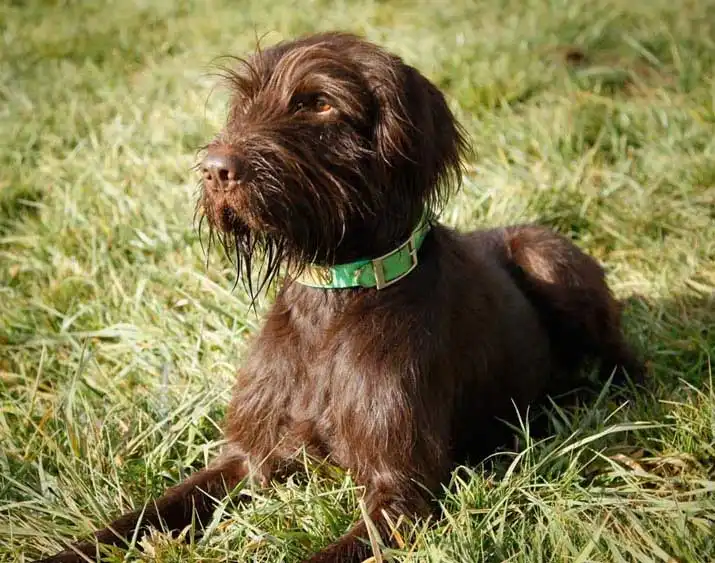
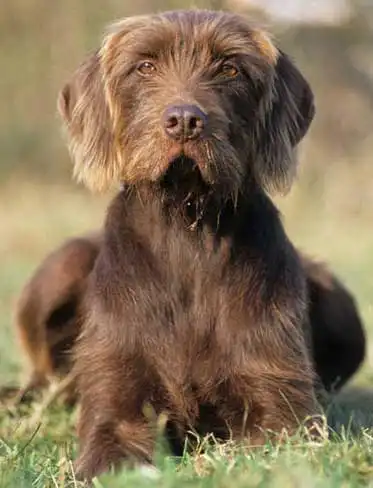
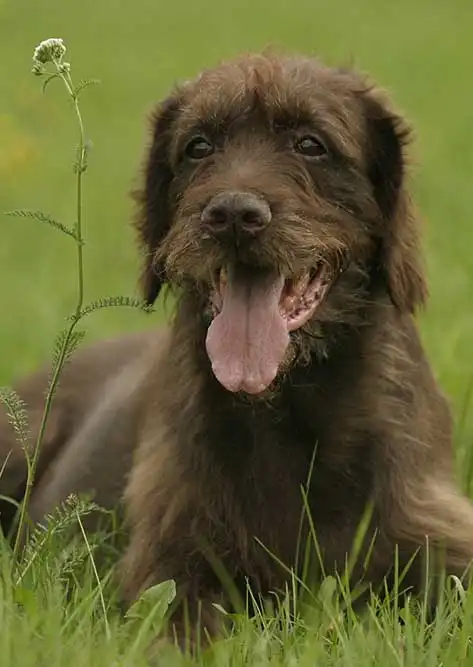
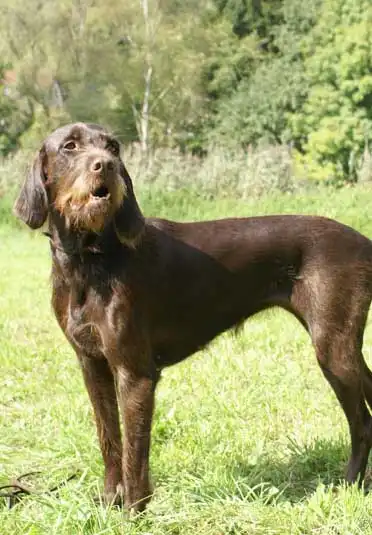
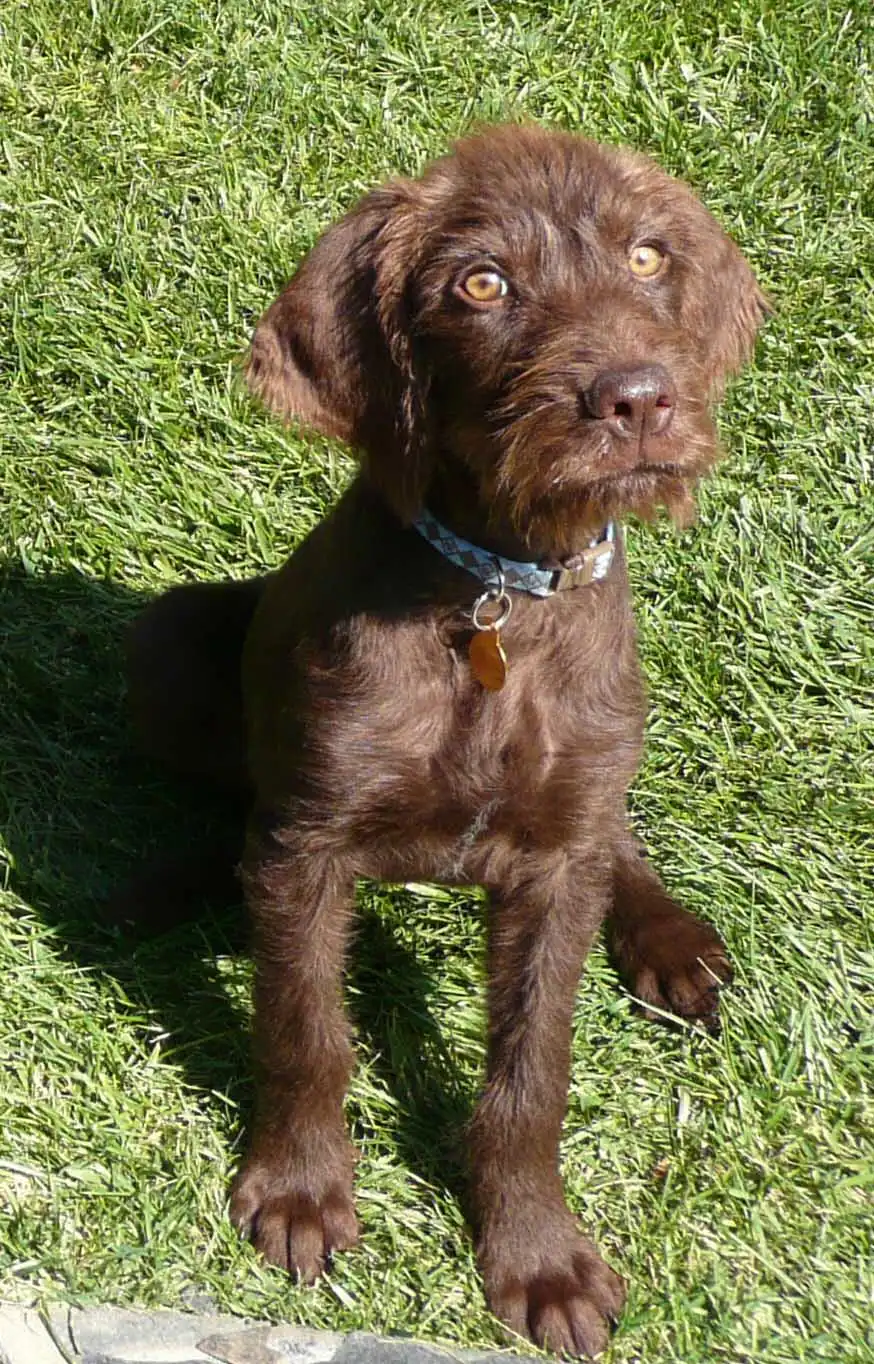
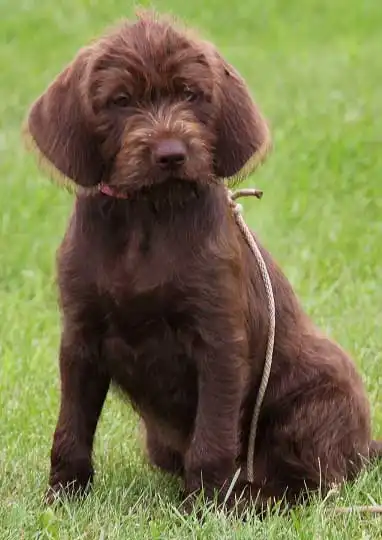
The Pudelpointer is often described as having a unique and somewhat awkward look. The color of its nose corresponds to the coat, appearing in shades of either black or brown. Its prominent eyes, located on the sides of the head, are also colored to match the coat. It’s crucial that the breed does not have droopy eyelids or a wall-eyed stare. The Pudelpointer sports a medium-length topcoat that is coarse and closely adheres to the body, lying flat against it. Underneath, there is a thick, softer undercoat. A notable beard contributes to its mature appearance. This breed's coat is crafted to withstand various weather conditions, providing significant protection from underbrush and branches. Pointers come in three main colors: black, liver, and brown, with the option of small white markings on the chest or toes; however, large white patches on the body are not permissible.
Care Routine
The Pudelpointer is recognized for its hypoallergenic qualities, making it a great choice for those who are sensitive to pet allergens. This breed is also generally low maintenance. Its coat tends to stay clean naturally and does not carry the unpleasant odors often found in dogs. To maintain the coat's health, it is advisable to brush it weekly using a pin brush and a metal comb to remove dirt. Don’t forget to comb through the beard to detangle knots and clear away debris. When a bath is necessary, use a mild shampoo that is gentle on the skin. Some owners prefer to trim the beard to reduce drooling and food buildup. Establishing a routine for dental care is crucial to avoid early tooth decay and gum issues. Regular nail trimming every few weeks, or as needed, is also vital. Finally, clean the ears weekly to help prevent infections.
Behavior & Temperament
The Pudelpointer is an exceptionally intelligent and friendly breed. While he shines as a committed hunter, he also makes a wonderful family pet. At home, he exhibits a relaxed attitude but requires plenty of social interaction and exercise. To keep him from pursuing unsuspecting wildlife, a secure fence is crucial. When outside his yard, it’s important to keep him on a leash unless you’re in a designated off-leash area, such as a dog park. Moreover, due to his strong prey drive, it’s wise not to leave him unsupervised with smaller animals like cats or birds, as they could be at risk. Training a Pudelpointer is typically easy, as long as it is consistent and engaging. He instinctively takes on the role of a watchdog, but don’t expect him to be a fierce guardian of your home. His remarkable retrieving skills also make him an excellent choice for search and rescue operations.
Play & Exercise
Things to Know
Cups Per Day
2.1 Cups
Daily Activity
60 Minutes
Average Lifespan
13 Years
Origin
1800s
Type
Pure Breeds
Size
Medium
Origin Country
Germany
Brush Frequency
Weekly
Coat Texture
Straight
Register
Your kids have been begging for a pet forever, and you've recently decided that it's time for your family to get a new addition -- a dog! While everyone is excited for the new arrival, you're wondering if you need to have a dog license. How much does it cost? Is it required? Where do you get one?
Member Clubs

PETINNATE
Gun Dog

AKC
Foundation Stock Service

UKC
Gun Dog
Height & Weight
Weight
55 lbs (25 kg)Male: 55 lbs (25 kg) , Female: 55 lbs (25 kg)
Height
25 inches (64 sm)Male: 26 inches (66 sm) , Female: 24 inches (61 sm)
6 Months
25 lbs ( m 25 lbs, f 25 lbs )
18 inches ( m 18 inches, f 18 inches )
12 Months
45 lbs ( m 45 lbs, f 45 lbs )
21 inches ( m 21 inches, f 21 inches )
18 Months
55 lbs ( m 55 lbs, f 55 lbs )
23 inches ( m 23 inches, f 23 inches )
Eye Colors
Hazel

Brown
Amber
Nose Colors
Black
Brown
Coat Colors
Brown
Black