Pug Shiba
The Pug Shiba is a hybrid breed that emerges from the crossbreeding of a Shiba Inu and a Pug. This breed is known for its tendency to shed fur, a characteristic inherited from both parent breeds. The Pug Shiba requires a moderate amount of exercise and enjoys playful interactions with both children and adults. This versatile dog adapts well to different living environments, whether in an apartment or a house, and can thrive with or without a fenced yard. Renowned for being a delightful family pet, he generally gets along well with other animals and people. Although he is typically healthy, it's important to note that the Shiba Inu is a relatively rare breed, which makes the Pug Shiba even less common.
Breed Origin
The Pug Shiba is a rare hybrid breed that combines the traits of two distinct parent breeds. To understand the origins of the Pug Shiba, one must explore the histories of its ancestors. The Shiba Inu hails from Japan, where it was initially developed as a hunting dog, skilled in flushing out small game and birds for hunters. Tragically, this breed came close to extinction during World War II; many Shibas were lost in bombing raids, while others fell victim to distemper in the aftermath. In 1954, a military family introduced the Shiba Inu to the United States, and the first litter was born on American soil in the 1970s. The American Kennel Club officially recognized the breed in 1993. Conversely, the Pug has its origins in China, where it was highly valued as a companion to emperors. As trade flourished between China and European countries, the Pug gained popularity, capturing the affection of nobility in nations such as France and England. Notably, Marie Antoinette had a Pug before her marriage to Louis XVI, and William of Orange credited his Pug with saving his life by warning him of an impending attack by Spanish forces. In appreciation, he designated the Pug as the official dog of the House of Orange. After the Civil War, the Pug arrived in the United States and was recognized by the American Kennel Club in 1885.
Breed Appearance
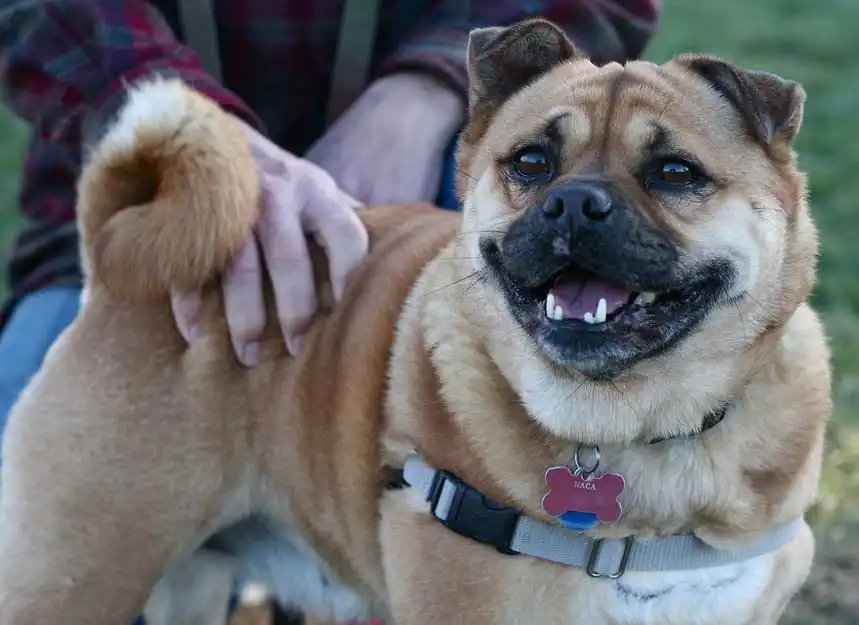
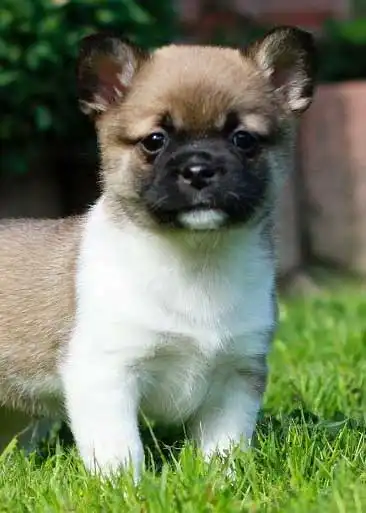
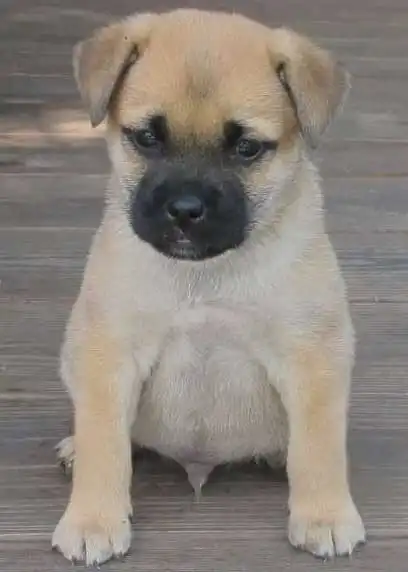
The Pug Shiba is a charming small dog, with its coat color reflecting the dominant breed in its ancestry. Generally, these dogs showcase hues of tan or red, often highlighted by white markings. Some may feature a "saddle" pattern, where brown or fawn appears on their backs, paired with a white chest, belly, and legs. Many also inherit the unique black markings around the mouth, nose, and eyes that are typical of Pugs. Furthermore, they may have the characteristic curly tail of the Pug. With a broad, deep chest, they can give off a slightly plump appearance, reminiscent of their Pug lineage. Their ears may be pointed, similar to those of the Shiba Inu, and their coat might exhibit the light red shade commonly associated with that breed. Additionally, they may have short legs and a brachycephalic snout, traits inherited from their Pug parent.

Care Routine
The Pug Shiba is quite easy to care for, making it a great choice for those who prefer minimal grooming time or wish to avoid the expenses of professional grooming. However, this breed does shed, so it's important to brush them regularly to prevent hair from accumulating on your furniture and clothes. Typically, a weekly brushing is enough, as their natural oils will help keep their coat shiny and healthy. To avoid tartar buildup, it's recommended to brush their teeth two to three times a week, with daily brushing being ideal to prevent tooth decay. Only bathe them when absolutely necessary, and remember to trim their nails every two to three weeks to avoid painful tears or breaks.
Behavior & Temperament
The Pug Shiba is a lovable and spirited companion, brimming with energy and enthusiasm. This breed is not only vigilant and playful but also demonstrates a profound loyalty to its family. Initially, he may seem somewhat reserved around strangers, but he quickly becomes friendly once he determines that they are not a threat to his loved ones, often winning them over with his charming personality. Renowned for his intelligence, it’s wise to provide him with toys that stimulate his mind. While he isn’t particularly prone to destructive behavior, extended periods of being alone can lead to separation anxiety. Deeply affectionate, he enjoys being close to his human family and will certainly alert you if he senses anything out of the ordinary in his environment.
Play & Exercise
The Pug Shiba is a dog that exhibits a moderate level of energy. He enjoys taking short, lively walks in the neighborhood and likely appreciates trips to the dog park as well. Early exposure to other dogs is beneficial in helping him cope with his inherent shyness. He finds joy in playing with toys that challenge his mind and loves engaging in playful roughhousing with his owner. It's crucial to keep in mind that the Pug, being one of the parent breeds, is at risk for brachycephalic syndrome, which is marked by a shortened snout. This condition can make them more vulnerable to overexertion, potentially leading to breathing problems and, in severe instances, heart issues. To keep your Pug Shiba safe during physical activities, always bring water along to prevent overheating and excessive strain.
Things to Know
Cups Per Day
2.0 Cups
Daily Activity
45 Minutes
Average Lifespan
14 Years
Origin
Unknown
Type
Crossbreeds
Size
Small
Origin Country
Unknown
Brush Frequency
Weekly
Coat Texture
Straight
Register
Your kids have been begging for a pet forever, and you've recently decided that it's time for your family to get a new addition -- a dog! While everyone is excited for the new arrival, you're wondering if you need to have a dog license. How much does it cost? Is it required? Where do you get one?
Member Clubs

PETINNATE
Other
Height & Weight
Weight
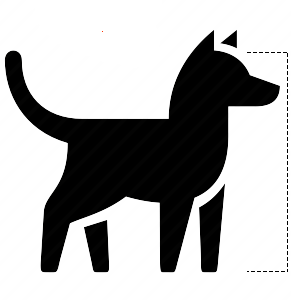
16 lbs (7 kg)Male: 16 lbs (7 kg) , Female: 16 lbs (7 kg)
Height
13 inches (33 sm)Male: 13 inches (33 sm) , Female: 13 inches (33 sm)
6 Months
7 lbs ( m 7 lbs, f 7 lbs )
6 inches ( m 6 inches, f 6 inches )
12 Months
10 lbs ( m 10 lbs, f 10 lbs )
8 inches ( m 8 inches, f 8 inches )
18 Months
12 lbs ( m 12 lbs, f 12 lbs )
10 inches ( m 10 inches, f 10 inches )
Eye Colors
Hazel
Nose Colors
Black
Coat Colors
Brown
Fawn
Pied