Pugalier
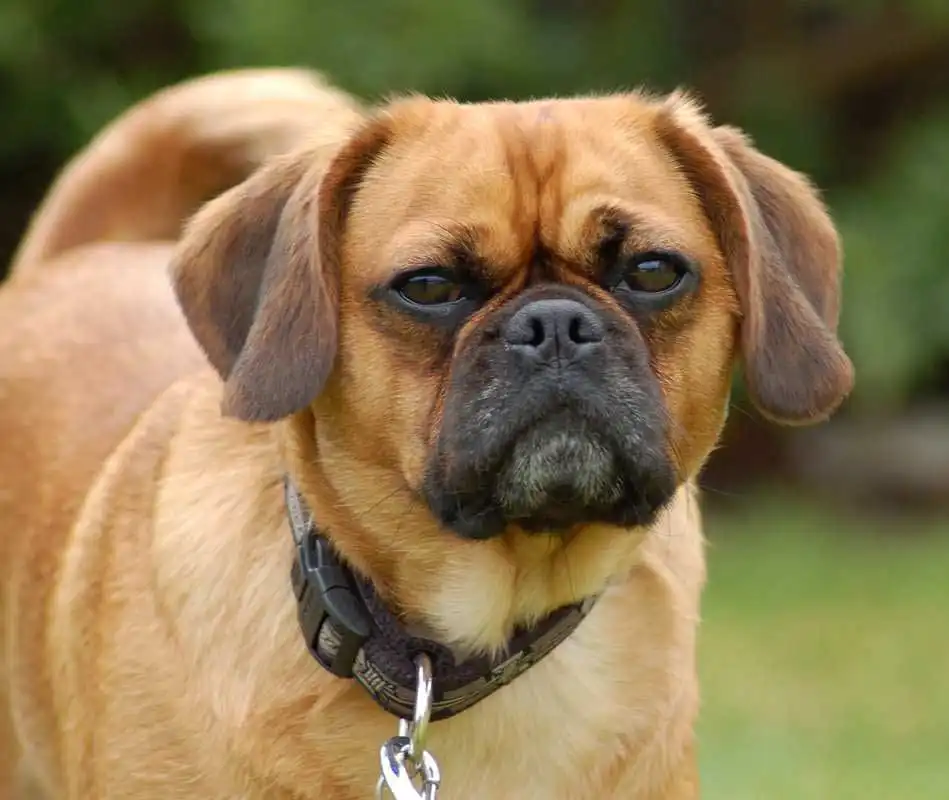
The Pugalier is a charming mixed breed that emerges from the union of a Pug and a Cavalier King Charles Spaniel. Typically, these small dogs weigh between 10 and 20 pounds and may display traits from one or both parent breeds. The goal of creating this hybrid was to maintain the Pug's lovable characteristics while addressing some of the breed's respiratory challenges by introducing a slightly elongated snout. While each Pugalier has its own unique personality, they are generally recognized for their friendly and loving demeanor, making them wonderful companions for families. Their moderate exercise needs enable them to thrive in a variety of living environments, whether in an apartment or a home with a yard.
Breed Origin
The Pugalier is a relatively new hybrid breed, yet its parent breeds have fascinating and extensive histories. The Pug's lineage dates back to ancient China during the Han dynasty, where these dogs were highly valued by emperors and integrated into the royal family. In the 16th and 17th centuries, Dutch traders brought the Pug to Europe, where it quickly became a favorite among nobility, often known by different names in various countries. It wasn't until after the Civil War that the Pug was introduced to the United States, receiving official recognition from the American Kennel Club in 1885. Conversely, the Cavalier King Charles Spaniel is thought to have descended from the Toy Spaniel. While its origins are rooted in the United Kingdom, the breed is believed to have connections to areas such as the Far East, Malta, and Italy. Named in honor of Kings Charles I and Charles II, the Cavalier became a cherished companion of the royal family, with King Charles II so fond of the breed that he decreed they should be allowed in all public venues, including Parliament. The breed standard was formalized in the 1920s, and the first Cavalier King Charles Spaniel made its way to the United States in 1952, earning recognition from the American Kennel Club in 1995.
Breed Appearance
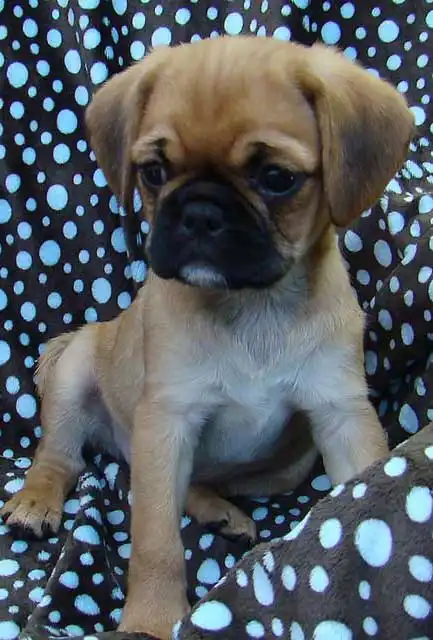
The Pugalier is a hybrid breed that showcases traits from both of its parent breeds. Like many mixed breeds, it can inherit a variety of physical features from either the Pug or the Cavalier King Charles Spaniel, or even a blend of both. Typically, a Pugalier has a rounded head similar to that of the Cavalier, combined with the Pug's distinctive short snout. However, conscientious breeders often strive to create individuals with slightly longer muzzles to help alleviate potential respiratory issues. While Pug-like prominent eyes are common in this breed, breeders are making efforts to minimize this trait due to concerns regarding eye health. Furthermore, Pugalier dogs are known for their soft, floppy ears and usually sport a short coat.

Care Routine
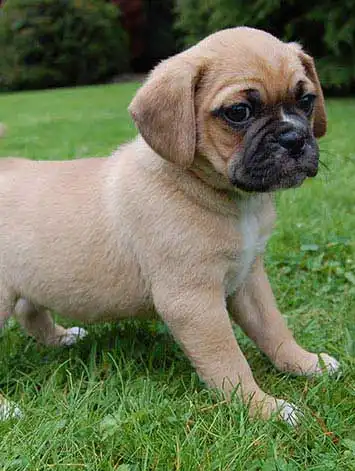
The Pugalier is a breed that requires relatively little maintenance. Typically, grooming needs are minimal; however, if your dog inherits traits from its Cavalier parent, you might need to dedicate a bit more time to grooming. For Pug-like coats, brushing once a week is adequate, while those resembling the Cavalier's fur benefit from being brushed two to three times weekly. If your Pugalier has prominent wrinkles, it's crucial to clean them occasionally with a damp cloth to avoid skin infections. This hybrid dog tends to shed throughout the year, so you’ll need to pay attention to your furniture, carpets, and clothing. Additionally, like any dog, regular tooth brushing several times a week is vital for ensuring your Pugalier maintains good dental health over time.
Behavior & Temperament
The Pugalier is a delightful blend of traits inherited from its parent breeds, the Pug and the Cavalier King Charles Spaniel. Each puppy will showcase a distinct mix of characteristics; some may resemble one parent more closely, while others may reflect qualities from both. Generally, Pugalier dogs are celebrated for their friendly demeanor, making them excellent companions for children and other pets. You can expect your Pugalier to be sociable and a joy to have around. Although this hybrid may occasionally display a stubborn side, they are usually intelligent and inquisitive. Training a Pugalier tends to be relatively easy, but it’s important to provide consistent reinforcement, particularly for those with a more determined personality.

Play & Exercise
Both parent breeds of this hybrid are known for their love of cuddling and spending time with their owners, yet they also require a moderate amount of physical activity. The Pugalier flourishes with daily exercise, which can encompass walks, play sessions both inside and outside, and trips to the dog park. However, it's important to steer clear of overly intense activities such as long runs or hikes. This hybrid doesn't demand extensive exercise, making it a great fit for apartment living without the need for a yard. Since the Pugalier is satisfied with light activity, it serves as an excellent companion for those who prefer a more relaxed lifestyle.
Things to Know
Cups Per Day
1.0 Cups
Daily Activity
30 Minutes
Average Lifespan
0 Years
Origin
Unknown
Type
Crossbreeds
Size
Small
Origin Country
Unknown
Brush Frequency
Weekly
Coat Texture
Straight
Register
Your kids have been begging for a pet forever, and you've recently decided that it's time for your family to get a new addition -- a dog! While everyone is excited for the new arrival, you're wondering if you need to have a dog license. How much does it cost? Is it required? Where do you get one?
Member Clubs

PETINNATE
Other
Height & Weight
Weight
15 lbs (7 kg)Male: 15 lbs (7 kg) , Female: 15 lbs (7 kg)
Height
12 inches (30 sm)Male: 12 inches (30 sm) , Female: 12 inches (30 sm)
6 Months
7 lbs ( m 7 lbs, f 7 lbs )
6 inches ( m 6 inches, f 6 inches )
12 Months
13 lbs ( m 13 lbs, f 13 lbs )
11 inches ( m 11 inches, f 11 inches )
18 Months
15 lbs ( m 15 lbs, f 15 lbs )
12 inches ( m 12 inches, f 12 inches )
Eye Colors
Brown

Nose Colors
Black
Coat Colors
Black

Brown

Gray

White
Fawn