Pugapoo
The Pugapoo is a delightful mixed breed that arises from the crossbreeding of a Pug and a Poodle. Renowned for its adaptability, affection, and intelligence, this breed is sociable with both children and cats, making it an excellent companion. Whether living in an apartment or a house with a secure yard, the Pugapoo flourishes in a variety of environments. Typically, this breed is quite healthy; although it is not hypoallergenic, it usually sheds very little, with the amount of shedding largely determined by the coat type inherited from its parents. While the Pugapoo can serve as a reasonable watchdog, its small stature may not present a significant deterrent to intruders. In conclusion, the Pugapoo is sure to be a charming and loving addition to any household.
Breed Origin
The Pugapoo has surged in popularity over the last twenty years, yet its exact origins are still somewhat of a mystery. To understand the history of the Pugapoo, we need to look at its parent breeds. The Pug has been a beloved companion of royalty and the upper class for centuries. It was notably adored by a Chinese emperor, and Marie Antoinette owned a Pug prior to her marriage to Louis XVI. Queen Victoria, renowned for her passion for dogs and her breeding activities, had several Pugs throughout her lifetime. According to legend, a Pug warned William of Orange about an impending attack, prompting him to name the breed the "official dog of the House of Orange" after he successfully defended against the threat. After the Civil War, Pugs were introduced to the United States, with the American Kennel Club registering the first Pug in 1885. In contrast, the Poodle was initially bred for hunting waterfowl and is regarded as an ancient breed with origins in Germany, although it was primarily refined in France. Most experts believe that the Poodle is descended from Asian herding dogs, but the precise path of their migration to Europe is still unclear. By the 8th century, Poodles had already made their presence known in Europe and have even been depicted in ancient Egyptian artwork. Over the years, Poodles have taken on various roles, serving as hunters, herders, and performers in circuses. They first appeared in America in the late 1880s, with the American Kennel Club officially recognizing the breed in 1886.
Breed Appearance
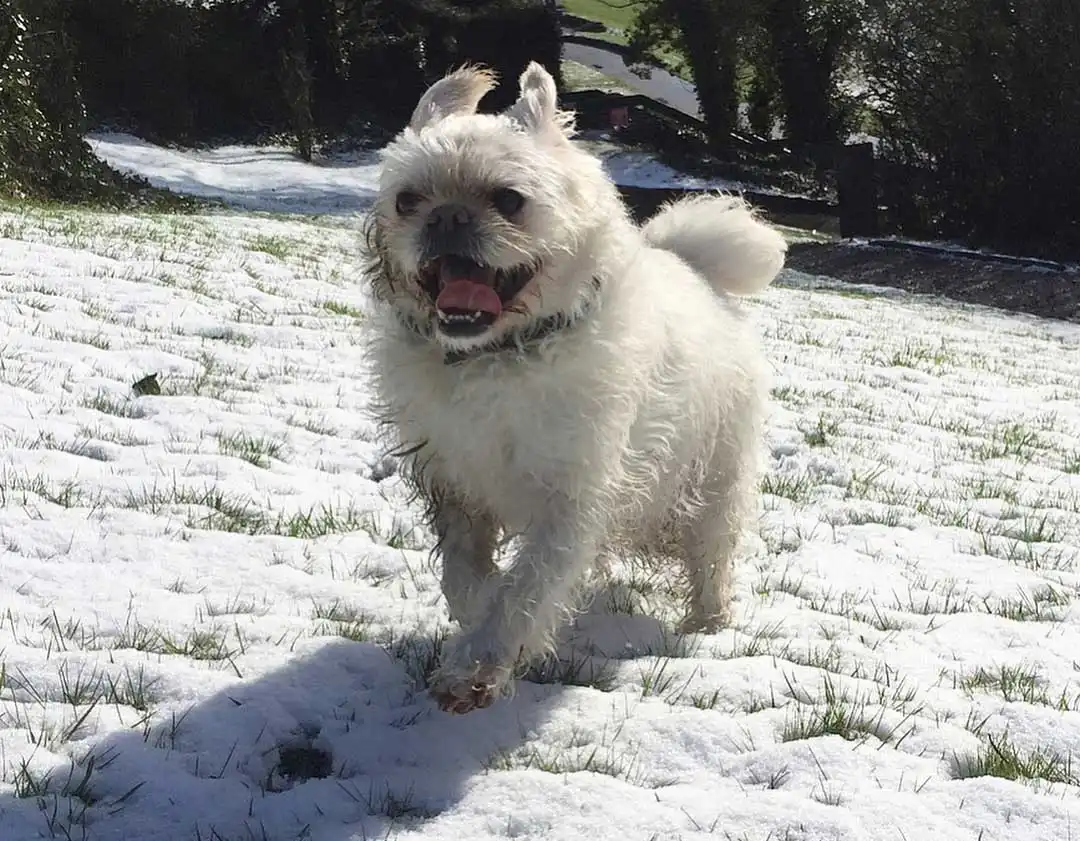
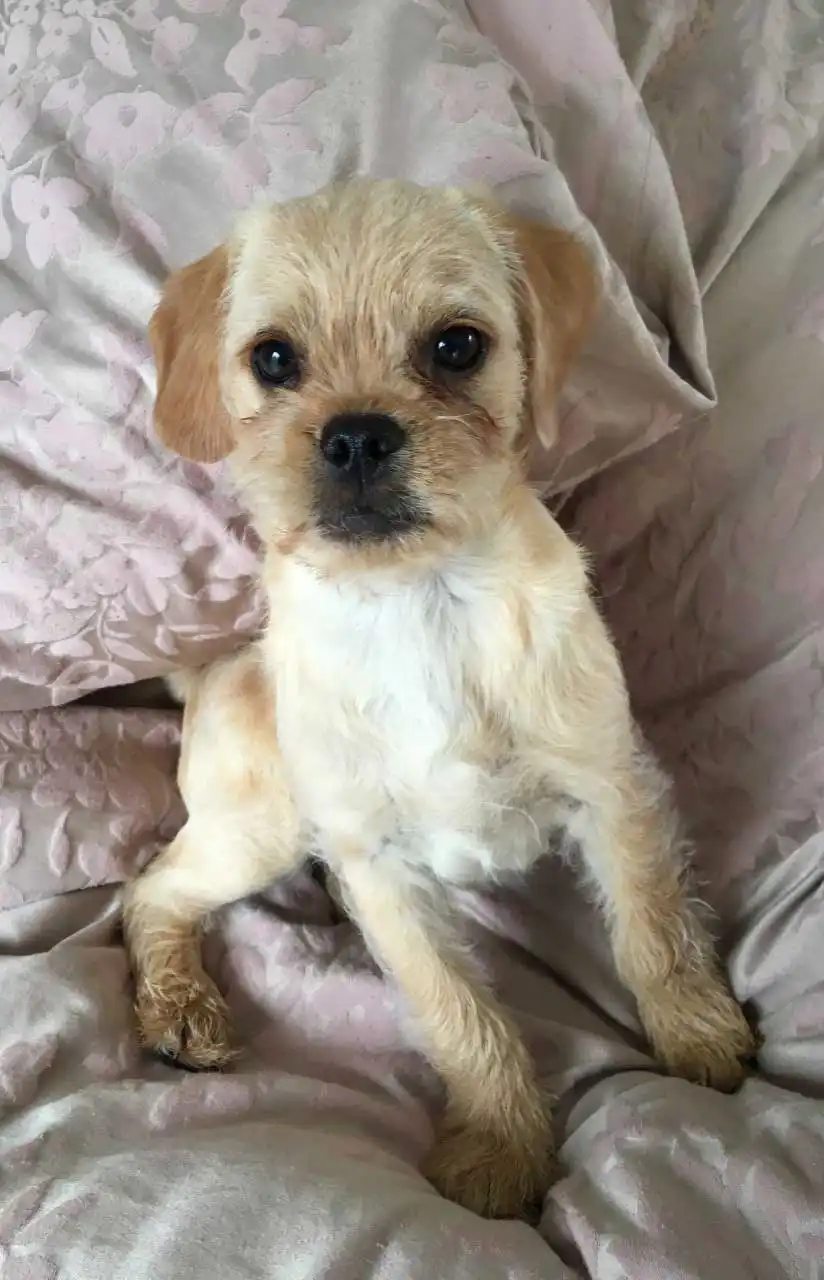
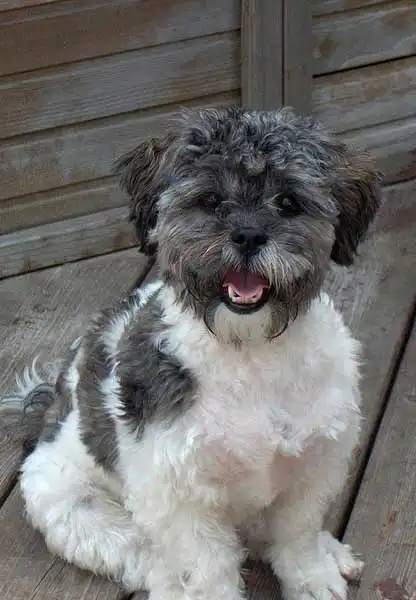
The Pugapoo showcases a distinctive look that embodies the key traits of its parent breeds. Each individual Pugapoo has a unique appearance; some may resemble their Pug parent with short, sleek fur, while others could inherit longer, straight, or even curly coats. They often display the Pug's signature short snout as well. The size of a Pugapoo can vary widely, depending on which parent’s characteristics are more dominant, with weights ranging from as light as ten pounds to as heavy as thirty pounds, categorizing them from small to medium. Their coat colors are also quite varied, spanning shades from white and cream to tan, fawn, black, or gray, influenced by the dominant breed. As one expert insightfully remarked, having a Pugapoo is like opening a surprise gift—you can never be certain which traits will emerge with this hybrid breed.

Care Routine
The Pugapoo is generally easy to care for, but its grooming requirements can differ based on the coat type inherited from its parents. If the Pugapoo resembles its Pug parent and has a short, straight coat, maintenance will be straightforward. A weekly brushing to remove loose hair will keep the coat healthy. Conversely, if it inherits the longer fur from its Poodle parent, whether it’s straight or curly, it will require more care. Dogs with longer hair should be bathed every three to six weeks, while those with shorter coats only need a bath when necessary, as their natural oils help maintain a healthy sheen. Furthermore, brushing the dog's teeth two to three times a week is essential to prevent bad breath and tartar buildup, although daily brushing is ideal for avoiding tooth decay. Nail trimming should occur every two to three weeks.
Behavior & Temperament
The Pugapoo is a delightful combination of the finest qualities from its parent breeds. This endearing puppy is not only devoted and loving but also makes for a wonderful snuggle buddy. Given its high intelligence, it's important to offer toys that encourage both physical activity and mental stimulation. Without sufficient mental challenges, the Pugapoo might engage in playful antics. Although its small size may not deter intruders, it serves effectively as a watchdog, notifying you whenever an unfamiliar person approaches. This affectionate breed is especially well-suited for families with older children who can interact responsibly with a small dog.


Play & Exercise
The Pugapoo is a lively breed that thrives on being active. He enjoys taking brisk walks around the neighborhood and loves trips to the dog park. It's essential to remember that he needs both mental stimulation and physical activity. Ideally, your Pugapoo should engage in at least forty-five minutes of play each day, while younger dogs may require up to an hour to an hour and a half of exercise. Given his brachycephalic characteristics, it's best to break his exercise into shorter intervals. This breed can experience breathing difficulties due to brachycephalic syndrome, which is caused by their short snouts. Always monitor your Pugapoo to prevent overexertion and overheating. Bring along a water bottle during your outings, as he will need to stay hydrated and cool, particularly in warm weather.
Things to Know
Cups Per Day
1.0 Cups
Daily Activity
45 Minutes
Average Lifespan
13 Years
Origin
Unknown
Type
Crossbreeds
Size
Small
Origin Country
Unknown
Brush Frequency
Weekly
Coat Texture
Straight
Register
Your kids have been begging for a pet forever, and you've recently decided that it's time for your family to get a new addition -- a dog! While everyone is excited for the new arrival, you're wondering if you need to have a dog license. How much does it cost? Is it required? Where do you get one?
Member Clubs

PETINNATE
Other
Height & Weight
Weight
20 lbs (9 kg)Male: 23 lbs (10 kg) , Female: 18 lbs (8 kg)
Height
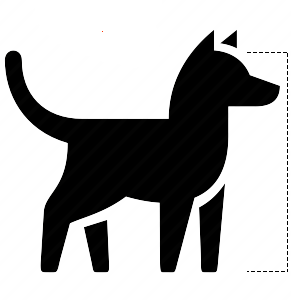
11 inches (28 sm)Male: 13 inches (33 sm) , Female: 10 inches (25 sm)
6 Months
8 lbs ( m 8 lbs, f 8 lbs )
8 inches ( m 8 inches, f 8 inches )
12 Months
11 lbs ( m 11 lbs, f 11 lbs )
9 inches ( m 9 inches, f 9 inches )
18 Months
12 lbs ( m 12 lbs, f 12 lbs )
11 inches ( m 11 inches, f 11 inches )
Eye Colors
Hazel

Brown
Nose Colors
Black
Coat Colors
White
Fawn
Cream
Gray
Black