Pugland
Pugland Terrier
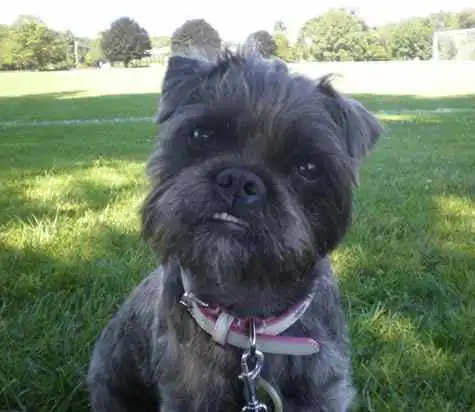
The Pugland is an enchanting mix created by breeding a Pug with a West Highland White Terrier. Both parent breeds are small, which means Puglands typically maintain a compact size, usually reaching a height of no more than 12 inches and weighing around 15 pounds on average. This breed is particularly well-suited for families, as they tend to get along harmoniously with other pets. While they enjoy being around children, it’s crucial to supervise their interactions with very young ones, as they might react defensively if they feel teased or overly handled. Puglands are eager learners and respond positively to training; however, their occasional stubbornness makes the use of positive reinforcement techniques vital for successful teaching.
Breed Origin
The Pugland is a relatively recent breed that doesn't have an extensive history of its own, which makes it more enlightening to delve into the histories of its parent breeds: the Pug and the West Highland White Terrier. The Pug's lineage can be traced back to China around 200 B.C. during the Han Dynasty, where it was created from a blend of the French Mastiff, Bulldog, and Pekingese. This breed was highly valued and closely associated with royalty, exclusively owned by Chinese emperors who even had soldiers assigned to guard them. In the 15th century, Dutch sailors brought the Pug to Europe, where it earned the nickname Mopshond and quickly became popular among various royal families. As it spread across the globe, it adopted different names, such as Caganlino in Italy, Doguillo in Spain, Carlin in France, and Mops in Germany. By the 1800s, two prominent breeding lines had developed: one linked to Queen Charlotte and the other to Lord and Lady Willoughby de Eresby from Russia and Hungary. The Pug's popularity surged during the Victorian Era, appearing in art, sculptures, and postcards, and by 1885, it was officially recognized by the American Kennel Club, ranking as the 32nd most popular dog breed in the United States. On the other hand, the West Highland White Terrier has its roots in Scotland, emerging in the 1800s from the Cairn, Dandie Dinmont, Skye, and Scottish Terriers. These dogs were primarily bred for hunting badgers, foxes, and other vermin. Initially, they came in various colors, but after a tragic incident in which Colonel Malcolm of Poltalloch accidentally shot his beloved dog, mistaking it for a fox, he decreed that only white dogs should be bred. The breed made its debut in America in 1905 and received recognition from the American Kennel Club three years later, currently holding the 41st position in popularity among dog breeds in the United States.
Breed Appearance
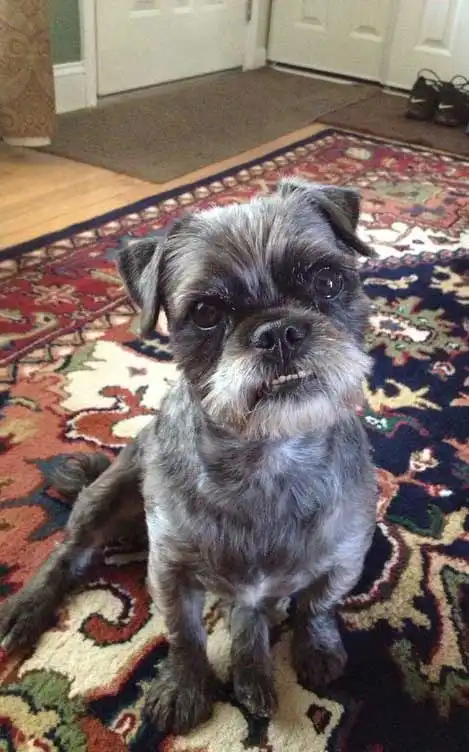
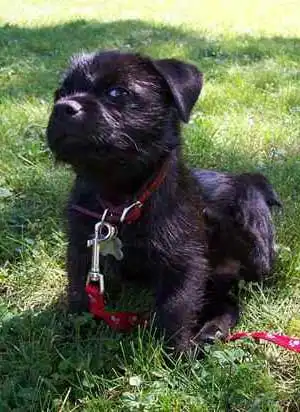
The Pugland is a small dog known for its short legs and compact body, paired with a medium-length, straight tail. Its coat ranges from medium to long, is straight, and has a moderate density, featuring a soft and fluffy undercoat. While Puglands come in various colors, they are most commonly seen in white, black, or brown. Some individuals may have a lighter beard and a chest patch, although these features are not present in every dog. This breed is characterized by a small, rounded head with floppy, triangular ears that are often furry. Their large, dark brown eyes exude curiosity, complemented by a small, black nose.

Care Routine
To keep your Pugland looking its best, regular grooming is essential, ideally using a pin brush or a stiff bristle brush, along with a metal comb, at least four to five times a week. Pay special attention to brushing areas like the belly, tail, underarms, and the region beneath the neck and ears. It's also crucial to clean your dog's ears once or twice a month, which is a perfect opportunity to trim their toenails as well. Bathing should be reserved for when it's truly necessary, and it's advisable to use a medicated shampoo recommended by your veterinarian, given that this breed often has sensitive skin.
Behavior & Temperament
Though Pugs are small in size, they exude an impressive confidence that can rival that of larger dog breeds. These dogs are deeply loyal and protective of their families, always prepared to defend against any threats they sense. While they generally prefer to avoid confrontation, they will not hesitate to stand firm when their loved ones are in danger. Pugs are sociable and enjoy interacting with other dogs, but it's wise to exercise caution around smaller animals such as kittens, rabbits, or guinea pigs. Training a Pug is usually a straightforward process, but it demands patience and consistency due to their stubborn nature, which can lead them to test boundaries.


Play & Exercise
The Pugland needs about 45 to 60 minutes of energetic exercise daily to stay healthy. A lack of physical activity can result in behavioral issues or negative habits, like excessive barking or destructive chewing. Fun activities for a Pugland can include walking, socializing with other dogs at the park, agility training, flyball, playing fetch, swimming, or even chasing squirrels and rabbits in the yard or park. However, it’s crucial to keep your Pugland on a leash when outside a secure, fenced area.
Things to Know
Cups Per Day
1.5 Cups
Daily Activity
45 Minutes
Average Lifespan
14 Years
Origin
2000s
Type
Crossbreeds
Size
Small
Origin Country
United States
Brush Frequency
Daily
Coat Texture
Straight
Register
Your kids have been begging for a pet forever, and you've recently decided that it's time for your family to get a new addition -- a dog! While everyone is excited for the new arrival, you're wondering if you need to have a dog license. How much does it cost? Is it required? Where do you get one?
Member Clubs

PETINNATE
Other
Height & Weight
Weight
16 lbs (7 kg)Male: 18 lbs (8 kg) , Female: 15 lbs (7 kg)
Height
11 inches (28 sm)Male: 11 inches (28 sm) , Female: 10 inches (25 sm)
6 Months
4 lbs ( m 4 lbs, f 4 lbs )
7 inches ( m 7 inches, f 7 inches )
12 Months
9 lbs ( m 9 lbs, f 9 lbs )
8 inches ( m 8 inches, f 8 inches )
18 Months
14 lbs ( m 14 lbs, f 14 lbs )
9 inches ( m 9 inches, f 9 inches )
Eye Colors
Brown

Nose Colors
Black
Coat Colors
Black
Brown
Fawn
White