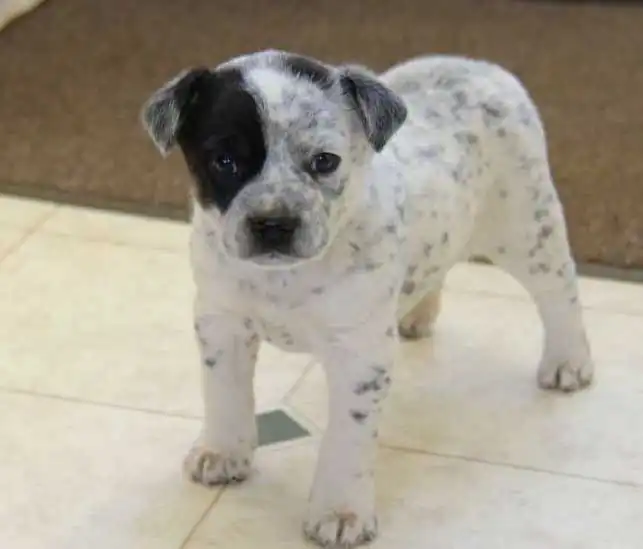
Pugmatian
The Pugmatian is an endearing mixed breed that merges the characteristics of a Dalmatian and a Pug. Typically, these dogs stand about 15 inches tall and weigh around 25 pounds when fully matured. Renowned for their friendly and intelligent demeanor, Pugmatians can make excellent family pets, particularly if they are properly socialized during their formative years. While they generally get along well with children, it’s crucial to supervise interactions with young kids, as they may become anxious or scared, which could lead to biting. With their charming looks, Pugmatians come in various colors and feature a short coat that requires minimal maintenance.

Breed Origin
The Pugmatian is a relatively rare breed, which highlights the importance of delving into the histories of its parent breeds: the Dalmatian and the Pug. The Dalmatian's lineage can be traced back to the 16th century, where it is believed to have originated from a cross between a Pointer and a Great Dane, although detailed records of its ancestry are limited. In 1771, a man named Thomas Pennant, hailing from Dalmatia in the Mediterranean, is credited with naming these dogs after the region. Artistic depictions of Dalmatians date back to the 16th century, and there are also references from a Croatian church in the 1700s that mention them as Canis Dalmaticus. Some accounts suggest that these unique spotted dogs were featured in artworks across Europe, Asia, and Egypt long before, often illustrated running alongside carriages and horses. Dalmatians are celebrated for their loyalty, intelligence, and stamina; they were originally known as coach dogs but also excelled as hunters of rats and other vermin. They make excellent companions, provided they receive sufficient exercise. Additionally, Dalmatians earned the moniker "firehouse dogs" due to their ability to run ahead of fire engines, clearing the way for horses and firefighters. The breed was officially recognized by the American Kennel Club in 1888, and its popularity soared after the release of the animated film “101 Dalmatians” in 1961. Conversely, the Pug has its origins in China, dating back to around 200 B.C. during the Han Dynasty. These small dogs were esteemed as symbols of royalty and were even assigned guards to prevent theft. Over time, they have been known by various names, such as Mopshond, Carlin, Doguillo, and Mops. The breed arrived in England in 1861 following the British takeover of the Palace, quickly becoming a fashionable element in Victorian culture. The American Kennel Club recognized the Pug in 1885, and it currently holds the position of the 32nd most popular dog breed in the United States.
Breed Appearance
The Pugmatian is a small to medium-sized dog known for its distinctive features, including widely spaced brown eyes and a short, broad muzzle topped with either a brown or black nose, which gives it a curious expression. Celebrated for their humorous facial expressions, Pugmatians often display traits that reflect their Pug ancestry, sometimes appearing almost human in their behavior. Generally, a Pugmatian tends to inherit more characteristics from Pugs than from Dalmatians. Their coats are typically solid colors, which can include black, fawn, silver, merle, sable, or brindle, and they may also have spots reminiscent of a Dalmatian. Furthermore, they have floppy, triangular ears, a compact, round head, and most feature a dark mask similar to that of a Pug.


Care Routine
The Pugmatian features a short, fine coat that is easy to care for, requiring only a weekly brushing with a slicker brush to keep their skin and fur in good condition. However, during the spring and fall seasons, you may need to brush them more often to control shedding. It's also essential to clean their ears thoroughly about once a week and trim their toenails monthly or as needed. While you can bathe your Pugmatian when they get especially dirty, it's crucial to avoid doing this too often, as frequent baths can cause dry skin. After a bath, make sure to dry them completely to prevent irritation from their loose skin folds.
Behavior & Temperament
The Dalmatian is celebrated for its bravery and friendly disposition, whereas the Pug is adored for its loving nature as a companion. Together, these breeds form a charming and affectionate duo. They possess intelligence and a willingness to learn new tricks, relishing the time spent with their human families. However, they can sometimes be headstrong, which may require gentle reminders of your authority. It’s crucial to use positive reinforcement methods, as any form of physical discipline or shouting could result in anxiety or aggressive tendencies. Furthermore, these dogs are prone to separation anxiety, making it vital to provide them with plenty of physical activity and mental stimulation while they are with you.


Play & Exercise
The Pugmatian needs a substantial amount of exercise each day, ideally between 45 minutes to an hour. Given their compact size, they can often get their exercise indoors when the weather isn't favorable. Nevertheless, it's important for them to go outside a few times daily for fresh air and bathroom needs. Taking daily walks is a fantastic way for both you and your Pugmatian to remain active, and trips to a dog park can provide valuable opportunities for social interaction with other dogs. Furthermore, your dog may enjoy playing fetch, participating in frisbee activities, or engaging in agility training, where they typically thrive.
Things to Know
Cups Per Day
1.5 Cups
Daily Activity
45 Minutes
Average Lifespan
14 Years
Origin
2000s
Type
Crossbreeds
Size
Medium
Origin Country
United States
Brush Frequency
Weekly
Coat Texture
Straight
Register
Your kids have been begging for a pet forever, and you've recently decided that it's time for your family to get a new addition -- a dog! While everyone is excited for the new arrival, you're wondering if you need to have a dog license. How much does it cost? Is it required? Where do you get one?
Member Clubs

PETINNATE
Other
Height & Weight
Weight
25 lbs (11 kg)Male: 28 lbs (13 kg) , Female: 23 lbs (10 kg)
Height
15 inches (38 sm)Male: 16 inches (41 sm) , Female: 14 inches (36 sm)
6 Months
12 lbs ( m 12 lbs, f 12 lbs )
11 inches ( m 11 inches, f 11 inches )
12 Months
17 lbs ( m 17 lbs, f 17 lbs )
12 inches ( m 12 inches, f 12 inches )
18 Months
22 lbs ( m 22 lbs, f 22 lbs )
13 inches ( m 13 inches, f 13 inches )
Eye Colors
Brown
Nose Colors
Black
Brown
Coat Colors
Black

Gray

Brown

Fawn

Silver
White
Pied

Sable

Brindle