Pugshire
Pugshire Terrier
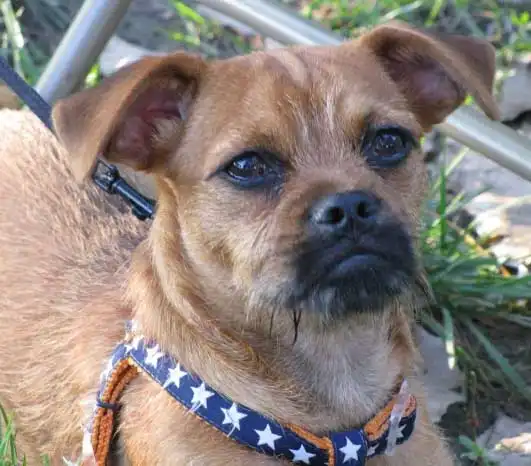
The Pugshire is a compact hybrid breed that emerges from the combination of a Pug and a Yorkshire Terrier. Given that both parent breeds fall under the toy category, Pugshires usually weigh up to 12 pounds and reach a height of no more than 15 inches. Their fur is of medium length and can be found in an array of colors, such as brown, red, black, blue, silver, merle, white, brindle, pied, or various combinations of these hues. Renowned for their loving and gentle disposition, Pugshires are ideal lap dogs and devoted companions for both individuals and families. They typically coexist harmoniously with other pets and children, though it is wise to supervise their interactions with young ones to ensure safety for all involved.
Breed Origin
The Pugshire is a relatively new hybrid dog that has emerged in the last 15 years, yet it does not have a rich historical narrative of its own. To gain a deeper understanding of this breed, it is important to delve into the histories of its parent breeds: the Pug and the Yorkshire Terrier. The Pug is one of the oldest dog breeds, with its roots tracing back to 206 B.C. in China. It is thought to have evolved from a combination of the French Mastiff, Bulldog, and Pekingese. Originally, Pugs were cherished by royalty, who even assigned soldiers to guard them against theft. Over time, they have been known by various names, such as the Mop in Germany, Carlin in France, Caganlino in Italy, Doguillo in Spain, and Mopshond in Europe. Their appeal eventually transcended royal households, leading to their introduction in England during the 1800s, where two main breeding lines developed: the Morrison line and one from Russia. During the Victorian Era, Pugs became cultural icons, frequently depicted in art, including paintings, figurines, and postcards, which further enhanced their popularity. After the Civil War, Pugs arrived in America, receiving official recognition from the American Kennel Club in 1885. Conversely, the Yorkshire Terrier was developed in England in the 1800s from a mix of various Terriers and the Maltese, initially bred for rat-catching. Their distinctive coats and delightful personalities quickly won the hearts of women, establishing them as cherished companion animals. The breed's name reflects its geographic origins and its diverse Terrier ancestry, which includes the Paisley or Clydesdale Terrier, Black and Tan Toy Terrier, Skye Terrier, and possibly the Waterside Terrier. The first Yorkshire Terrier club was founded in England in 1872, followed by a British version in 1874. By 1885, the breed was recognized by the American Kennel Club, where it currently holds the title of the ninth most popular dog breed.
Breed Appearance
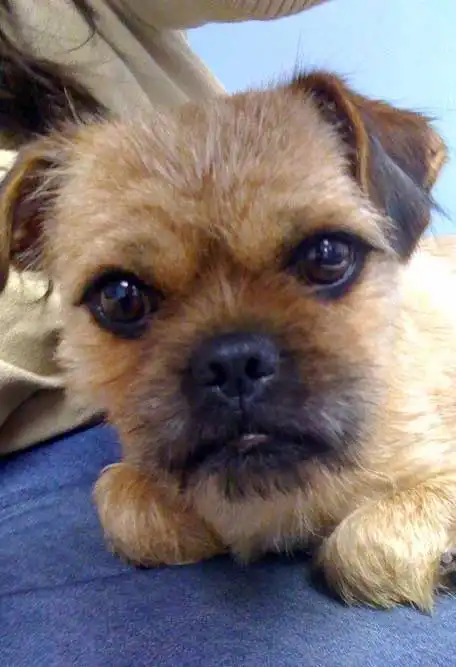
The Pugshire is a small hybrid breed, generally measuring between 12 and 15 inches in height at the shoulders and weighing around 7 to 12 pounds. Its coat is longer than that of a Pug but shorter than that of a Yorkshire Terrier, available in various colors. This breed is characterized by its small, furry ears that droop forward and a tail that curls over its back. The Pugshire has a delicate head, striking dark brown eyes, and a nose that can be either black or brown. It may also display a brachycephalic muzzle, reminiscent of the Pug. Typically, it features a dark mask contrasted with a lighter body, although this is not a definitive characteristic.


Care Routine
To keep the Pugshire's coat in good condition, it's important to brush them every three to four days with either a pin brush or a stiff bristle brush. In addition, a comprehensive grooming session using a metal comb should take place weekly, focusing on key areas like under the neck, behind the ears, and beneath the legs. When necessary, bathe your dog with a mild dog shampoo, but do so infrequently to prevent skin dryness and irritation. Additionally, remember to trim their toenails and clean their ears on a monthly basis. To help prevent tooth decay, brushing their teeth once a week is also essential.
Behavior & Temperament
The Pugshire is a sociable dog breed that thrives on interaction with both humans and other animals, generally forming positive relationships with everyone, as long as they are properly socialized during their formative years. However, caution is advised when they are around young children, as they might become defensive if they feel threatened. Training a Pugshire demands a considerable amount of time and patience, particularly due to their tendency to be stubborn, especially in the process of housebreaking. It is crucial to use positive reinforcement methods instead of punitive measures, as harsh training can result in behavioral issues such as aggression or anxiety. Furthermore, while Pugshires can suffer from separation anxiety, they can adapt to being alone for brief periods if they receive adequate physical and mental stimulation while you are home.


Play & Exercise
The Pugshire is a lively breed that flourishes with plenty of running, jumping, and playtime, necessitating a minimum of one hour of outdoor exercise daily. Without adequate physical activity, they may become bored or anxious, which can lead to negative behaviors like aggression or excessive barking. This breed enjoys a variety of activities, including fetch, agility training, swimming, long walks, and socializing with other dogs at the park. Although their compact size permits indoor exercise during bad weather, it is best for them to have outdoor time at least once or twice a day.
Things to Know
Cups Per Day
1.0 Cups
Daily Activity
60 Minutes
Average Lifespan
14 Years
Origin
2000s
Type
Crossbreeds
Size
Small
Origin Country
United States
Brush Frequency
Daily
Coat Texture
Straight
Register
Your kids have been begging for a pet forever, and you've recently decided that it's time for your family to get a new addition -- a dog! While everyone is excited for the new arrival, you're wondering if you need to have a dog license. How much does it cost? Is it required? Where do you get one?
Member Clubs

PETINNATE
Other
Height & Weight
Weight
10 lbs (5 kg)Male: 11 lbs (5 kg) , Female: 9 lbs (4 kg)
Height
14 inches (36 sm)Male: 14 inches (36 sm) , Female: 13 inches (33 sm)
6 Months
5 lbs ( m 5 lbs, f 5 lbs )
9 inches ( m 9 inches, f 9 inches )
12 Months
7 lbs ( m 7 lbs, f 7 lbs )
11 inches ( m 11 inches, f 11 inches )
18 Months
8 lbs ( m 8 lbs, f 8 lbs )
13 inches ( m 13 inches, f 13 inches )
Eye Colors
Brown

Nose Colors
Black
Brown
Coat Colors
Brindle
Pied
Silver

Blue
Fawn
Red
Brown
Black