Pyrenees Pit
Pitenees
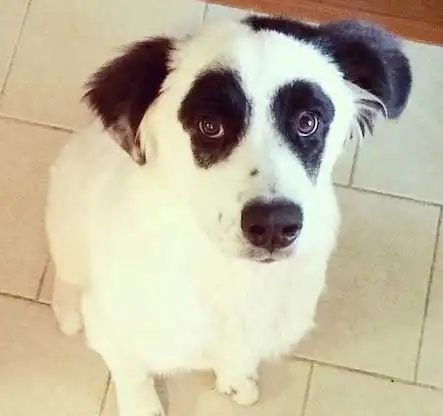
The Pyrenees Pit is a large designer dog breed, purposefully created by mixing two loyal and sturdy breeds renowned for their exceptional guarding abilities: the American Pit Bull Terrier and the Great Pyrenees. This hybrid is celebrated for its devotion and protective instincts, yet it may also display a certain level of independence and a strong-willed character, which can pose challenges during training. While this breed is quite athletic, it generally requires only about an hour of moderate to vigorous exercise daily to stay healthy and happy. Even those that inherit the thick, double-layered coat characteristic of the Great Pyrenees typically need grooming just a few times a week.
Breed Origin
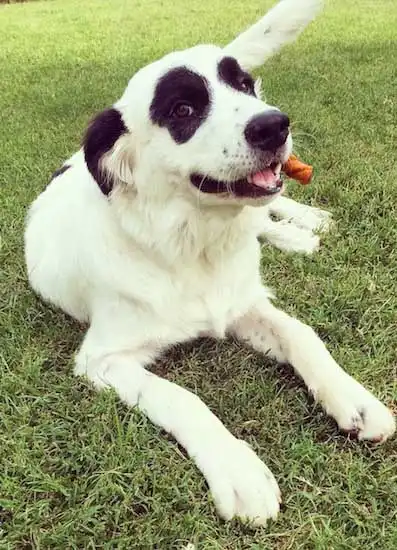
The Pyrenees Pit, commonly known as the Pitenees, is a newer designer dog breed that results from the intentional crossbreeding of the American Pit Bull Terrier and the Great Pyrenees. The American Pit Bull Terrier is celebrated for its loyalty, strong build, and protective instincts, while the Great Pyrenees is admired for its independent nature and vigilant guarding skills. This ancient breed has a somewhat mysterious past, with its exact origins still unclear. However, it is well-established that these large, white dogs have been aiding shepherds in the Pyrenees mountains for thousands of years, safeguarding sheep from predators such as bears, wolves, and lynx that once inhabited the area. As these larger threats diminished, the Great Pyrenees adapted to become guardians of property and even served as jailer’s dogs, earning the distinction of the Royal Dog of France from Dauphin Louis XIV in the 1600s. In contemporary times, while many Great Pyrenees enjoy the role of family pets, a considerable number continue to fulfill their duties as protectors of both people and property. With the resurgence of larger predators in the Pyrenees, the need for these loyal guardians is once again increasing in their native habitat. Notably, the American Pit Bull Terrier is not officially recognized as a separate breed by the American Kennel Club, although it does have acknowledgment from the United Kennel Club in England. The American Staffordshire Terrier, which is recognized by the AKC, bears a close resemblance to the American Pit Bull Terrier, resulting in some dogs being classified as American Pit Bulls in England and as American Staffordshires in the U.S. The breed standard for the Pit Bull accommodates a wider variety of sizes and colors compared to the Staffordshire. This particular hybrid remains relatively rare and is not listed with most designer dog registries in the United States, being eligible for registration only with the Dog Registry of America.
Breed Appearance
This hybrid breed typically exhibits a large size, being slightly longer than it is tall, although Pyrenees Pit dogs are often notably smaller than their Great Pyrenees ancestors. They are built with a muscular physique and a robust bone structure, marked by broad heads and deep, wide muzzles. Dogs that lean more towards Pit Bull characteristics usually display a stockier build, shorter muzzles, and wider heads compared to those that take after the Pyrenees. Their eyes are generally dark brown and can be either round or almond-shaped. The ears are short and somewhat triangular, with variations in how they are positioned; they may be held low and close to the head like the Great Pyrenees or raised high in a rose or half-prick style reminiscent of the American Pit Bull. The coat of a Pyrenees Pit can vary widely among individuals, reflecting the differing fur types of its parent breeds. Some may inherit the short, single-layer coat typical of the American Pit Bull, while others could have the thick, double-layer coat designed for colder weather, featuring a soft undercoat topped with long, coarse outer hair.

Care Routine
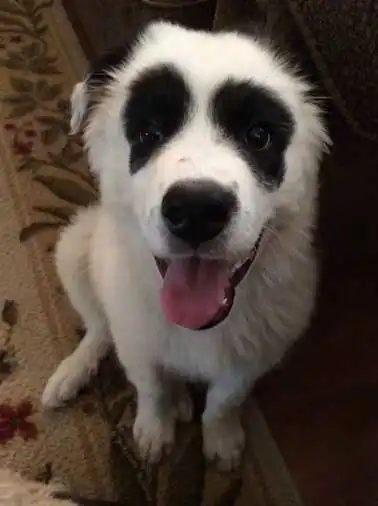
The Pyrenees Pit has minimal bathing requirements due to the natural shedding characteristics of both the Pit Bull and Great Pyrenees breeds, which help keep their coats clean. Grooming needs will vary depending on the type of coat the dog inherits. If the dog has the double coat commonly found in Great Pyrenees, daily brushing should be avoided, as it may lead to hair breakage. Instead, it is advisable to comb and brush the coat every two to three days to prevent tangles and mats while effectively removing dead hair. For those with the short, single-layer coat typical of the Pit Bull, a weekly grooming session using a slicker brush or grooming glove is generally adequate to ensure a healthy and shiny coat.
Behavior & Temperament
This hybrid breed is widely recognized for its loving disposition and steadfast loyalty to its family or caregivers. However, it may show a more reserved or cautious attitude towards unfamiliar people, which means it requires extra socialization to feel comfortable in different settings. While these dogs typically get along well with children in their home, they can exhibit a natural protectiveness, sometimes becoming overly enthusiastic in defending them from perceived threats. Therefore, it is vital to supervise all interactions between these powerful dogs and children or other pets, especially if the child or animal is new to the dog. Both parent breeds of the Pyrenees Pit possess strong-willed traits and the ability to think independently. While these characteristics are beneficial for tasks such as guarding sheep from large predators, as the Pyrenees do, or herding bulls to market, as the ancestors of the Pit Bull were bred for, they can make obedience training more challenging. To achieve the best results, it is crucial to start training early, focusing on consistency and positive reinforcement.


Play & Exercise
Despite their considerable size and muscular build, these dogs do not require as much exercise as many other athletic breeds. Generally, around an hour of moderate to vigorous activity each day is adequate to maintain the health and fitness of this hybrid. It is advisable to refrain from exercising your dog during the hottest parts of the day, particularly in warm weather, since those with short, light-colored coats may be more susceptible to sunburn and skin cancer, while those with thicker, double coats might be at a greater risk of overheating. Additionally, the Pyrenees Pit needs more space than what most apartments can provide and flourishes best in a larger home where they have ample room to move freely.
Things to Know
Cups Per Day
3.0 Cups
Daily Activity
60 Minutes
Average Lifespan
12 Years
Origin
Unknown
Type
Crossbreeds
Size
Large
Origin Country
Unknown
Brush Frequency
Weekly
Coat Texture
Straight
Register
Your kids have been begging for a pet forever, and you've recently decided that it's time for your family to get a new addition -- a dog! While everyone is excited for the new arrival, you're wondering if you need to have a dog license. How much does it cost? Is it required? Where do you get one?
Member Clubs
PETINNATE
Other
Height & Weight
Weight
78 lbs (35 kg)Male: 83 lbs (38 kg) , Female: 73 lbs (33 kg)
Height
24 inches (61 sm)Male: 25 inches (64 sm) , Female: 23 inches (58 sm)
6 Months
52 lbs ( m 52 lbs, f 52 lbs )
19 inches ( m 19 inches, f 19 inches )
12 Months
62 lbs ( m 62 lbs, f 62 lbs )
22 inches ( m 22 inches, f 22 inches )
18 Months
72 lbs ( m 72 lbs, f 72 lbs )
23 inches ( m 23 inches, f 23 inches )
Eye Colors
Brown

Nose Colors
Blue
Black
Brown
Isabella
Coat Colors
White
Black
Gray
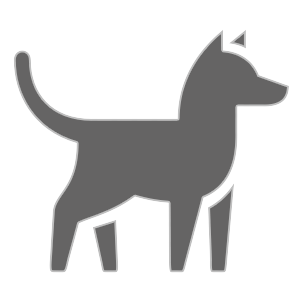
Brown
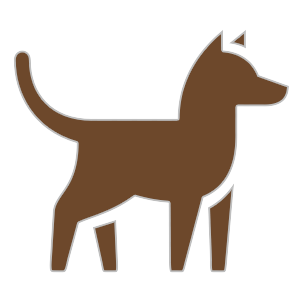
Red
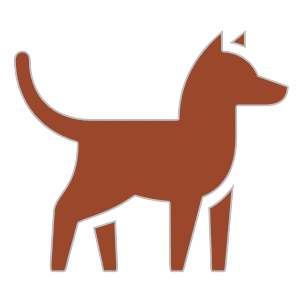
Cream
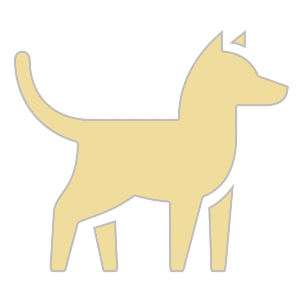
Isabella
Fawn
Silver
Pied
Sable
Brindle