Rattle
Roodle, Ratdoodle, Radle Terrier or Ratpoo
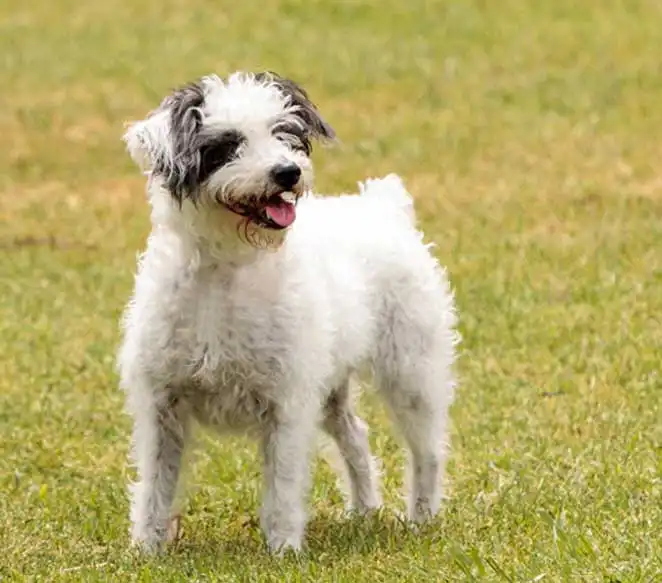
The Rattle is a charming blend of the energetic American Rat Terrier and the insightful Poodle. This medium-sized breed generally weighs between 25 and 50 pounds and reaches a height of about 10 to 23 inches, influenced by the traits passed down from its parent breeds. Rattles are celebrated for their intelligence, curiosity, and joyful nature, often excelling in tricks, obedience training, and even as reliable watchdogs. While training a Rattle is usually straightforward, they require ample attention and stimulation. This breed flourishes in a dynamic home setting where they can participate in a variety of activities on a regular basis.
Breed Origin
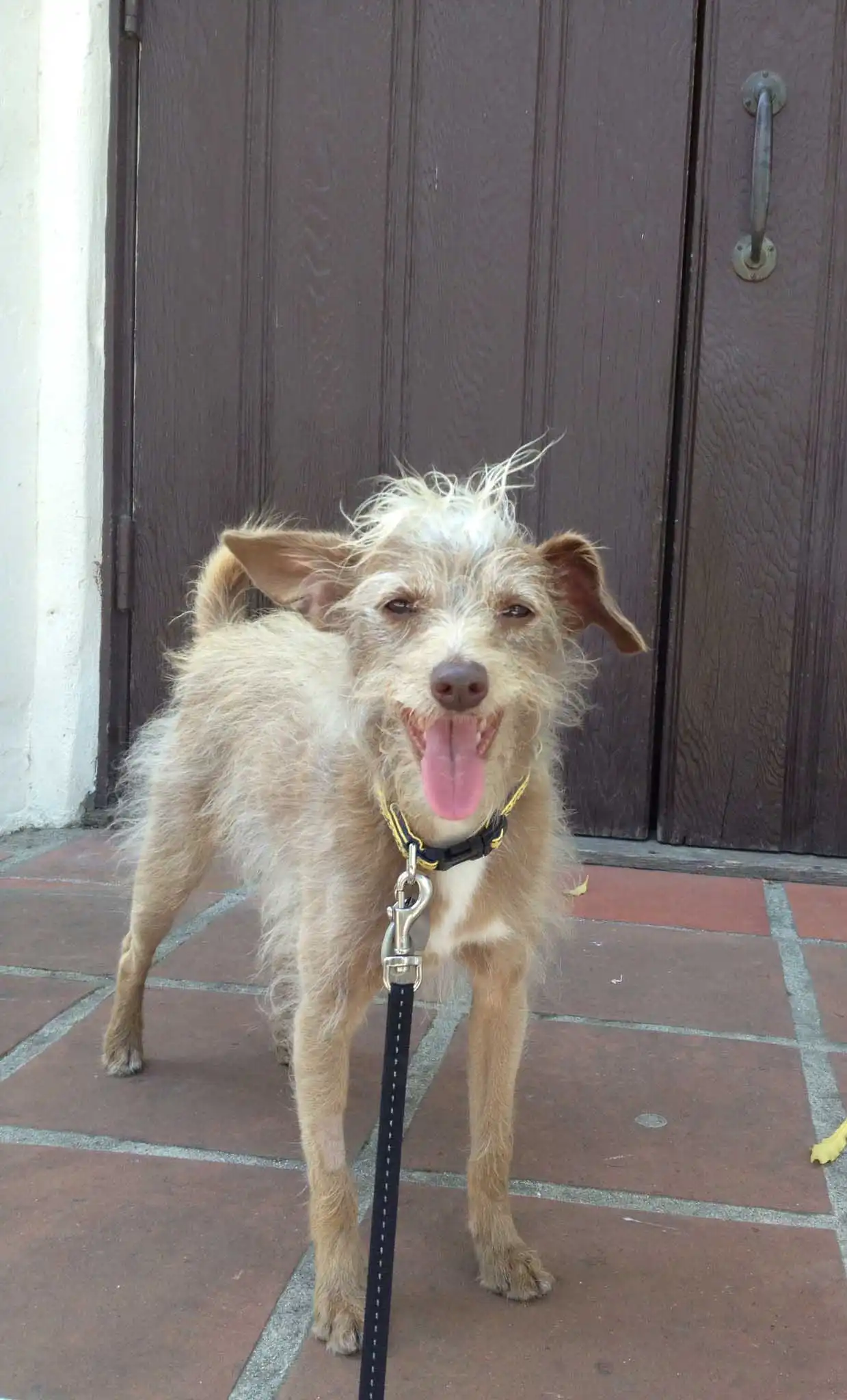
The Rattle is a relatively new hybrid breed, yet its parent breeds have rich and extensive histories. The Rat Terrier, which originated in the 1800s in the United States, was developed by crossing various terriers, including Bull Terriers, English White Terriers, and Manchester Terriers, all of which were prevalent at the time. The breed also incorporated Whippets, Beagles, and Greyhounds, resulting in a small, nimble dog celebrated for its friendly disposition and sharp scenting skills. Over time, the Rat Terrier became a versatile farm dog, skilled in hunting both above and below ground. By the early 1900s, it had established itself as one of the most common working dogs on farms. The breed earned the nickname “Teddy’s Terriers” due to President Theodore Roosevelt’s affection for them during his presidency. Although interest in these dogs declined as the need for farm ratters lessened, their intelligence and amiable nature kept them in the public's consciousness, culminating in their recognition by the American Kennel Club in 2013. In contrast, the Poodle is one of the oldest dog breeds, with its roots tracing back to Germany before it evolved into the breed we know today in France. This breed developed from a combination of various European water dogs, including those from Russia, Spain, Portugal, Germany, Hungary, and France, and it is believed to have links to the North African Barbet. Some theories suggest that the Poodle may have descended from Asian herding dogs, evolving into the German Water Dog as it traveled with the Ostrogoth and German Goth tribes. Others propose that its origins lie in the Asian steppes, possibly arriving in Europe with the Moors in the 8th century. Smaller versions of the Poodle, such as the Toy and Miniature, are thought to have been created in the 1400s through selective breeding of smaller Poodles to cater to the Parisian bourgeoisie. Standard Poodles were employed by the French for duck hunting, while Miniature Poodles were valued for their truffle-finding abilities. The Toy Poodle became a beloved companion among the wealthy. The American Kennel Club recorded its first Poodle in 1888.
Breed Appearance
The Rattle will inherit traits from both of its parent breeds. As is common with mixed breeds, it may display more physical characteristics from either the American Rat Terrier or the Poodle, or it could showcase a blend of features from both. When evaluating the Rattle's size, it's important to note that there are three different types of Poodles, and the specific type in its ancestry will affect the hybrid's ultimate size. Typically, Rattles are anticipated to be strong and sturdy, with a slightly rounded head. Their ears can be triangular, either standing upright or drooping, and they will have a medium-length muzzle. The Rattle's coat can vary depending on the traits inherited from its parents; it may be short and straight like the Rat Terrier's or longer and either wavy or curly, similar to the Poodle's fur.

Care Routine
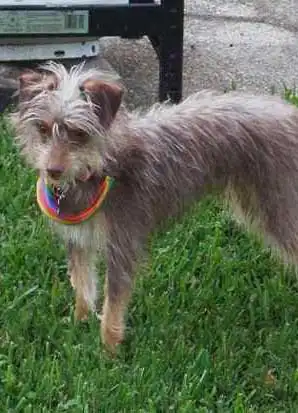
The maintenance of your Rattle's coat will primarily depend on its genetic lineage. If it resembles a Poodle, expect minimal shedding, but be prepared for a higher grooming commitment, including daily brushing to avoid tangles and keep the coat clean from dirt and debris. Periodic trips to a groomer for clipping will also be necessary. Conversely, if your Rattle inherits a coat similar to that of a Rat Terrier, grooming will be less demanding, though you should anticipate increased shedding compared to a Poodle-like coat. Regardless of the coat type, baths should only be administered when absolutely necessary, and nail trimming should be performed as needed. It’s also wise to check and clean his ears weekly to prevent infections. As with all dogs, regular tooth brushing several times a week is crucial for ensuring long-term dental health.
Behavior & Temperament
The Rattle, a hybrid of the Rat Terrier and Poodle, displays a diverse array of behavioral traits inherited from its parent breeds. Each Rattle may present a distinct blend of these traits. Typically, Rattles are recognized for their playful demeanor and lively personalities. This mix is generally intelligent, alert, and quite expressive. Your Rattle is likely to form a strong bond with its human family, showing enthusiasm for play and cherishing quality time together. These dogs possess high energy levels and flourish when they receive attention and affection. To avoid boredom, which can result in destructive behaviors, it’s crucial to provide your Rattle with both mental and physical stimulation. Additionally, their natural curiosity drives them to want to be involved in the activities taking place around the home.


Play & Exercise
The Rattle is a lively breed that flourishes with plenty of activity. Although a fenced yard can be advantageous, it is not a necessity as long as your dog has consistent opportunities for outdoor play and exercise. This breed enjoys running, chasing, and walking, making visits to the dog park an excellent choice. Given their instinctual tendency to chase, it’s crucial to keep Rattles leashed when they are not in a safe environment. In addition to physical activity, Rattles require mental stimulation, which can be achieved through a variety of toys, training exercises, and engaging activities.
Things to Know
Cups Per Day
2.0 Cups
Daily Activity
45 Minutes
Average Lifespan
15 Years
Origin
Unknown
Type
Crossbreeds
Size
Medium
Origin Country
Unknown
Brush Frequency
Daily
Coat Texture
Wavy
Register
Your kids have been begging for a pet forever, and you've recently decided that it's time for your family to get a new addition -- a dog! While everyone is excited for the new arrival, you're wondering if you need to have a dog license. How much does it cost? Is it required? Where do you get one?
Member Clubs

PETINNATE
Other
Height & Weight
Weight
38 lbs (17 kg)Male: 38 lbs (17 kg) , Female: 38 lbs (17 kg)
Height
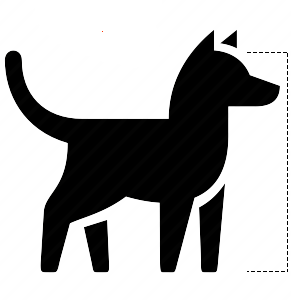
17 inches (43 sm)Male: 17 inches (43 sm) , Female: 17 inches (43 sm)
6 Months
18 lbs ( m 18 lbs, f 18 lbs )
8 inches ( m 8 inches, f 8 inches )
12 Months
34 lbs ( m 34 lbs, f 34 lbs )
15 inches ( m 15 inches, f 15 inches )
18 Months
37 lbs ( m 37 lbs, f 37 lbs )
16 inches ( m 16 inches, f 16 inches )
Eye Colors
Brown

Amber
Nose Colors
Black
Brown
Coat Colors
Gray
White
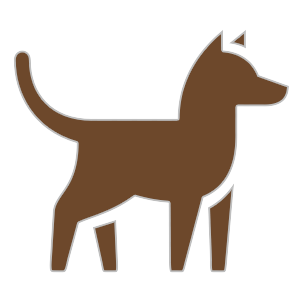
Brown
Cream
Silver

Black