Rottbull
Pitweiler
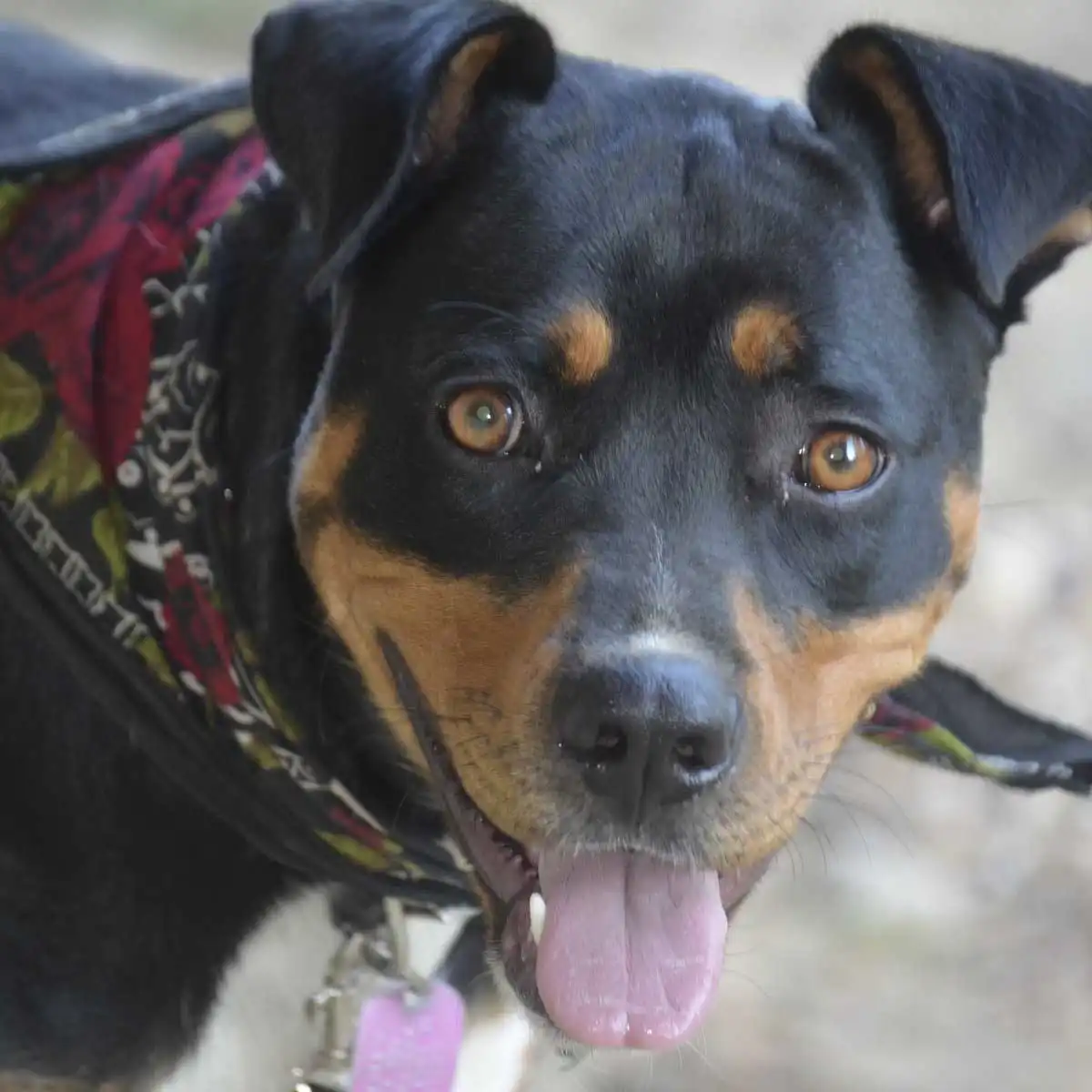
The Rottbull is a hybrid dog breed that results from crossing a Rottweiler with a Bull Terrier. Often mistakenly viewed as aggressive, this large dog actually embodies determination and resilience. He is affectionate and gentle with his family, yet remains alert and watchful around strangers. As a capable watchdog, the Rottbull boasts significant strength, making him an imposing figure for any would-be intruders. Furthermore, he is quite intelligent. With proper socialization, the Rottbull can live harmoniously with other dogs, but he is generally not suitable for homes with cats, even with socialization efforts. This breed is not recommended for novice dog owners; it is better suited for those who have experience with strong-willed dogs. While he flourishes in a secure yard, he can also adapt to a spacious apartment, provided he gets enough exercise.
Breed Origin
The Rottbull is a relatively rare hybrid dog, and its origins remain somewhat obscure. To better understand its background, we can look into the histories of its parent breeds. The Rottweiler, which originates from Germany, is thought to be a descendant of the Molossus, a type of Mastiff that served as a war dog for the Roman Army. This robust breed was not only used for herding cattle but also assisted butchers in transporting carts filled with meat. At one point, the Rottweiler was on the brink of extinction, but the formation of the Rottweiler and Leonberger Club in 1901 reignited interest in the breed. Rottweilers have been employed as police dogs in both Germany and the United States, with the first Rottweiler arriving in America after World War II. By the mid-1990s, the breed had reached its peak popularity in the U.S., but subsequent negative media coverage led to a decrease in demand. In a similar vein, the American Pit Bull has its roots in Europe, stemming from bull and terrier breeds that were initially bred for bull and bear baiting. After these activities were banned, dog fighting became widespread, which contributed to the breed's aggressive reputation. Although bred for determination, Pit Bulls were also selectively developed to minimize the risk of biting humans. Immigrant families introduced the breed to America, where it became a common farm dog and continues to thrive as a wild boar hunter today. The American Kennel Club began recognizing the breed in the early 1930s, although it is officially categorized as the American Staffordshire Terrier within the organization.
Breed Appearance
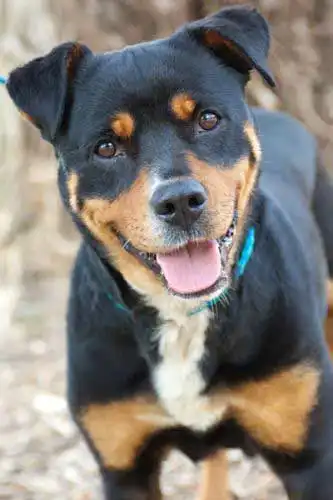
The Rottbull is a strong and large breed, known for its athletic yet sturdy physique. It features a broad head with alert, upright ears. The muzzle is moderately long and is paired with a robust jaw. The coat can vary widely, reflecting the dominant breed in its ancestry. It may display the traditional black and tan of the Rottweiler or come in various shades such as fawn, black, red, gray, blue, or cream, inherited from its Pitbull lineage. Brindle patterns are also a possibility. The tail is long and gently curved, though some owners choose to dock both the tail and ears. With its large paws and powerful legs, the Rottbull has a deep and broad chest. Typically, its eyes are dark brown, and the nose is black. If it takes after the Rottweiler in color, you can expect a tan chest and distinct tan markings above each eye.


Care Routine
The Rottbull is likely to experience moderate shedding, a trait inherited from its Rottweiler ancestry. Shedding typically intensifies during the spring and fall. Outside of these peak times, a weekly brushing is sufficient, but during shedding seasons, daily brushing is recommended to effectively remove loose fur. Bathing should be limited to instances of genuine necessity, as the natural oils in the coat are essential for preserving its luster and overall health. To prevent tartar accumulation and unpleasant breath, it’s advisable to brush the dog's teeth two to three times a week, with daily brushing being optimal for avoiding dental issues. Nail trimming should be done every two to three weeks, unless the dog naturally wears them down through activity. Establishing a grooming routine early is crucial for a Rottbull, as both the Rottweiler and Pitbull parent breeds can be sensitive to handling, making unfamiliar grooming experiences potentially stressful.
Behavior & Temperament
The Rottbull is frequently viewed as a fierce breed, but in truth, he embodies bravery and determination, serving as a loyal guardian of his home and loved ones. This breed thrives on social interaction and can exhibit boredom and destructive behavior if left alone for long stretches, which may result in separation anxiety. With a high level of intelligence and trainability, he usually adjusts well to housebreaking, as long as a consistent routine is followed. However, he can display stubbornness at times, necessitating some motivation to obey commands. When encountering strangers, he tends to be cautious, carefully assessing them before deciding whether to accept their presence. Even if he becomes comfortable with someone, he is not typically overly sociable. In general, male Rottbulls tend to be more reserved, while females are often more affectionate and easier to handle.


Play & Exercise
The Rottbull needs a moderate amount of physical activity. Typically, two to three short exercise sessions daily will suffice. He enjoys playing outdoors in your yard, but it's crucial to do so in a securely fenced area. This is not because he has a tendency to wander, but rather due to the possibility of him displaying aggression towards other dogs. An underground fence alone will not effectively keep a Rottbull contained on your property. Moreover, if other dogs come into your yard, he is likely to assert his dominance. Therefore, visiting dog parks is not advisable unless he is on a leash. It's essential to recognize that without adequate stimulation, the Rottbull can become sluggish. To keep him active and mentally engaged, offer toys that promote both physical and cognitive activity, which can also help mitigate destructive behaviors. Daily short, brisk walks will contribute to his overall fitness.
Things to Know
Cups Per Day
3.0 Cups
Daily Activity
30 Minutes
Average Lifespan
11 Years
Origin
Unknown
Type
Crossbreeds
Size
Large
Origin Country
Unknown
Brush Frequency
Weekly
Coat Texture
Straight
Register
Your kids have been begging for a pet forever, and you've recently decided that it's time for your family to get a new addition -- a dog! While everyone is excited for the new arrival, you're wondering if you need to have a dog license. How much does it cost? Is it required? Where do you get one?
Member Clubs

PETINNATE
Other
Height & Weight
Weight
60 lbs (27 kg)Male: 73 lbs (33 kg) , Female: 48 lbs (22 kg)
Height
20 inches (51 sm)Male: 22 inches (56 sm) , Female: 19 inches (48 sm)
6 Months
25 lbs ( m 25 lbs, f 25 lbs )
11 inches ( m 11 inches, f 11 inches )
12 Months
35 lbs ( m 35 lbs, f 35 lbs )
14 inches ( m 14 inches, f 14 inches )
18 Months
57 lbs ( m 57 lbs, f 57 lbs )
16 inches ( m 16 inches, f 16 inches )
Nose Colors
Black

Coat Colors
Red
Brown
Blue
Fawn
Black
Brindle