Rotticorso
Rotti Corso
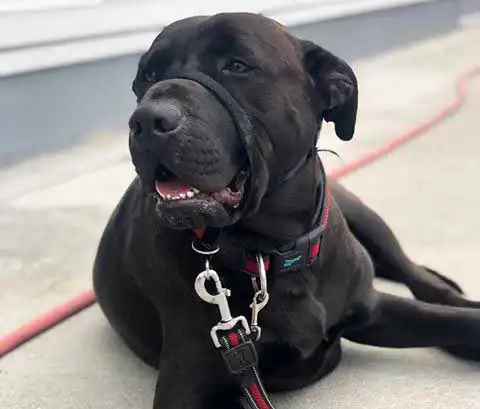
The Rotticorso is a hybrid breed that emerges from the crossbreeding of a Rottweiler and a Cane Corso Italiano, both known for their impressive size and strength. This breed showcases the striking and robust characteristics inherited from its parent breeds. Rotticorsos thrive when engaged in activities; they are not content to simply relax. They excel in various roles, including herding, guarding, and participating in rigorous training exercises. While they have a strong-willed disposition, they are also fiercely loyal and devoted companions. Training a Rotticorso can be a challenge, as they often have a tendency to assert themselves. However, with a patient and balanced training approach that combines firmness with kindness, they will learn to respect you as their leader and be more willing to obey commands. Utilizing positive reinforcement, such as ample praise and affection for good behavior, proves to be much more effective than harsh training techniques, which should be completely avoided. These dogs are generally family-oriented, showing affection and protectiveness towards all members of the household. However, they may exhibit some reserve around friends or extended family. Rotticorsos typically get along well with children, but supervision during their interactions is crucial. Early socialization is vital; exposing them to a variety of people and animals during their puppy stage will help them develop a well-rounded temperament. This breed is not ideal for inexperienced dog owners; they require strong leadership and proper training to reach their full potential. If neglected, Rotticorsos can become aggressive and challenging to manage.
Breed Origin
The Rotticorso is a relatively recent hybrid or designer dog, which means it doesn't have a well-documented ancestry. To grasp its personality traits, we need to look at its parent breeds. The Rottweiler's history traces back to the era when Roman legions crossed the Alps, bringing their dogs to safeguard livestock. These dogs were also utilized for hunting wild boar. By the Middle Ages, they had reached the German town of Rottweil, where they were interbred with local sheepdogs, leading to the creation of the Rottweiler Metzgerhund, or the Rottweil Butcher's Dog. Local butchers depended on these strong dogs to herd and protect their livestock during transport between towns. However, the popularity of the Rottweiler waned in the 19th century due to the ban on cattle driving in Germany. This trend shifted in 1914 when the breed showcased its bravery and usefulness in wartime. The Rottweiler made its way to the United States in the 1930s and gained recognition from the American Kennel Club in 1935. Renowned for their agility, strength, and courageous disposition, Rottweilers have left a significant mark. Conversely, the Cane Corso Italiano is a robust and athletic breed that was originally bred for property protection and hunting large game, including wild boar. This breed has its roots in Mastiff-type dogs that served as war canines for the Romans. As a genuine working dog, the Cane Corso also became an essential helper on farms. The word 'cane' is derived from Latin, meaning dog, from 'canis,' while 'Corso' is an ancient Italian term that means sturdy or strong. Changes in farming practices nearly led to the Cane Corso's extinction, as mechanization reduced the need for working dogs. However, in the 1970s, dedicated enthusiasts began efforts to revive the breed, forming a society in 1983, with official recognition granted in 1996. Michael Sottile was instrumental in this revival, importing the first litter of Cane Corsos to the United States in 1988, followed by another in 1989. The International Cane Corso Association was established in 1993, and the breed received recognition from the American Kennel Club in 2010. Today, the Cane Corso is managed by the Cane Corso Association of America and has earned a respected status among dog breeds, supported by a devoted community of owners.
Breed Appearance
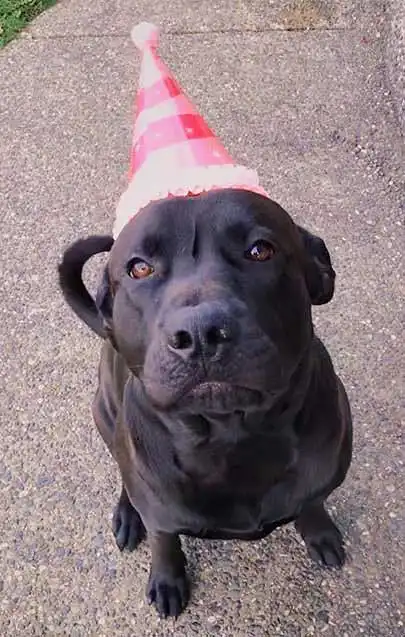
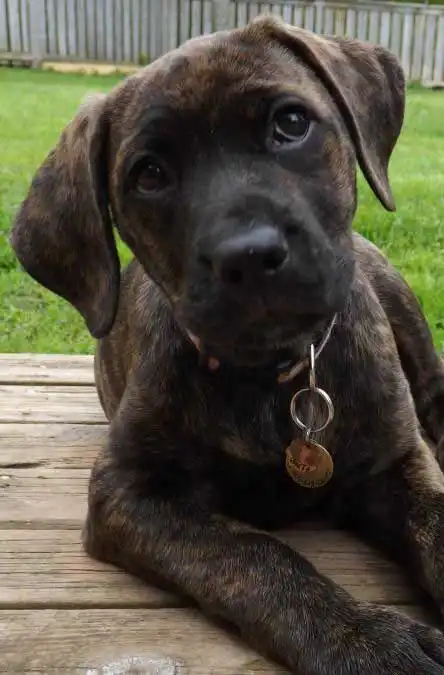
The Rotticorso is known for its strong and powerful build, featuring a body that is slightly longer than it is tall. Its attractive short coat fits closely to the body, accentuating the dog's overall impression of strength and vitality. The legs are both robust and elegant, while the rounded, well-cushioned paws enable quick acceleration from a standstill to a full run. With a deep chest that supports a muscular neck, the Rotticorso commands attention. Its head is blocky, showcasing a strong, narrow muzzle and a scissor bite. The eyes, typically a rich amber or brown, are often highlighted by a black lining, adding to its expressive appearance. The nose is black with wide-set nostrils. Ear shape can vary due to the genetics of the parent breeds, but they generally extend outward from the face in a triangular shape, often drooping at the tips. Overall, the Rotticorso radiates confidence and comfort in its own skin, displaying both intelligence and affection as a companion, while also demonstrating a strong work ethic when required.

Care Routine
Grooming and caring for a Rotticorso is generally quite simple, although they do shed seasonally, which means you'll need to brush them daily rather than the typical weekly schedule. Beyond this, their upkeep is relatively low-maintenance. Daily brushing not only helps manage shedding but also serves as a great opportunity to check for any cuts or scrapes that might require attention. Regular ear inspections for signs of infection and ensuring their eyes are clear of discharge are also crucial. Baths should be reserved for when your Rotticorso is dirty or has rolled in something undesirable, and using a mild dog shampoo will help maintain the health of their skin and retain its natural oils. For dental hygiene, it's important to brush your dog's teeth at least twice a week to keep their mouth healthy and their breath pleasant. Lastly, a light nail trim will round out your Rotticorso's grooming routine, and don’t forget to reward them with a healthy treat for their good behavior.
Behavior & Temperament
Although Rotticorso dogs are quite large, they do not fare well when left alone for long stretches; they tend to become bored and prefer the companionship of their owners and family—essentially their 'pack.' These dogs are known for their loyalty and devotion, fueled by their energetic working dog lineage. They flourish in homes with secure yards where they can roam and establish their territory. Rotticorso dogs often shadow their owners around the house and yard, displaying a natural curiosity about their activities. While they are intelligent, Rotticorso dogs can also be somewhat headstrong, often attempting to take on a leadership role. This trait necessitates a confident owner who can assert authority and gain their respect. A knowledgeable handler can effectively train a Rotticorso by offering praise for positive behavior and rewarding obedience with delicious treats. When training sessions are engaging and involve the owner's full attention, these dogs are enthusiastic learners. As family companions, Rotticorso dogs typically develop strong bonds with their household members but may seem reserved or slightly distant around strangers. Early socialization is vital; introducing your Rotticorso to a variety of people and other dogs during their puppy stage will help cultivate a balanced temperament. It’s crucial to acclimate them to the sounds and activities of a lively environment. Due to their strong hunting instincts, Rotticorso dogs may pursue small animals, including neighborhood cats. To avoid potential issues, it’s important to keep them securely fenced and on a leash during walks. While they may have a formidable appearance and a commanding presence, Rotticorso dogs can also be gentle and affectionate, relishing cuddles and revealing their softer nature.


Play & Exercise
The Rotticorso breed originates from a working background, which means they are not the kind of dogs that prefer to lounge about all day. To help them channel their energy, they require at least one or two walks daily. These dogs are fantastic companions for jogging or cycling, eagerly accompanying you on your training routes. However, it’s crucial to keep them leashed, as their strong hunting instincts might drive them to chase after small, fast-moving animals they see as potential prey. Trying to catch up with your dog to regain control can be quite a challenge! At home, they flourish in a securely fenced yard where they can engage in play and enjoy various toys. The Rotticorso can be a bit reserved around unfamiliar people, including children and other dogs, so it’s vital to supervise their interactions during playtime. Being a large breed, they may unintentionally be rough with small toddlers, making it essential to monitor their play to avoid any mishaps. Additionally, these dogs have a fondness for water and will delight in splashing around in rivers or the ocean to cool off during the summer. By providing ample exercise and mental stimulation, you’ll ensure a calm and loving companion.
Things to Know
Cups Per Day
3.0 Cups
Daily Activity
80 Minutes
Average Lifespan
10 Years
Origin
Unknown
Type
Crossbreeds
Size
Large
Origin Country
United States
Brush Frequency
Weekly
Coat Texture
Straight
Register
Your kids have been begging for a pet forever, and you've recently decided that it's time for your family to get a new addition -- a dog! While everyone is excited for the new arrival, you're wondering if you need to have a dog license. How much does it cost? Is it required? Where do you get one?
Member Clubs
PETINNATE
Other
Height & Weight
Weight
98 lbs (44 kg)Male: 100 lbs (45 kg) , Female: 95 lbs (43 kg)
Height
24 inches (61 sm)Male: 25 inches (64 sm) , Female: 23 inches (58 sm)
6 Months
11 lbs ( m 11 lbs, f 11 lbs )
9 inches ( m 9 inches, f 9 inches )
12 Months
45 lbs ( m 45 lbs, f 45 lbs )
17 inches ( m 17 inches, f 17 inches )
18 Months
95 lbs ( m 95 lbs, f 95 lbs )
22 inches ( m 22 inches, f 22 inches )
Eye Colors
Brown

Amber
Nose Colors
Black
Coat Colors
Black
Brown
Fawn
Brindle
Sable
Red