Rottmatian
Spotty Rottie
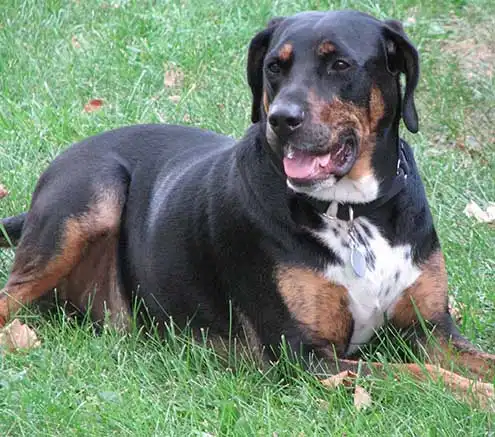
The Rottmatian, an impressive mix of Dalmatian and Rottweiler, excels as both a devoted family pet and a reliable guard dog. Generally classified as medium to large, these dogs typically weigh about 80 pounds and stand around 23 inches tall. Renowned for their loyalty and courage, Rottmatians are instinctive protectors, but they also have a gentle nature that makes them wonderful companions for children. With a short, flat coat that demands little maintenance, their intelligence and eagerness to please simplify the training process.
Breed Origin
The Rottmatian is a relatively recent breed, having developed over the last twenty years. To fully appreciate this distinctive dog, one must delve into the histories of its parent breeds: the Dalmatian and the Rottweiler. The Dalmatian's origins can be traced back to the Dalmatia region of the Mediterranean, which is reflected in its name. It was officially named by Thomas Pennant in 1771 after he encountered the breed. Historical artwork depicting this unique spotted dog has been found in a Croatian church, dating back to the 16th century, although some evidence, such as illustrations in ancient Egyptian tombs, suggests that the breed's history may extend even further. Dalmatians are renowned for their intelligence, sociability, and strong affinity for horses. These characteristics made them ideal partners for fire carriages, where they would run alongside to help direct the horses during emergencies. Known for their loyalty and adaptability, Dalmatians have also thrived in various roles, including hunting, herding, and guarding. Their popularity soared after the release of the beloved children's movie "101 Dalmatians" in 1961, although the American Kennel Club had already recognized the breed in 1888. Today, Dalmatians hold the position of the 62nd most popular dog breed in the United States. In contrast, the Rottweiler boasts a rich history that dates back to the first century. This breed emerged from a mix of German Shepherds, Mastiffs, and Roman Drover dogs, originally serving as cattle drivers and protectors. Rottweilers played a crucial role on farms, helping to pull wagons and herd livestock. Over the years, they have earned a reputation as wonderful family pets due to their affectionate demeanor. The breed is named after the town of Rottweil, famous for its distinctive red-tiled roofs. The breed standard was established in 1901, and the American Kennel Club recognized Rottweilers three decades later.
Breed Appearance
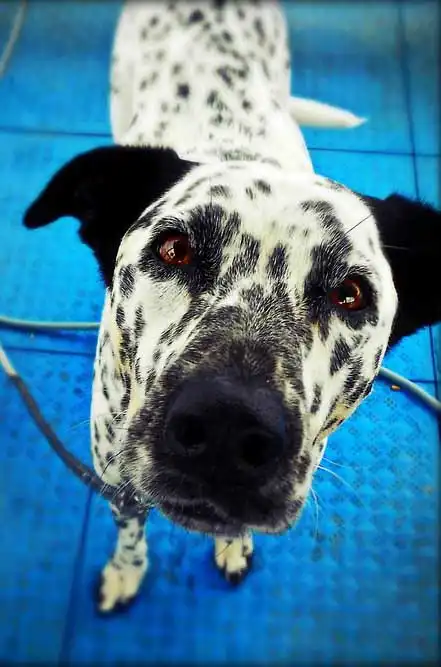
The Rottmatian is a medium to large breed, typically weighing between 50 and 100 pounds as adults. This dog is characterized by a rectangular head featuring almond-shaped brown eyes and a prominent black nose on a long muzzle, along with strong jaws. While their coloration often mirrors that of a Dalmatian, displaying a black and white pattern, they can also present a brown and black mix reminiscent of a Rottweiler. Furthermore, Rottmatians may come in various other colors, such as merle, pinto, sable, or brindle. Their ears are triangular and droopy, and they have a short, sturdy neck that supports a muscular body, long legs, and a lengthy tail.

Care Routine
Behavior & Temperament
The Rottmatian is an exceptionally friendly and playful breed, thriving in the presence of people and often getting along well with other pets, including cats! They typically interact well with children, although their size and energy levels may be too much for very young ones. It's advisable to supervise any interactions between your dog and small children to ensure safety. Due to their intelligence, Rottmatians are fairly easy to train and usually respond to commands quickly and reliably. They enjoy learning new tricks and are enthusiastic students. While they flourish in the company of their human families, they also have an independent streak and can comfortably entertain themselves when alone.


Play & Exercise
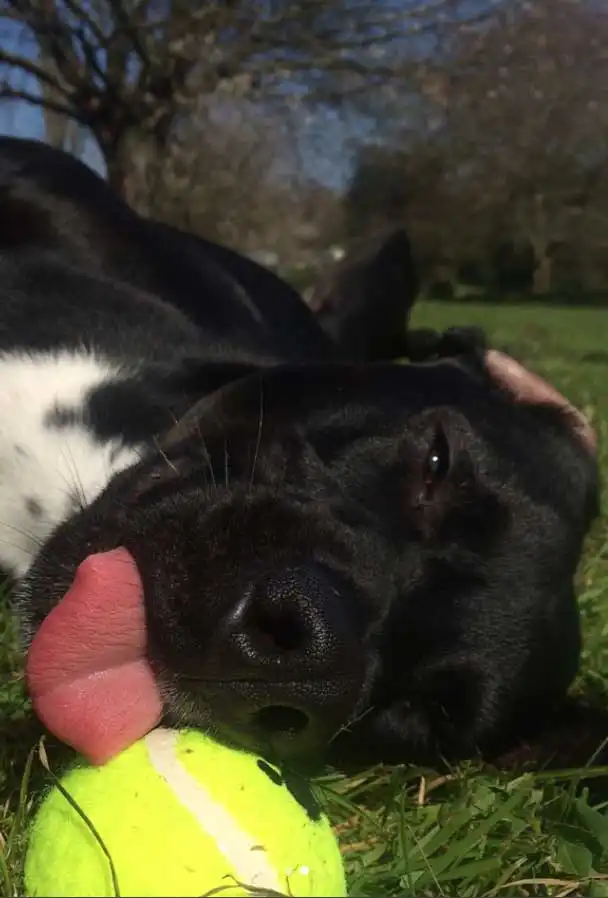
The Rottmatian needs a substantial amount of exercise each day, ideally ranging from one hour to 90 minutes, to stave off boredom and anxiety. A couple of daily walks, paired with around an hour of playtime in the yard, will satisfy their physical requirements. It's important to note that these dogs also flourish with mental stimulation and quality interaction with their owners. They have a strong inclination for running and playing fetch, making activities like fetch or flyball particularly enjoyable for them. Furthermore, they perform exceptionally well in agility and obedience competitions, so considering these pursuits could be beneficial. Hunting and swimming are also among their preferred activities.
Things to Know
Cups Per Day
3.5 Cups
Daily Activity
90 Minutes
Average Lifespan
13 Years
Origin
2000s
Type
Crossbreeds
Size
Large
Origin Country
United States
Brush Frequency
Weekly
Coat Texture
Straight
Register
Your kids have been begging for a pet forever, and you've recently decided that it's time for your family to get a new addition -- a dog! While everyone is excited for the new arrival, you're wondering if you need to have a dog license. How much does it cost? Is it required? Where do you get one?
Member Clubs

PETINNATE
Other
Height & Weight
Weight
80 lbs (36 kg)Male: 85 lbs (39 kg) , Female: 75 lbs (34 kg)
Height
22 inches (56 sm)Male: 24 inches (61 sm) , Female: 21 inches (53 sm)
6 Months
40 lbs ( m 40 lbs, f 40 lbs )
18 inches ( m 18 inches, f 18 inches )
12 Months
65 lbs ( m 65 lbs, f 65 lbs )
19 inches ( m 19 inches, f 19 inches )
18 Months
75 lbs ( m 75 lbs, f 75 lbs )
20 inches ( m 20 inches, f 20 inches )
Eye Colors
Brown
Nose Colors
Black
Coat Colors
Black
Brown
Red
White
Pied
Sable
Brindle