Rottsky
Rottweiler Husky
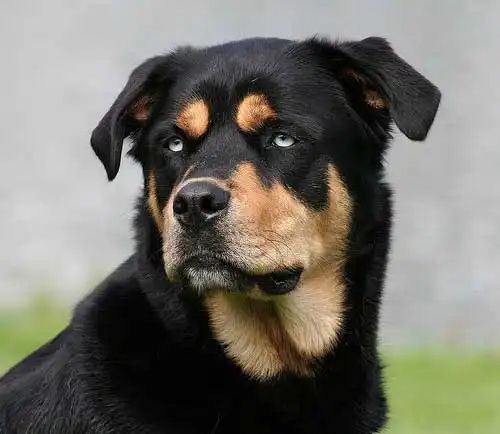
The Rottsky is a carefully crafted hybrid breed, born from the combination of the strong and formidable Rottweiler, a guardian dog from Germany, and the Siberian Husky, a breed with ancient ties to the Chukchi people of Russia, predating written history. This breed is highly athletic and boasts impressive endurance. Although Rottskys are celebrated for their loyalty, dependability, and protective nature, they need plenty of physical activity and mental stimulation. Lacking these, they may become excessively energetic and even destructive, which makes them ill-suited for life in an apartment.
Breed Origin
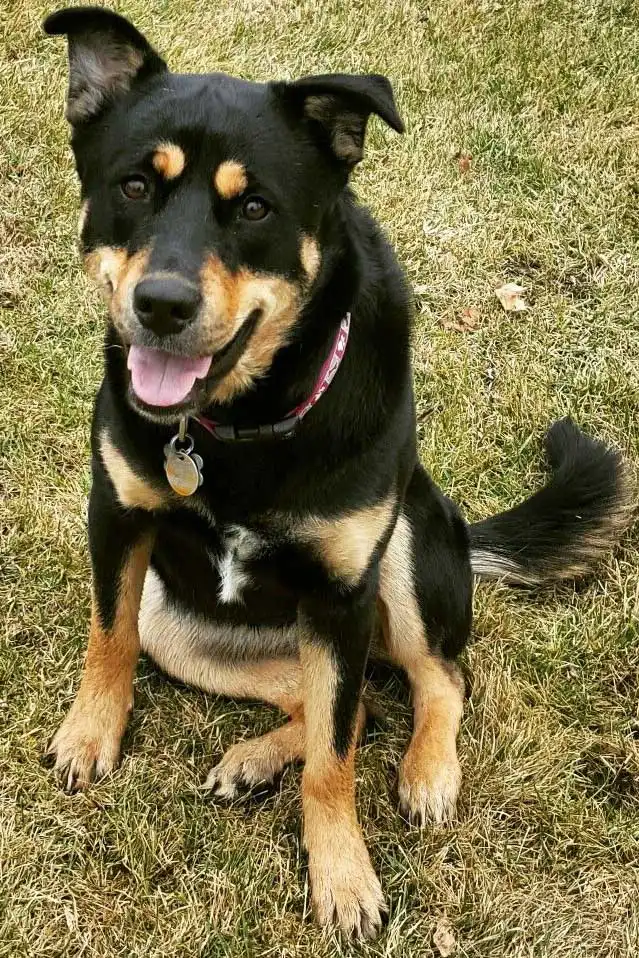
The Rottsky is a designer dog breed that emerges from the intentional crossbreeding of the Rottweiler, a sturdy German breed known for its protective nature, and the Siberian Husky, an ancient sled dog developed by nomadic tribes in Russia. Rottweilers have a long history as cattle herders in Germany, dating back to the Middle Ages. Although their precise origins are somewhat ambiguous, they are generally thought to be descendants of large Drover dogs utilized by Roman cattlemen and butchers around 700 A.D. to protect and drive cattle to market, combined with local German breeds such as the Appenzeller Sennenhund and various Swiss mountain dogs. The introduction of the locomotive in the mid-1800s diminished the demand for cattle herding dogs, leading to a notable decline in the Rottweiler's popularity. It wasn't until the 1900s that their reputation was revitalized, as they were redefined as elite dogs suitable for roles in police, military, and security services. Today, Rottweilers are also valued as dependable and protective family companions. Conversely, the Siberian Husky is an even older breed, developed by the Chukchi people, an indigenous group in Russia. These dogs played a crucial role for the Chukchi, pulling sleds filled with food, belongings, and sometimes people, which allowed the tribe to travel more efficiently over long distances. When not working, Huskies were often found with the tribe's women and children, with only those exhibiting gentle temperaments being kept as pets. The combination of these two breeds typically produces a strong, loyal, and resilient dog that tends to be leaner and less prone to heart problems than the Rottweiler, while also displaying stronger guarding instincts than the Siberian Husky. Some breeders may choose to cross the Rottweiler with the Alaskan Husky instead of the Siberian Husky, also referring to this mix as a Rottsky. However, the Alaskan Husky may bring different temperamental traits and physical features, making it crucial to conduct thorough research when selecting a breeder.
Breed Appearance
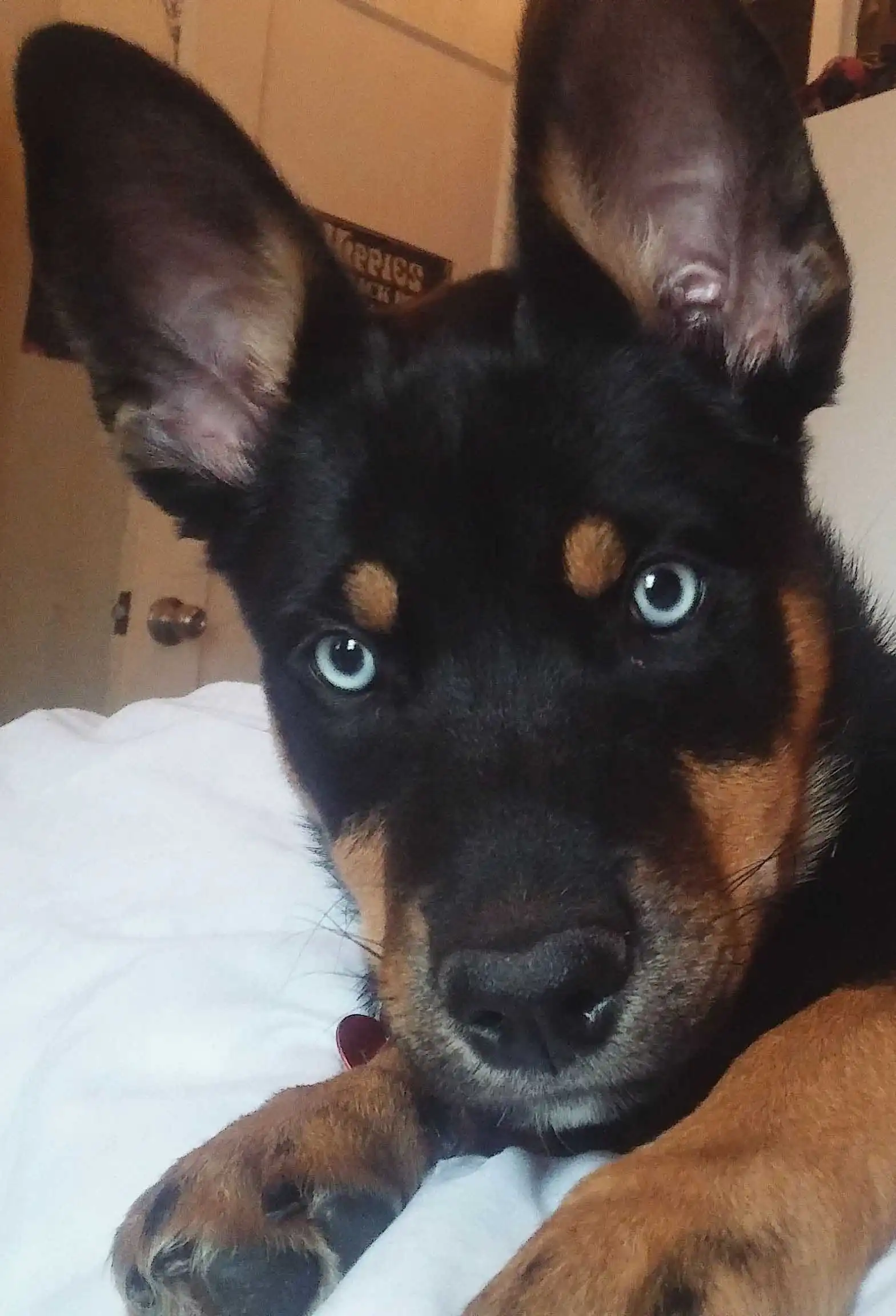
The Rottsky typically reaches a height of around two feet at the shoulder and features a slightly elongated physique. These dogs are generally robust, showcasing a compact yet well-defined musculature. However, individual variations may lean towards the more muscular traits of the Rottweiler, characterized by a broad head and a short, wide muzzle, or the somewhat leaner build of the Husky, which has a moderately sized head and a tapered muzzle of medium length. Their eyes are commonly almond-shaped and dark brown, although they may also inherit blue or heterochromic eyes from their Husky ancestry. Both parent breeds possess triangular ears, but the Rottweiler's ears hang down close to the head, while the Husky's ears stand erect. Furthermore, both breeds have double coats that differ significantly: the Rottweiler's coat is short, glossy, and lies flat against the body, whereas the Husky's coat is medium-length, well-furred, and stands away from the body.
Care Routine
Both the Rottweiler and the Siberian Husky do not need to be bathed often, as over-washing can strip away the natural oils vital for a healthy coat. If your Rottsky has a thicker, longer coat akin to that of a Siberian Husky, it’s important to make sure the undercoat dries completely. This breed is susceptible to mold and mildew if the undercoat stays wet. Additionally, both breeds experience significant shedding; while brushing a few times a week can help control this, daily grooming may be required during peak shedding seasons in spring and fall.
Behavior & Temperament
This breed is characterized by its high energy levels, requiring both physical exercise and mental stimulation. To prevent the development of negative behaviors, they need plenty of activity, attention, and mental challenges. If these requirements are not met, the Rottweiler-Siberian Husky mix can become quite destructive. For instance, a bored or restless Siberian Husky may vocalize excessively and dig disruptively, while a dissatisfied Rottweiler might chew on various items, including toys, shoes, or even walls. When given adequate exercise, social interaction, and mental engagement, they tend to be friendly, though they may be somewhat reserved around unfamiliar people. Generally, they show more affection towards their family members. Unlike the typically outgoing Siberian Husky, this mixed breed may sometimes display aggression towards other dogs, especially those of the same sex, a trait inherited from the Rottweiler. They also have a strong prey drive, which can lead them to chase after cats and other small animals. Their ability to be trained can vary; although they are intelligent and can learn quickly, the Rottweiler's stubbornness combined with the Husky's unpredictable behavior—being obedient in certain situations like at a dog show but ignoring commands at home—can complicate the training process.
Play & Exercise
This breed is known for its high energy levels and determination, requiring significant physical activity and mental stimulation to stay healthy and balanced. They generally relish long walks and vigorous runs, but they also excel in diverse activities such as sledding, Schutzhund training, advanced obedience, and agility courses. However, getting them to enjoy swimming or water sports can be a bit of a challenge. Moreover, it’s crucial to monitor this crossbreed closely during exercise in hot weather, as they may be more prone to heat exhaustion than other dogs.
Things to Know
Cups Per Day
3.0 Cups
Daily Activity
90 Minutes
Average Lifespan
11 Years
Origin
Unknown
Type
Crossbreeds
Size
Large
Origin Country
Unknown
Brush Frequency
Daily
Coat Texture
Straight
Register
Your kids have been begging for a pet forever, and you've recently decided that it's time for your family to get a new addition -- a dog! While everyone is excited for the new arrival, you're wondering if you need to have a dog license. How much does it cost? Is it required? Where do you get one?
Member Clubs

PETINNATE
Other
Height & Weight
Weight
76 lbs (34 kg)Male: 85 lbs (39 kg) , Female: 68 lbs (31 kg)
Height
23 inches (58 sm)Male: 24 inches (61 sm) , Female: 22 inches (56 sm)
6 Months
47 lbs ( m 47 lbs, f 47 lbs )
19 inches ( m 19 inches, f 19 inches )
12 Months
61 lbs ( m 61 lbs, f 61 lbs )
21 inches ( m 21 inches, f 21 inches )
18 Months
67 lbs ( m 67 lbs, f 67 lbs )
22 inches ( m 22 inches, f 22 inches )
Eye Colors
Blue
Brown
Nose Colors
Black
Brown
Isabella
Coat Colors
Black
Gray
Brown
Red
Cream
White
Sable