Russian-European Laika
Russko-Evropeĭskaya Láĭka, Russian European Laika
The Russo-European Laika is a unique hunting breed skilled in tracking game, particularly adept at treeing, but it also excels in hunting game birds, moose, and even bears. Known for their unwavering loyalty to their families, these dogs can be difficult to re-home, often trying to return to their former homes. Early socialization is essential, as they have a strong territorial instinct and may show aggression towards other dogs. Although they might bark and appear unfriendly to strangers, they usually do not bite unless they perceive a real threat.
Breed Origin
The Russo-European Laika is a spitz-type hunting dog that originated in the mountainous areas of Finland and the European regions of Russia in the late 19th century. These dogs were historically prized for their hunting skills, particularly before the advent of widespread agriculture. The early Laikas were not well-suited to farming lifestyles, which prompted the development of new breeds that were better adapted to agricultural environments. This crossbreeding between the native Laika and these newer breeds led to a significant reduction in the purebred Laika population, causing a sharp decline by the early 1930s. In response to the looming threat of extinction, Russian hunters launched a breeding initiative that incorporated various indigenous strains, including the Karelian Bear Laika, Komi Laika, and Votyak Laika. These efforts, undertaken prior to World War II, resulted in the creation of the first Russo-European Laikas, which were primarily bred for their working abilities. During this time, the dogs typically displayed reddish or gray fur, while the black and white coloration commonly associated with the breed today was still quite uncommon. After the war, a new breed standard was introduced that emphasized black and white coats, leading to the formal adoption of the name Russo-European Laika. The breed gained recognition from the Federation Cynologique Internationale in 1980 and was officially acknowledged by the United Kennel Club on January 1, 1996, under the name Russian-European Laika.
Breed Appearance
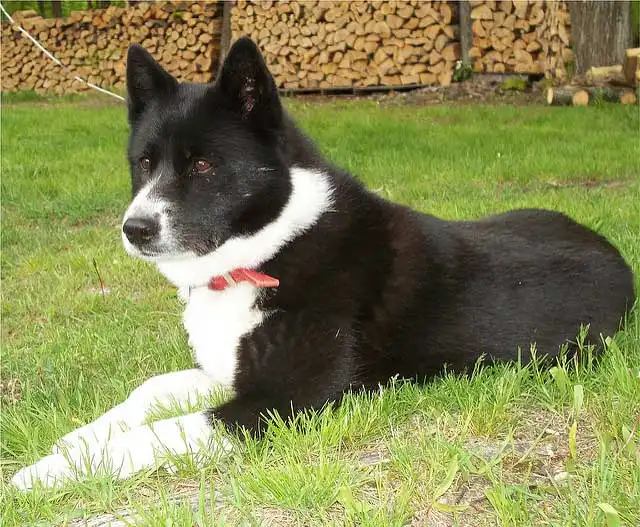
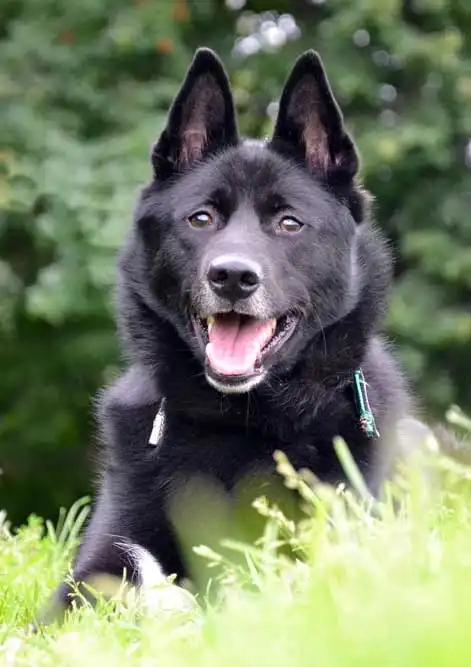
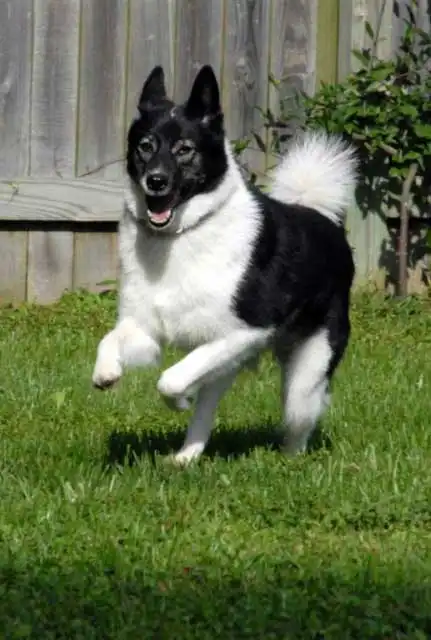
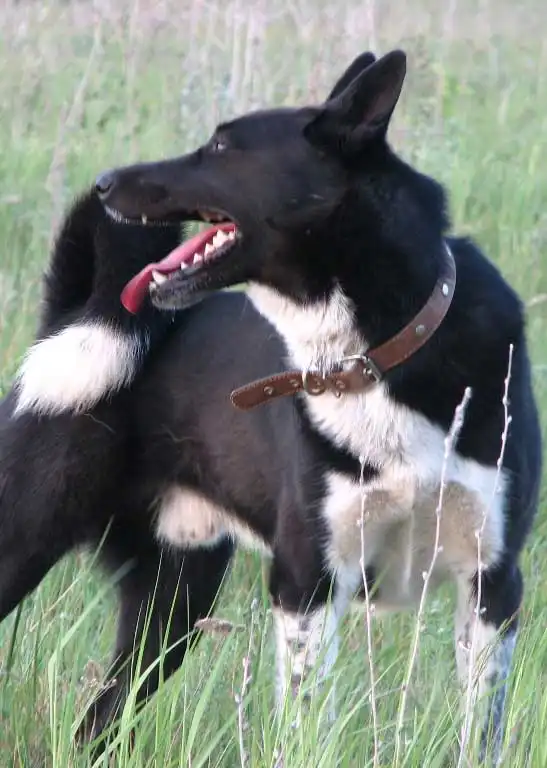
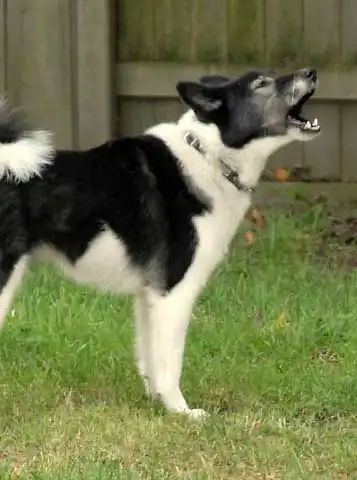
This medium-sized spitz breed is characterized by a well-defined musculature while still maintaining a relatively slender build. Generally, they possess a square frame, achieving a pleasing proportion between their height and length; however, some may be slightly longer than they are tall. Their long, feathered tails are elegantly arched over their backs. The heads of these dogs are wedge-shaped and appear somewhat small compared to their bodies, with a length that exceeds their width and a slender, pointed muzzle that is slightly shorter than the skull. Their dark oval eyes and high-set, erect V-shaped ears contribute to their unique look. Furthermore, they have a thick double coat, often showcasing a blend of black and white, although solid black and solid white variations are also present.
Care Routine
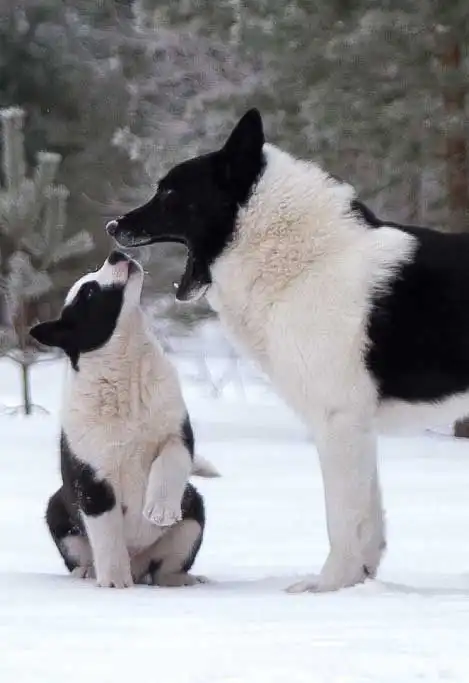
The dense coat of this breed requires more attention than standard fur to keep it in good shape. If your Russo-European Laika steers clear of muddy environments, you might only need to give them a bath a few times a year. On the other hand, if they have the freedom to explore, they are likely to get dirty. While frequent baths aren't a must, daily brushing is crucial to remove dirt, debris, and any tangles that can form in their long, luxurious fur. During times of seasonal shedding, it may be helpful to brush them several times a day.
Behavior & Temperament
This breed is recognized for its keen intelligence and the deep, enduring bonds they form with their owners and families. They generally display an energetic personality but can be prone to anxiety, making it essential to monitor their interactions with young children. When encountering unfamiliar individuals, they tend to be cautious and often prefer to keep their distance from strangers. While they usually coexist peacefully with pets they have grown up with, they may exhibit territorial behavior towards new dogs. Their strong instinct to chase can lead them to pursue fast-moving animals, although they typically do not disturb livestock or household pets. These treeing hounds are highly alert and vocal, readily notifying you of any perceived threats, which makes them excellent watchdogs for larger homes. However, this vocal nature can pose challenges in apartment settings, where their barking might become a nuisance.
Play & Exercise
These animals are incredibly active and require at least an hour of vigorous exercise daily. While they enjoy casual walks in the neighborhood, they truly thrive in wooded areas and make excellent hiking partners. The Russo-European Laika possesses a strong hunting instinct and will eagerly chase after any squirrel that crosses its path, no matter your plans. They do best in open spaces and may feel restricted in city settings, especially in apartment buildings.
Things to Know
Cups Per Day
2.0 Cups
Daily Activity
60 Minutes
Average Lifespan
11 Years
Origin
1900s
Type
Pure Breeds
Size
Medium
Origin Country
Finland and European Russia
Brush Frequency
Daily
Coat Texture
Straight
Register
Your kids have been begging for a pet forever, and you've recently decided that it's time for your family to get a new addition -- a dog! While everyone is excited for the new arrival, you're wondering if you need to have a dog license. How much does it cost? Is it required? Where do you get one?
Member Clubs

PETINNATE
Northern Breed

UKC
Northern Breed
Height & Weight
Weight
45 lbs (20 kg)Male: 45 lbs (20 kg) , Female: 45 lbs (20 kg)
Height
22 inches (56 sm)Male: 22 inches (56 sm) , Female: 22 inches (56 sm)
6 Months
31 lbs ( m 31 lbs, f 31 lbs )
18 inches ( m 18 inches, f 18 inches )
12 Months
40 lbs ( m 40 lbs, f 40 lbs )
20 inches ( m 20 inches, f 20 inches )
18 Months
45 lbs ( m 45 lbs, f 45 lbs )
21 inches ( m 21 inches, f 21 inches )
Eye Colors
Brown

Nose Colors
Black
Coat Colors
Gray

Black

Pied