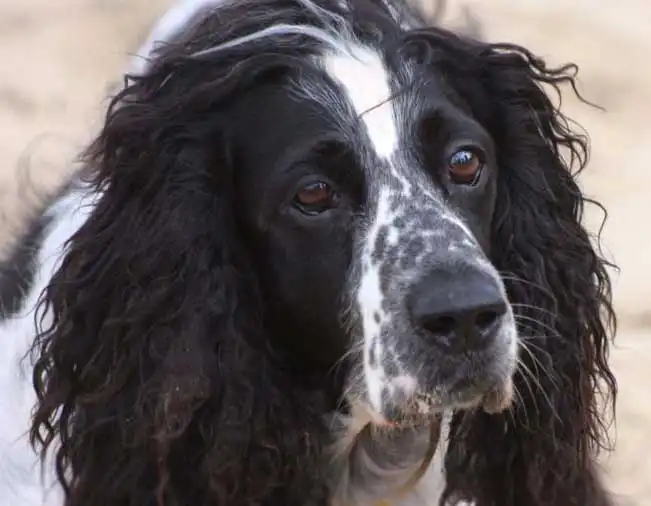
Russian Spaniel
The Russian Spaniel is a newer member of the gun dog group, having been created in the Soviet Union soon after the end of World War II. Known for their joyful and playful nature, these dogs make excellent family pets, relishing in games of fetch while also enjoying downtime. Initially bred for hunting purposes, Russian Spaniels are noted for their remarkable endurance and proficiency in flushing and retrieving game birds. Although still relatively uncommon, their popularity is slowly rising in their country of origin.
Breed Origin
The Russian Spaniel is a relatively new dog breed that originated in Russia after World War II. Its development can be traced back to pre-war initiatives aimed at increasing the leg length of Spaniels, such as Cocker Spaniels, by integrating breeds like the Springer Spaniel. This breeding experimentation led to the creation of what became known as Russian Spaniels, particularly in urban centers like Moscow, Leningrad, and Sverdlovsk, although there were no formal breed standards in place at that time. The aftermath of World War II had a profound effect on the populations of Russian Spaniel-type dogs, as well as many other indigenous breeds within the Soviet Union. It wasn't until 1951, following the war, that deliberate breeding efforts resulted in the establishment of the first breed standards. Primarily designed as a hunting dog, the Russian Spaniel was bred to excel in both flushing and retrieving, focusing on a strong, athletic build and increased stamina while minimizing decorative features. The breed continues to develop, and today, it is recognized by several lesser-known kennel organizations, including the Continental Kennel Club, the North American Kennel Club, and the Federation of International Canines. The breed standard has been revised twice, first in 1966 and again in 2000. Since the 1990s, the Russian Spaniel has seen a rise in popularity, with breed clubs emerging in both the former Soviet Union and the United States.
Breed Appearance
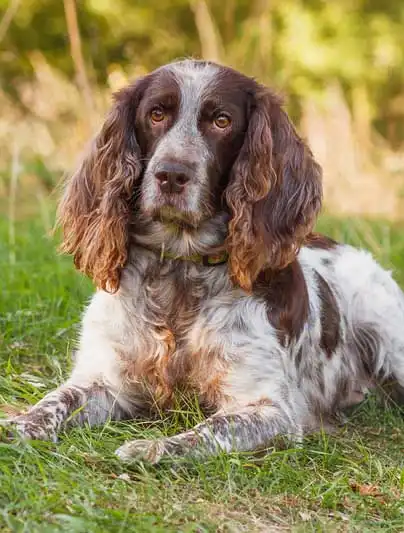
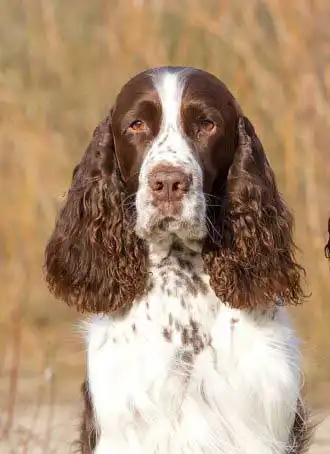
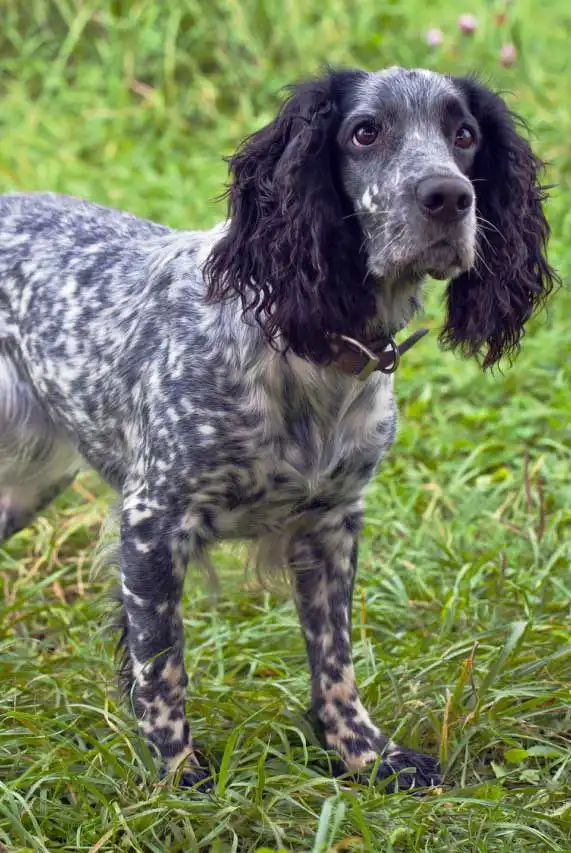
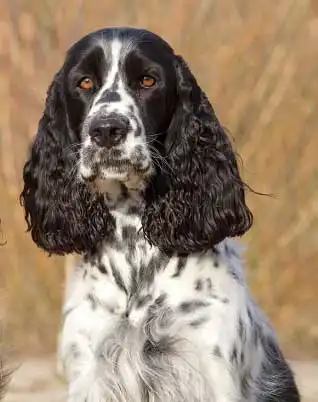
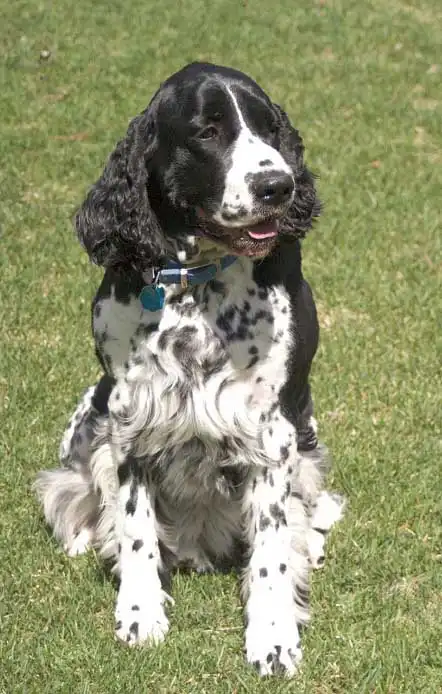
The Russian Spaniel is a relatively compact breed, usually measuring less than 18 inches in height at the shoulder. It boasts a straight, slightly elongated back and a sturdy build. This breed is notable for its round, arched paws, which are well-furred between the toes, and its thick, straight tail, often fringed and typically docked to about half its original length. The head is uniquely oval, featuring a long, broad muzzle and oval eyes that come in various shades of brown. Its long, drooping ears are set close to the eye line and hang near the cheeks; when fully extended, they should just touch the tip of the dog’s black or brown nose. The coat is soft, moderately long, and lies flat against the body, often reflecting light. While the most prevalent coloration is white with darker patches of black, brown, and tan, many Russian Spaniels also appear in solid shades of black, brown, or tan.
Care Routine
The coat of this breed is of medium length and is specifically designed to withstand dirt and moisture, which simplifies grooming. Typically, these dogs emit a mild scent and require bathing only a few times a year. Although they do shed, consistent brushing—around two to three times weekly—can help minimize matting, manage loose hair, and keep their coat healthy and shiny. It's also important to regularly clean and dry their long ears, checking for any trapped water, debris, or signs of infection. Additionally, monitoring your dog's skin is vital, particularly for puppies younger than five months, as food allergies can often present as rashes or skin irritations. Nail and dental care is straightforward; brushing their teeth a few times a week and trimming their nails approximately once a month is usually sufficient.
Behavior & Temperament
The Russian Spaniel is not only an industrious dog adept at flushing and retrieving in the field but also a warm and charming companion at home, radiating a vibrant and playful energy. It is important to supervise young children during their interactions with any dog, but this breed is generally gentle with kids and often becomes a joyful playmate. While the Russian Spaniel is usually welcoming, even to strangers, they have a sharp instinct for sensing potential threats, making them effective watchdogs. Their friendly disposition extends to most other dogs and cats, although their natural instincts may lead them to chase birds and small rodents, whether inside or outside. Highly intelligent and eager to please, training a Russian Spaniel is typically a smooth process; however, like many spaniels, they respond best to consistent and gentle training methods.
Play & Exercise
This breed is full of energy but generally needs just a moderate amount of walking, along with some spirited playtime. While they would ideally flourish in a home with a backyard for outdoor fun, they can also receive ample exercise indoors and adjust well to apartment life. Renowned for their intelligence, these dogs enjoy participating in a range of activities such as tracking trials, swimming, and rally sports training. Their small stature, paired with a friendly and gentle nature, makes them particularly well-suited for therapy work.
Things to Know
Cups Per Day
1.0 Cups
Daily Activity
45 Minutes
Average Lifespan
13 Years
Origin
1900s
Type
Pure Breeds
Size
Medium
Origin Country
Soviet Union
Brush Frequency
Weekly
Coat Texture
Straight
Register
Your kids have been begging for a pet forever, and you've recently decided that it's time for your family to get a new addition -- a dog! While everyone is excited for the new arrival, you're wondering if you need to have a dog license. How much does it cost? Is it required? Where do you get one?
Member Clubs

PETINNATE
Other
Height & Weight
Weight
34 lbs (15 kg)Male: 34 lbs (15 kg) , Female: 34 lbs (15 kg)
Height
17 inches (43 sm)Male: 17 inches (43 sm) , Female: 17 inches (43 sm)
6 Months
25 lbs ( m 25 lbs, f 25 lbs )
15 inches ( m 15 inches, f 15 inches )
12 Months
34 lbs ( m 34 lbs, f 34 lbs )
16 inches ( m 16 inches, f 16 inches )
18 Months
34 lbs ( m 34 lbs, f 34 lbs )
16 inches ( m 16 inches, f 16 inches )
Eye Colors
Brown

Nose Colors
Black
Brown
Coat Colors
Fawn
Brown
Black