Russian Tsvetnaya Bolonka
Russian Colored Bishons, Bolonka Zwetna
The Tsvetnaya Bolonka, a lively and joyful toy breed from Russia, is affectionately referred to in the plural as Bolonki. This breed is characterized by its loving disposition, but it should not be perceived as fragile or overly dainty; rather, it possesses a sturdy and well-proportioned build. The Tsvetnaya Bolonka delights in the simple joy of curling up on a lap, which aligns seamlessly with its intended purpose as a companion dog. Although this breed may occasionally try to take charge, it is essential for you to assert your role as the dominant figure in the household. By doing so, you will help the dog understand its place within the family dynamic, fostering a peaceful atmosphere and reducing the likelihood of it becoming nippy or troublesome.
Breed Origin
The Tsvetnaya Bolonka, which means "colored lap dog," is also known by various names such as the Russian Colored Bichon, Russian Lapdog, and Bolonka Zwetna. This breed has its roots in the early 18th century when Louis XIV presented Bolonkas to the Russian aristocracy. Subsequently, during Napoleon's invasion, additional ancestors of the Russian Tsvetnaya Bolonka were brought to Russia, where they became known as the French Bolonka. In Russia, the popularity of toy breeds was limited due to the severe climate and a higher demand for working dogs. During the Soviet period, toy dogs were considered unnecessary. With restrictions on importing small breeds, Russian breeders began to create toy breeds from the small dogs already available in the country. The Bolonka was developed from a combination of breeds, including the Pekingese, Shih Tzu, Bichon, French Bolognese, and Toy Poodle. Urban residents sought a small, affectionate lap dog that would thrive in apartment settings, contrasting with the larger working breeds. In 1966, the breed was officially recognized as the Russian Tsvetnaya Bolonka. After the Iron Curtain fell, interest in this breed grew significantly. By 1978, the Russian Tsvetnaya Bolonka started to be exported abroad. The American Kennel Club included the breed in its Foundation Stock Service in 2014, paving the way for eventual full recognition. In 2017, the International All Breed Canine Association classified the Russian Tsvetnaya Bolonka as a rare breed within the Toy Group.
Breed Appearance
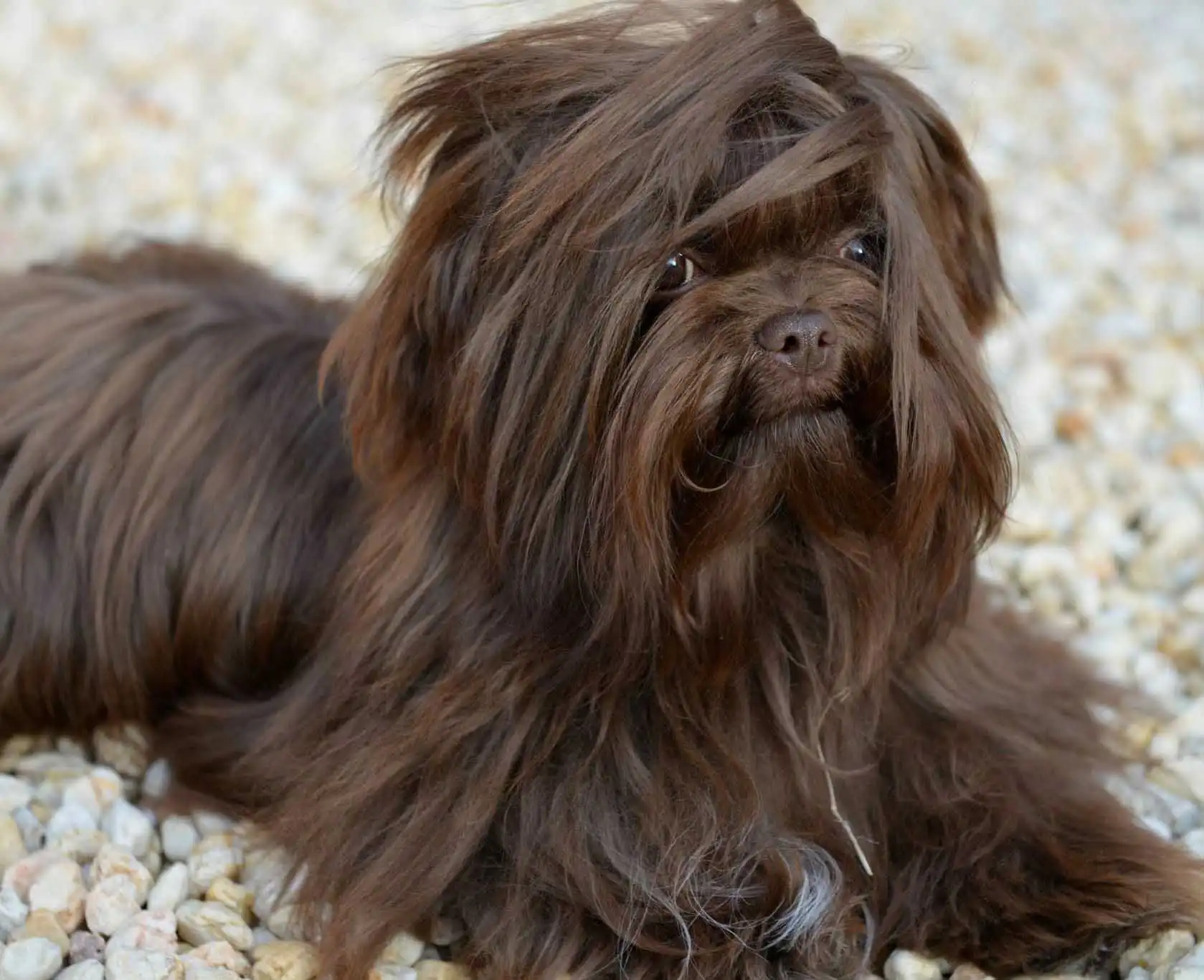
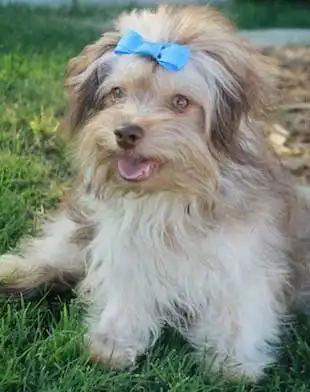
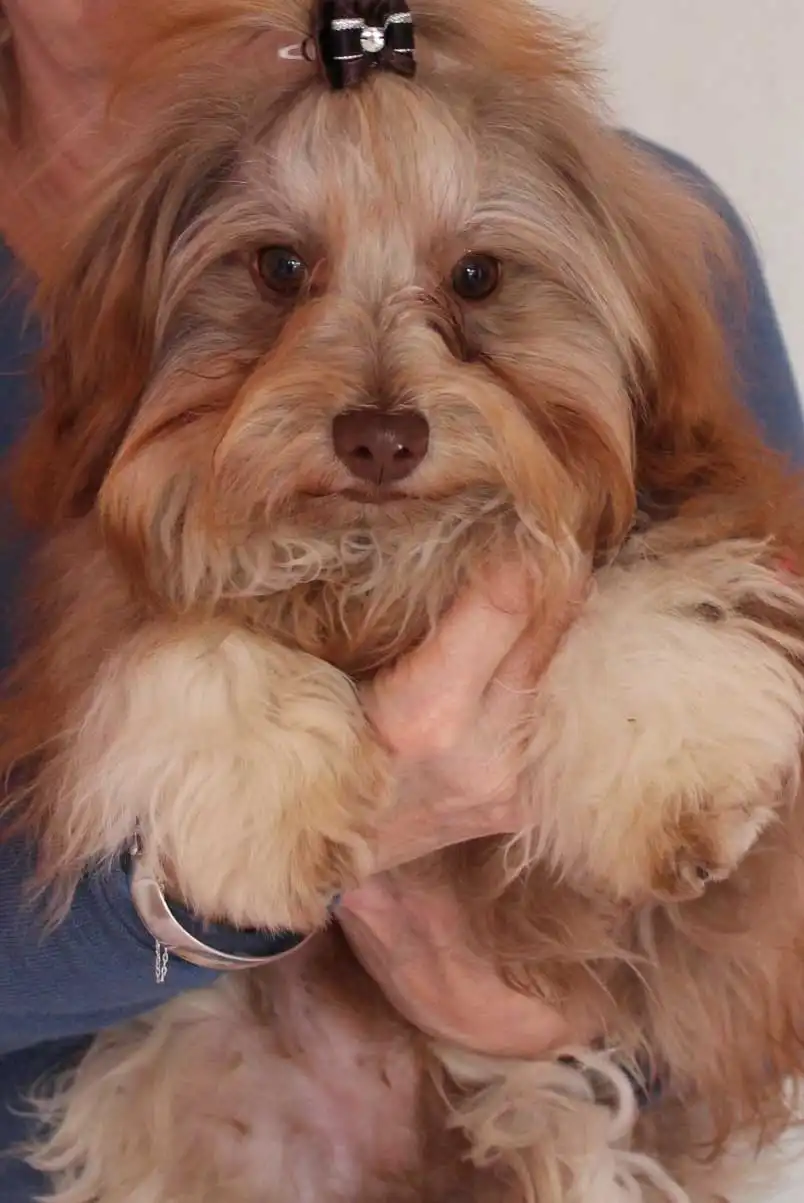
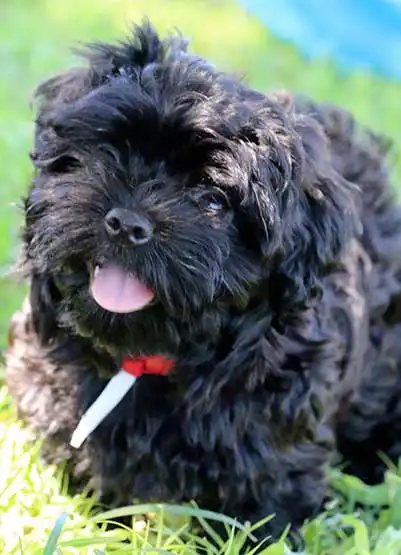
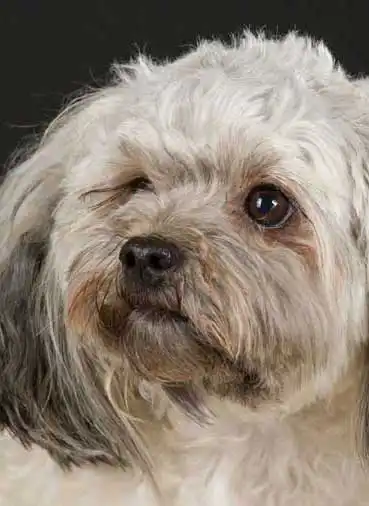
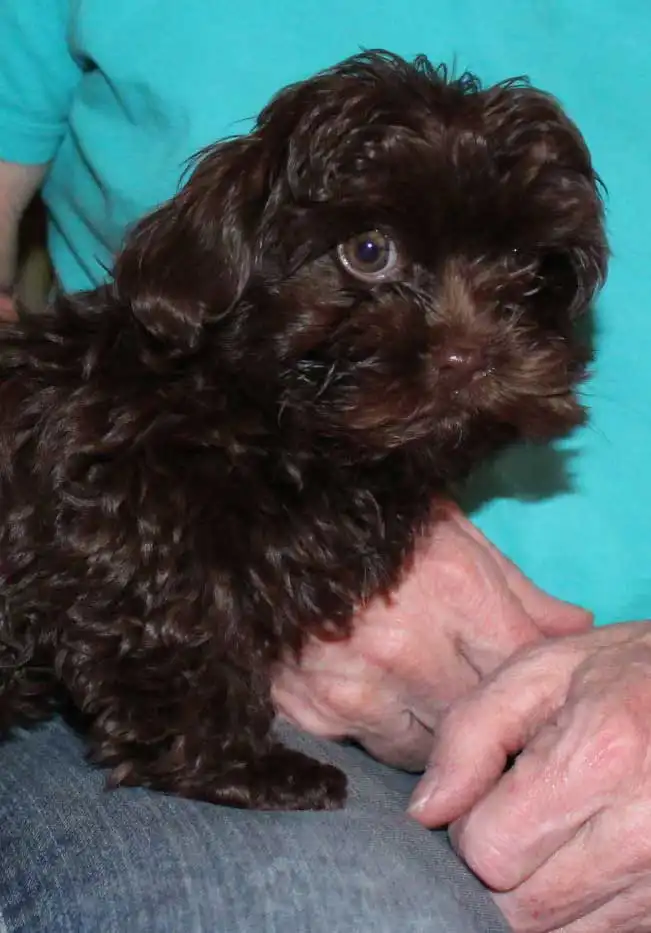
The Tsvetnaya Bolonka, a compact toy breed from Russia, is defined by its square body shape, where the length of the back matches that of the legs. This breed boasts a long, wavy or curly coat, with straight hair being deemed undesirable. Rather than looking fragile, the Tsvetnaya Bolonka should exhibit a robust and moderately proportioned physique. Males are easily recognized by their distinctive moustache and beard, while females do not possess these traits. The tail is elegantly curled over the back, with its tip resting against it. The ears hang down, maintaining a balanced length that is neither excessively long nor too short. This breed comes in a variety of colors, including black, brown, gray, red, white, and wolf-gray. Its coat is non-shedding, similar to that of the Bichon Frise and Shih Tzu, and can sometimes be mistaken for a Shih Tzu when fully groomed.
Care Routine
The Tsvetnaya Bolonka, a breed from Russia, requires significant grooming to keep its coat in good condition. Daily brushing is crucial to prevent matting, as their hair is susceptible to tangling, which can result in skin issues if not addressed. It’s vital to brush the entire body, paying special attention to the ears, beard, and legs with an appropriate comb. While a pin brush works best, a small slicker brush can be useful for puppies. This breed is often a good choice for those with allergies, as it does not shed fur. Non-shedding dogs are typically regarded as hypoallergenic because their dander and saliva are contained within their hair, reducing allergen exposure in the home. To keep the coat healthy, regular bathing is necessary, along with periodic trimming to maintain its appearance. To avoid infections, it’s important to clean the ears weekly and trim the nails every two to three weeks as needed. Furthermore, consistent dental care is essential to prevent tooth decay and tartar accumulation.
Behavior & Temperament
The Tsvetnaya Bolonka, a breed originating from Russia, is celebrated for its intelligence, amiable personality, and gentle disposition. This breed should never display shyness or aggression towards other dogs or people. They generally get along well with cats and other small pets. However, if excessively spoiled, a Tsvetnaya Bolonka might develop territorial behaviors and could become defensive around strangers, potentially showing aggression towards anyone who approaches their owner. Originally bred as a companion for the aristocracy, these dogs thrive on social interactions and are quick to express their affection. Given their small size, it’s important not to leave them unsupervised outdoors, as they are vulnerable to larger birds of prey. Many Tsvetnaya Bolonkas can be trained to use a litter box, making them well-suited for indoor living. They often see newcomers as playmates and greet them with enthusiasm. Without appropriate training, they may become overly excited in their interactions. Like larger breeds, consistent training is vital to ensure they develop into well-behaved companions.
Play & Exercise
Things to Know
Cups Per Day
0.0 Cups
Daily Activity
0 Minutes
Average Lifespan
13 Years
Origin
18th century
Type
Pure Breeds
Size
Small
Origin Country
Russia
Brush Frequency
Daily
Coat Texture
Wavy
Register
Your kids have been begging for a pet forever, and you've recently decided that it's time for your family to get a new addition -- a dog! While everyone is excited for the new arrival, you're wondering if you need to have a dog license. How much does it cost? Is it required? Where do you get one?
Member Clubs

PETINNATE
Other
Height & Weight
Weight
8 lbs (4 kg)Male: 9 lbs (4 kg) , Female: 6 lbs (3 kg)
Height
9 inches (23 sm)Male: 9 inches (23 sm) , Female: 8 inches (20 sm)
Eye Colors
Brown

Nose Colors
Black
Coat Colors
Brown
Black
Red
Gray
White