Rustralian Terrier
Unknown
The Rustralian dog is a delightful mix of the Australian Terrier and the endearing Jack Russell. This unique combination creates a sturdy little terrier whose personality is much larger than its physical stature. Affectionate and playful, the Rustralian Terrier serves as a remarkable source of happiness despite its small size. They thrive on social interaction and can feel quite lonely if left alone for too long. While they are cheerful companions, they may exhibit a touch of stubbornness; however, with a patient and firm yet gentle approach, this can be effectively managed. It’s essential to establish that they are not the ones in charge; they respond best to a respectful owner. Their expressive faces, lively energy, and friendly nature make them wonderful family pets. Although they start off small as puppies, it’s vital to teach children to handle them with care, as they may appear tough but are still quite delicate. They respond well to training, particularly when encouraged with praise and small treats. With their charming, playful, and joyful personalities, they truly make for loving companions.
Breed Origin
The Rustralian Terrier is a relatively recent hybrid breed, resulting from the crossbreeding of an Australian Terrier and a Jack Russell Terrier. Due to the limited history of this small breed, we can gain a better understanding of its background by examining its parent breeds. Beginning with the Australian Terrier, this breed has its roots in various British Terriers that were brought to Australia by early settlers. It was developed for a range of functions, including protecting homes and farms, hunting, herding sheep, and managing rat and snake populations. Renowned for their resilience and lively spirit, these small dogs quickly won the hearts of those around them, becoming beloved companions. The Australian Terrier is adaptable, thriving in both city and country environments, and is celebrated for its loyalty, intelligence, and cheerful demeanor. While they are not overly excitable or prone to excessive barking, they make excellent family protectors, displaying the energy and confidence often associated with much larger breeds. Conversely, the Jack Russell Terrier is a well-established breed known for its lively character. It was developed in Southern England in the mid-1800s by Parson John Russell, who aimed to create a working Terrier capable of hunting alongside hounds and adept at flushing foxes from their dens for the hounds to chase. Russell's efforts were successful, as the Jack Russell emerged as an effective hunting dog. By the 1930s, the breed had gained considerable recognition, leading to the establishment of various breed clubs, each with its own standards for the ideal Jack Russell appearance. The Jack Russell Terrier Club of America maintains an independent registry that places the breed within the hunting group, while the Jack Russell Terrier Association of America achieved recognition from the American Kennel Club in 2000. Today, this energetic and spirited small dog continues to attract a loyal following and remains a favored choice for companionship, combining a compact stature with a bold personality.
Breed Appearance
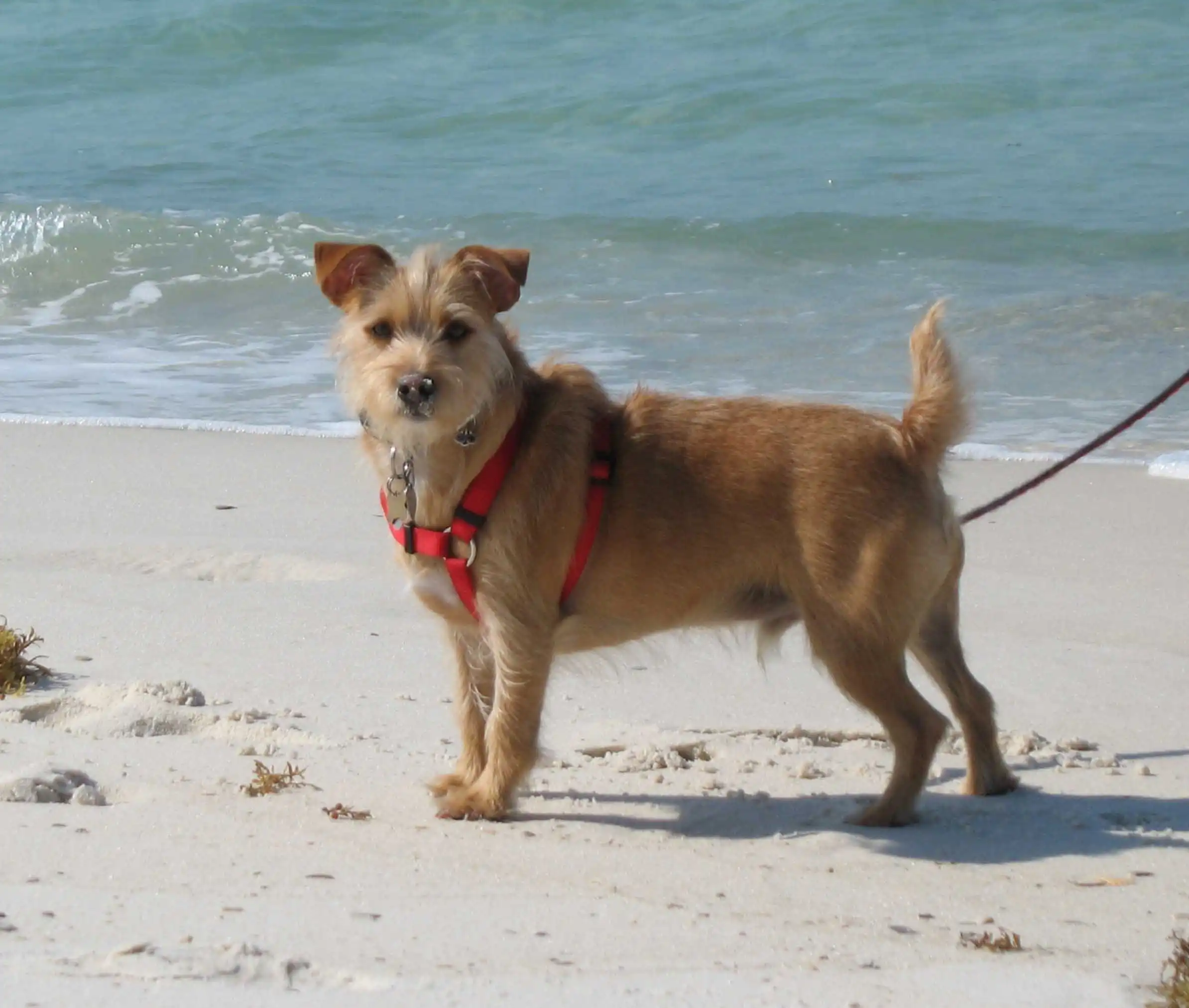
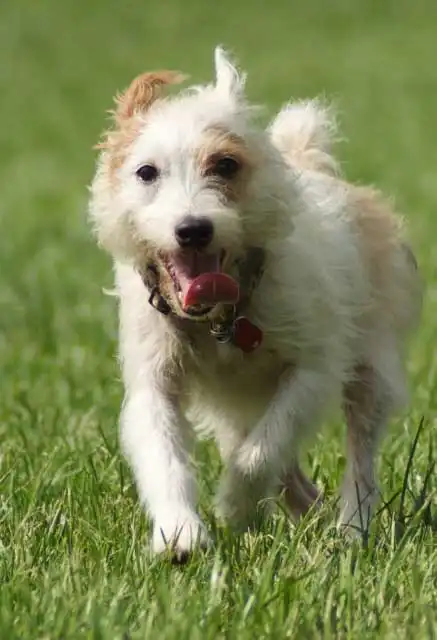
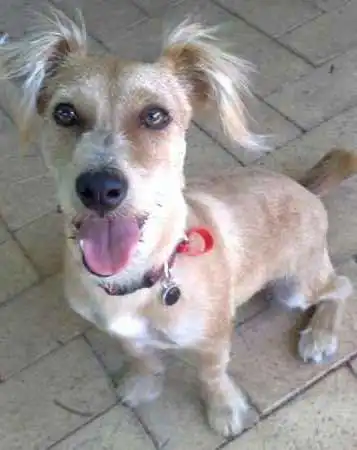
With their charming, soft eyes and alert ears, these little dogs are simply irresistible. Despite their small stature, their lively personalities shine brightly, perfectly matching their compact, muscular frames built for agility. Their short, graceful legs enable them to achieve surprising bursts of speed and make quick turns. Characterized by a pointed muzzle, small teeth that fit together in a scissors bite, and a shiny black nose, their faces are quite unique. Staying true to their terrier roots, they possess a curious and inquisitive expression in their dark, round eyes, complemented by a tail that wags with infectious enthusiasm. Their medium-length coats, often rough and water-resistant, come in a variety of colors, including the white and tan of the Jack Russell, as well as combinations of tan, brown, black, red, and sandy markings. Although they may be small, their vibrant personalities and energetic demeanor more than make up for it.

Care Routine
The Rustralian Terrier is relatively easy to care for, needing only a thorough brushing twice a week to maintain a neat coat and avoid tangles. Their fur is water-resistant, so it's crucial to limit baths to prevent skin problems caused by stripping away natural oils. When bathing is necessary, use a mild dog shampoo and make sure to rinse thoroughly. After the bath, towel dry your dog and keep them warm, particularly during colder months. While grooming, take the chance to check for any cuts or sores that might become infected, as these curious little dogs often get into situations that could result in injuries. It's a good idea to start brushing your Rustralian Terrier's teeth early to help prevent dental issues down the line. Additionally, regularly inspect their ears for signs of infection and their eyes for any discharge or redness. Finally, trim their nails carefully, and once you're finished, let them run free—they're likely to zoom around the house in joy before settling down.
Behavior & Temperament
This spirited little dog is truly a boundless source of vitality, overflowing with enthusiasm for life and ready to embrace every opportunity. Your Rustralian Terrier will follow you around the house, playfully annoy the cat, and interact with the kids all at once. It's crucial to socialize these lively pups while they are still young, ensuring they develop good relationships with other pets and children. While they may coexist peacefully with your long-time feline companion, their strong hunting instincts might drive them to chase the neighbor's cat with unyielding fervor. These dogs flourish in the company of humans and are not suited for a life spent confined to an outdoor kennel. Despite their robust build, they dislike solitude and prefer to be indoors with you, ideally snuggled up on your lap. They are intelligent and eager learners, responding well to training, but it's vital to keep sessions short and enjoyable to hold their attention. Changing up the training routine is essential; otherwise, they may lose interest and wander off, which can be quite frustrating. Always vigilant, these dogs are quick to detect any intruders in their space and will alert you immediately. They can adapt to apartment living, but they still need daily walks and ample playtime to burn off their excess energy. While they can also thrive in a home with a yard, make sure it is securely fenced to prevent your little terrier from dashing off whenever someone passes by. With a Rustralian Terrier in your life, you can expect each day to be filled with excitement. Their lively energy, affectionate demeanor, and cheerful personality make them a fantastic companion—just be prepared to keep pace with their spirited nature.


Play & Exercise
The Rustralian Terrier, similar to other terrier breeds, is known for its inquisitive nature, high energy levels, and lively character. Regular walks are vital for them to burn off energy, and they take great pleasure in visiting dog parks. Despite their compact size, these enthusiastic dogs often behave as if they are much larger, making it essential to keep a close eye on them, particularly around larger breeds. They have a strong affinity for various toys and eagerly participate in playtime, whether or not they receive a formal invitation to join in family activities. When it comes to outings, the Rustralian Terrier is always excited to join you, exploring the neighborhood and uncovering new sights. However, due to their keen hunting instincts, it’s important to keep them leashed, as they may instinctively pursue small, quick-moving creatures. Be ready for your calls to go unnoticed during such moments. While they thrive on activity, they also appreciate quieter times, contentedly snuggling on your lap for some affection and connection. These dogs truly excel in an active home environment, where their spirited personality can fully flourish.
Things to Know
Cups Per Day
1.0 Cups
Daily Activity
40 Minutes
Average Lifespan
14 Years
Origin
1990s
Type
Crossbreeds
Size
Small
Origin Country
United States, Australia
Brush Frequency
Weekly
Coat Texture
Wiry
Register
Your kids have been begging for a pet forever, and you've recently decided that it's time for your family to get a new addition -- a dog! While everyone is excited for the new arrival, you're wondering if you need to have a dog license. How much does it cost? Is it required? Where do you get one?
Member Clubs

PETINNATE
Other
Height & Weight
Weight
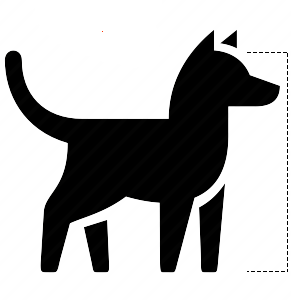
13 lbs (6 kg)Male: 13 lbs (6 kg) , Female: 12 lbs (5 kg)
Height
11 inches (28 sm)Male: 11 inches (28 sm) , Female: 11 inches (28 sm)
6 Months
5 lbs ( m 5 lbs, f 5 lbs )
6 inches ( m 6 inches, f 6 inches )
12 Months
12 lbs ( m 12 lbs, f 12 lbs )
10 inches ( m 10 inches, f 10 inches )
18 Months
13 lbs ( m 13 lbs, f 13 lbs )
10 inches ( m 10 inches, f 10 inches )
Eye Colors
Brown

Amber
Nose Colors
Black
Coat Colors
White
Brown
Red
Sable
Black
Fawn