Saarloosewolfdog
Saarloos Wolfhound, Saarlooswolfhund, European Wolfdog
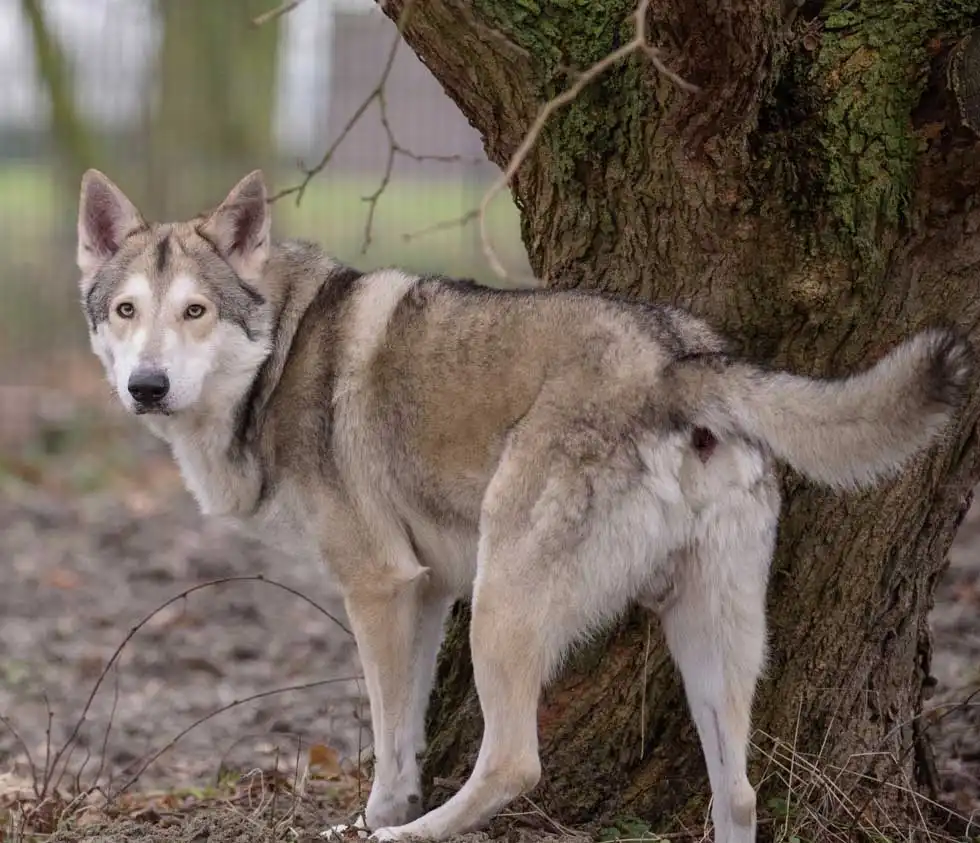
The Saarloos Wolfdog, commonly known as the Saarloos Wolfhound, is a breed of Spitz that emerged in the Netherlands in the 20th century. Unlike many dog breeds with ancient origins, the history of the Saarloos Wolfdog is both well-documented and relatively modern. As their name suggests, these dogs bear a striking resemblance to wolves in several aspects of their physical appearance, a result of their early crossbreeding that has endowed them with certain wolf-like characteristics. Originally developed for work, they have largely transitioned into the role of companion animals, enjoying more popularity in the Netherlands than in other regions, which adds to their rarity. While they may share similarities with other wolf-like breeds from nearby countries, Saarloos Wolfdogs possess a distinct temperament. They are known for their affectionate nature at home, yet they tend to lack confidence and assertiveness, which diminishes their effectiveness as guard or watchdogs. Their sensitivity also influences their training and obedience levels. Although they may not be the best choice for working roles, their relatively high energy makes them a better fit for active families or those with sufficient living space.
Breed Origin
The Saarloos Wolfdog was developed in the 1930s by a passionate Dutch breeder named Leendert Saarloos. Deeply fond of dogs, Saarloos felt that they had strayed too far from their natural instincts due to excessive domestication. Driven by a desire for a breed that retained more primal traits and a robust work ethic, he took significant steps to create one. He obtained a female wolf from the Rotterdam Zoo and mated her with a male German Shepherd, later breeding the offspring back to ensure that only a quarter of the wolf ancestry remained. While the new breed was fairly balanced, it did not align with his aspirations, as it exhibited a more reserved and aloof demeanor than he had hoped for. Saarloos persisted in refining the breed, achieving greater success until his death in 1969, during which he was the only breeder dedicated to what was then known as the "European Wolfdog." After his passing, a few enthusiasts carried on his legacy, and in 1975, the Dutch Kennel Club officially recognized the breed, naming it the Saarloos Wolfdog to honor Leendert's dedication. The breed received further acknowledgment from the Federation Cynologique Internationale in 1981, and, after more than twenty years, it was finally recognized by the United Kennel Club in 2006.
Breed Appearance
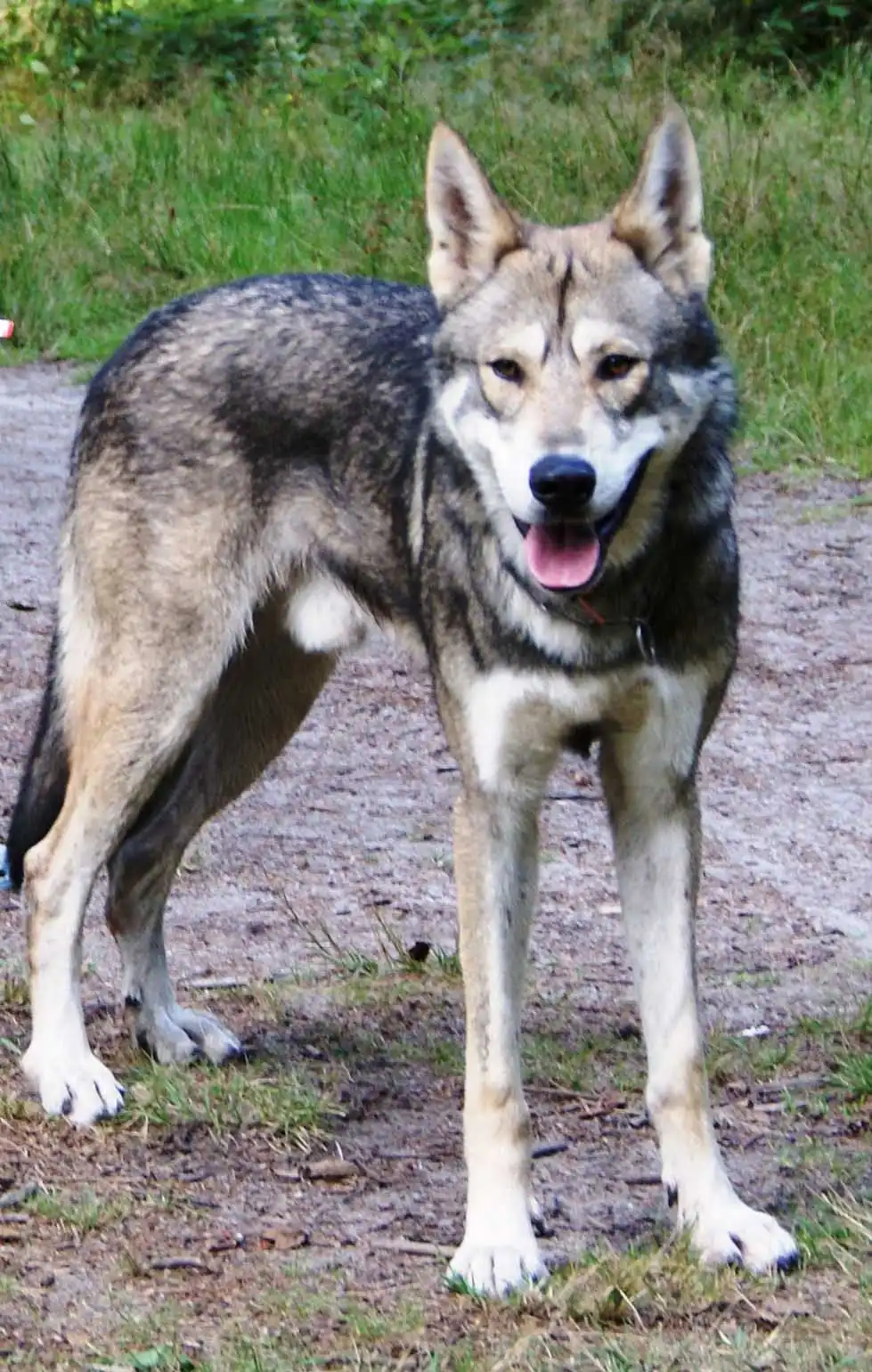
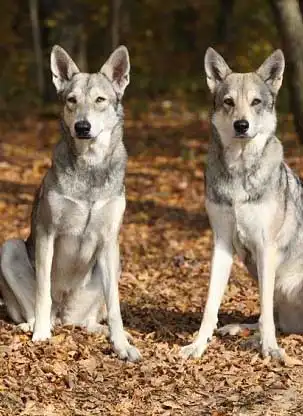
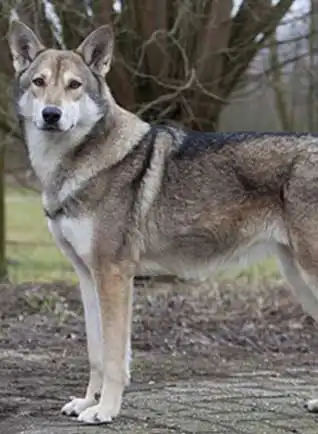
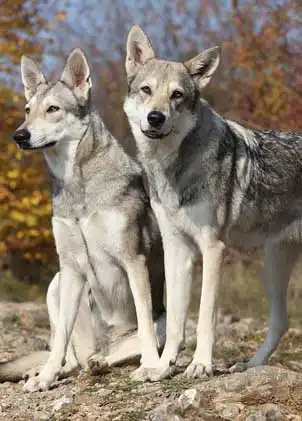
The Saarloos Wolfdog is a large breed, generally standing between 2 to 2.5 feet tall at the shoulders and weighing around 100 pounds, with an average weight closer to 80 pounds. This breed is easily recognized for its striking resemblance to wolves, which is evident in its overall physique. It has a notably large, wedge-shaped head with a broad, flat skull, a subtle stop, and a long, tapering muzzle that culminates in a black nose. Its eyes are almond-shaped and slightly angled, typically yellow but occasionally brown, enhancing its wolf-like charm. The neck is long and muscular, seamlessly connecting to a straight back. The front legs are sturdy and somewhat thick-boned, complemented by a deep chest that gently tucks at the belly. The hind legs are strong, featuring well-defined thigh muscles and good angulation. The tail is long and bushy, tapering towards the tip and usually held high in a saber-like manner or nearly straight. The coat is dense and double-layered, comprising a thick undercoat and a looser topcoat, available in a mix of white, cream, brown, and grey shades.
Care Routine
Saarloos Wolfdogs are considered to have moderate grooming needs, mainly due to their shedding and the requirement for regular brushing to maintain clean coats free of loose hair and tangles. A slicker brush or a sturdy bristle brush is usually effective for this purpose, although a dematting tool may be necessary if tangles become too severe. These dogs are generally good at grooming themselves, so baths are not often required—typically only when they get particularly dirty or develop unpleasant smells. It's crucial to avoid excessive bathing, as it can remove the natural oils from their skin, which are vital for keeping their skin healthy and their fur water-resistant. Furthermore, owners should regularly check and trim their nails to prevent any cracking or breaking, and it’s recommended to brush their teeth weekly to promote good dental hygiene.
Behavior & Temperament
Saarloos Wolfdogs are well-known for their friendly nature, whether they are indoors or outdoors. When outside, they display an energetic curiosity, eagerly investigating their environment and following interesting scents. Because of their athletic abilities, it’s important to keep them in a tall fenced area, as they can easily jump over barriers to explore further. While they have a strong prey drive and may chase small animals if the opportunity arises, this trait highlights the need for comprehensive socialization, especially if they are to live harmoniously with smaller pets. Inside the house, these dogs are generally calm and steady, forming deep bonds with their families and showing affection, though they maintain a moderate level of playfulness. They tend to be cautious around unfamiliar people; instead of barking or acting protectively, they often choose to retreat to avoid conflict, which diminishes their effectiveness as guard dogs. Their non-aggressive disposition means that in uncomfortable situations, they are more likely to seek shelter than to confront the issue. This reserved behavior can also make them wary of young children, especially if the kids are lively, emphasizing the importance of socialization to keep the dogs happy and secure in their home. Given their origins in pack living, Saarloos Wolfdogs may experience some separation anxiety. Combined with their high energy, this means that owners need to engage them in regular physical activity to prevent feelings of frustration, boredom, or unhappiness.
Play & Exercise
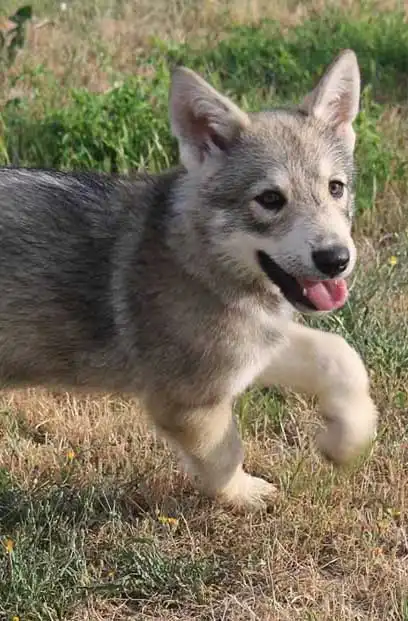
Saarloos Wolfdogs are lively dogs that need a significant amount of daily exercise to stay healthy and happy. They flourish in spacious environments where they can run, explore, and use their senses, so it's important for them to have large yards or easy access to dog parks, along with an owner who leads an active lifestyle. This breed is also very intelligent and thrives on mental stimulation; therefore, activities that challenge both their minds and bodies are vital for their overall well-being. Playing games like fetch, engaging in problem-solving activities, or teaching them new tricks can help keep them both physically and mentally satisfied. Ideally, they should receive around 70 minutes of exercise each day.
Things to Know
Cups Per Day
4.0 Cups
Daily Activity
70 Minutes
Average Lifespan
11 Years
Origin
1930s
Type
Pure Breeds
Size
Large
Origin Country
Netherlands
Brush Frequency
Daily
Coat Texture
Straight
Register
Your kids have been begging for a pet forever, and you've recently decided that it's time for your family to get a new addition -- a dog! While everyone is excited for the new arrival, you're wondering if you need to have a dog license. How much does it cost? Is it required? Where do you get one?
Member Clubs

PETINNATE
Herding Dog

UKC
Herding Dog
Height & Weight
Weight
80 lbs (36 kg)Male: 80 lbs (36 kg) , Female: 80 lbs (36 kg)
Height
27 inches (69 sm)Male: 28 inches (71 sm) , Female: 26 inches (66 sm)
6 Months
57 lbs ( m 57 lbs, f 57 lbs )
18 inches ( m 18 inches, f 18 inches )
12 Months
68 lbs ( m 68 lbs, f 68 lbs )
22 inches ( m 22 inches, f 22 inches )
18 Months
80 lbs ( m 80 lbs, f 80 lbs )
26 inches ( m 26 inches, f 26 inches )
Eye Colors
Brown

Amber
Nose Colors
Black
Coat Colors
Silver
Brown
Gray
Cream
White