Schneagle
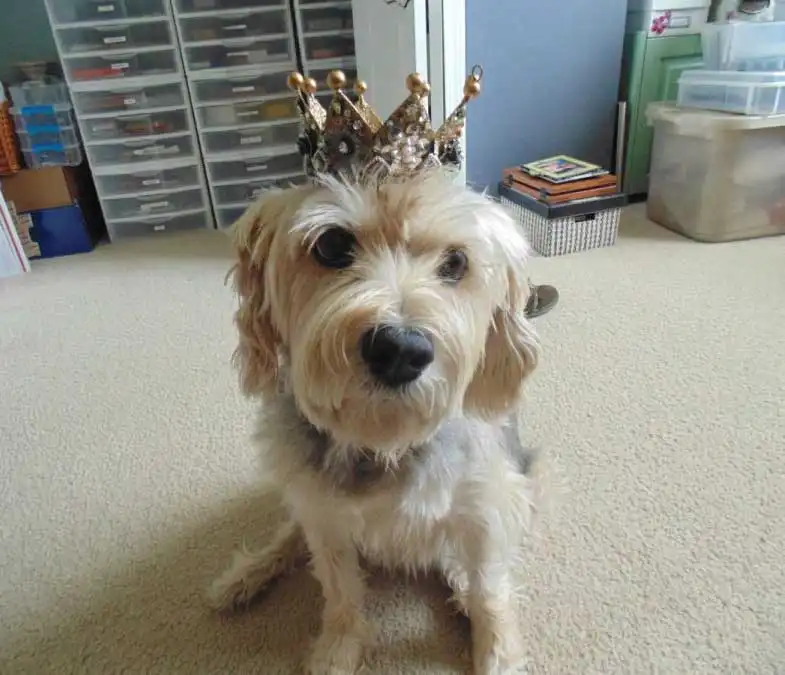
Miniature Schneagle
The Schneagle is a hybrid dog breed that results from crossing a Miniature Schnauzer with a Beagle. Generally, this compact canine reaches a maximum weight of around twenty-five pounds as an adult. Its grooming needs are moderate and can differ depending on the coat type inherited from its parents. Due to the influence of the dominant breed, the Schneagle may also be hypoallergenic. Renowned for its loyalty and affectionate nature, this breed craves attention, which makes it less ideal for those who are often away from home. With proper early socialization, the Schneagle can get along well with other pets, showcasing its devoted temperament. This breed is versatile enough to thrive in both apartments and homes with fenced yards; however, it’s crucial to keep in mind that it may wander if it escapes without a leash or if it is outside its yard. Regular physical activity is vital to keep the Schneagle from becoming overweight.
Breed Origin
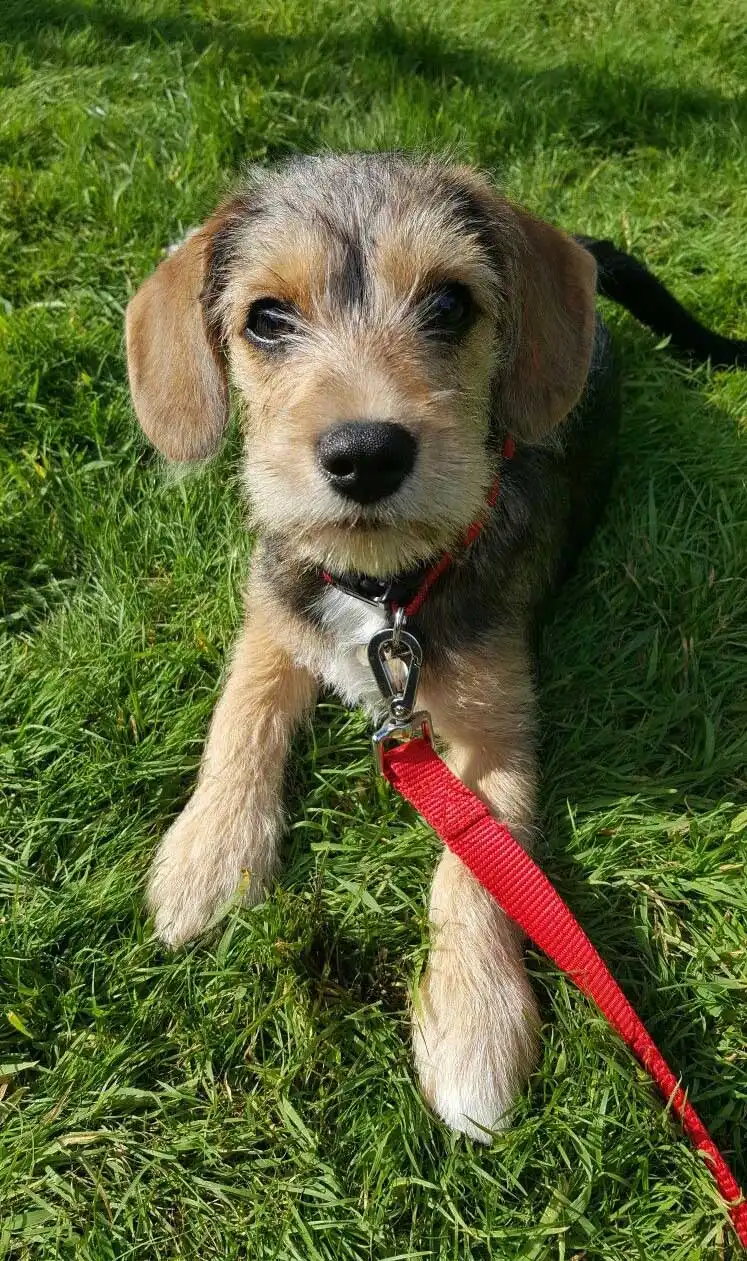
The Schneagle is a hybrid dog breed, and while it may not be as rare as some other mixed breeds, its origins are still somewhat unclear. To better understand the Schneagle's background, we can delve into the histories of its parent breeds. The Beagle, primarily recognized as a hunting dog, boasts a rich heritage. It once accompanied European nobility on hunts and later became a favored companion for American hunters pursuing various game. The Beagle is thought to be a descendant of the Talbot hound, which was brought to England by William the Conqueror around 1066. During the reigns of Edward II and Henry VII, particularly small Beagles, known as Glove Beagles, gained significant popularity; their name comes from a legend that they were small enough to be held in a gloved hand. Queen Elizabeth I owned a smaller variety called the Pocket Beagle, which could easily fit in a pocket. Although these diminutive Beagles were adept hunters, their short legs limited their speed. In the 1700s, as fox hunting became increasingly popular, the Beagle faced the threat of extinction, but farmers who kept packs for hunting small game helped preserve the breed. In the mid-1800s, Reverend Phillip Honeywood established a pack of Beagles that are considered the forebears of today’s Beagle. Honeywood prioritized breeding for hunting ability, while another Englishman, Thomas Johnson, sought to produce Beagles that were both visually appealing and effective hunters. This era also saw an increase in the Beagle's size due to crossbreeding with larger dogs. However, upon reaching America, hunters began to breed Beagles with smaller hunting dogs to revert to a more compact size. The American Kennel Club officially recognized the Beagle in 1884. In a similar vein, the Miniature Schnauzer is also a natural hunter, originally bred to catch rats and safeguard farms across Germany. This breed emerged from the interbreeding of the Schnauzer, Miniature Pinscher, Affenpinscher, and possibly the Poodle. Due to the absence of definitive records, the precise lineage of the Miniature Schnauzer remains uncertain. The earliest documented Schnauzer, a female named Findel, dates back to 1888. Interest in the Miniature Schnauzer surged after World War I, a challenging period for dog breeding, and its popularity has remained steady ever since.
Breed Appearance
The appearance of a Schneagle can be quite variable, heavily shaped by the dominant characteristics of its parent breeds. Generally, this hybrid features a coat of moderate length, but it may also inherit the short, coarse fur typical of its Beagle ancestry. Color patterns are quite varied; a Schneagle could be black and tan, showcasing long, almost golden hairs, or it might be primarily black with subtle tan highlights. Some individuals may also have white markings on their chest and belly. Furthermore, a Schneagle can exhibit a combination of long and short hair in different areas of its body. This breed is characterized by its large, round, dark eyes and a medium-length muzzle that ends in a black nose. The tail is long and gently curved at the tip. Size can differ widely; while some Schneagles may weigh as little as seven pounds, the average weight hovers around twenty pounds. Typically, they are not very tall, with females being noticeably smaller than their male counterparts.

Care Routine
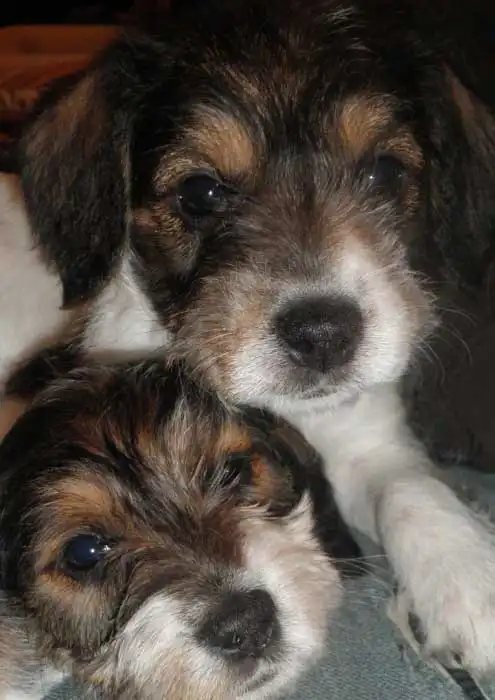
Caring for a Schneagle is generally straightforward when it comes to grooming, though the required maintenance can differ depending on the coat length. Shedding levels are largely determined by which parent breed's traits are more pronounced. Beagles tend to shed more consistently throughout the year, whereas Miniature Schnauzers shed very little, if at all. If a Schneagle inherits characteristics from the Miniature Schnauzer, it will be hypoallergenic and can be groomed with a brush every two weeks. On the other hand, if it takes after the Beagle, weekly brushing will be essential to control excess fur. Monthly baths are advisable, unless the dog requires more frequent washing. To support dental health and combat bad breath, it's best to brush the dog's teeth two to three times a week, although daily brushing is optimal to prevent tooth decay. Additionally, nails should be trimmed monthly unless they naturally wear down, as excessively long nails can lead to breaks or tears.
Behavior & Temperament
The Schneagle is a loving, friendly, and energetic breed that thrives on social interaction with both humans and other pets. This dog loves to be involved in family activities and is always excited to greet newcomers. With a keen intelligence, his playful antics often bring joy to his owners and their visitors. Renowned for his loyalty, the Schneagle prefers not to be alone and tends to follow family members around the house, eager to participate in whatever they are doing. He is observant and enjoys snuggling for long periods on the couch when given the opportunity. As a devoted companion, his greatest desire is to stay close to his family. Generally, he is easy to train and please, though he may show a stubborn streak at times. Patience is crucial for effective housebreaking. This breed should not be left outside for long stretches; his true place is indoors, surrounded by his loved ones.
Play & Exercise
The Schneagle has a propensity for laziness if the opportunity arises. He can easily spend hours lounging on the couch next to you, but with a bit of motivation, he will happily join you outside. His sociable demeanor makes him a fantastic companion for outings to the dog park, where he flourishes in a secure, fenced environment that allows for play. It's crucial to keep in mind that he should be indoors with his family, as extended periods of separation can cause him anxiety. Being an active breed, it's vital to provide him with toys that encourage indoor play. Choose toys that stimulate his mind while also promoting physical activity. He enjoys short, brisk walks around the neighborhood, as he thrives on quick bursts of exercise. Engaging in activities that combine fun and movement with you will bring him the greatest happiness.
Things to Know
Cups Per Day
1.0 Cups
Daily Activity
30 Minutes
Average Lifespan
11 Years
Origin
Unknown
Type
Crossbreeds
Size
Small
Origin Country
Unknown
Brush Frequency
Weekly
Coat Texture
Wiry
Register
Your kids have been begging for a pet forever, and you've recently decided that it's time for your family to get a new addition -- a dog! While everyone is excited for the new arrival, you're wondering if you need to have a dog license. How much does it cost? Is it required? Where do you get one?
Member Clubs

PETINNATE
Other
Height & Weight
Weight
17 lbs (8 kg)Male: 23 lbs (10 kg) , Female: 11 lbs (5 kg)
Height
13 inches (33 sm)Male: 13 inches (33 sm) , Female: 13 inches (33 sm)
6 Months
4 lbs ( m 4 lbs, f 4 lbs )
6 inches ( m 6 inches, f 6 inches )
12 Months
7 lbs ( m 7 lbs, f 7 lbs )
8 inches ( m 8 inches, f 8 inches )
18 Months
11 lbs ( m 11 lbs, f 11 lbs )
10 inches ( m 10 inches, f 10 inches )
Eye Colors
Hazel

Brown
Nose Colors
Black
Coat Colors
Black
Brown

Fawn

Pied