Schnese
Mini Schnese, Miniature Schnese
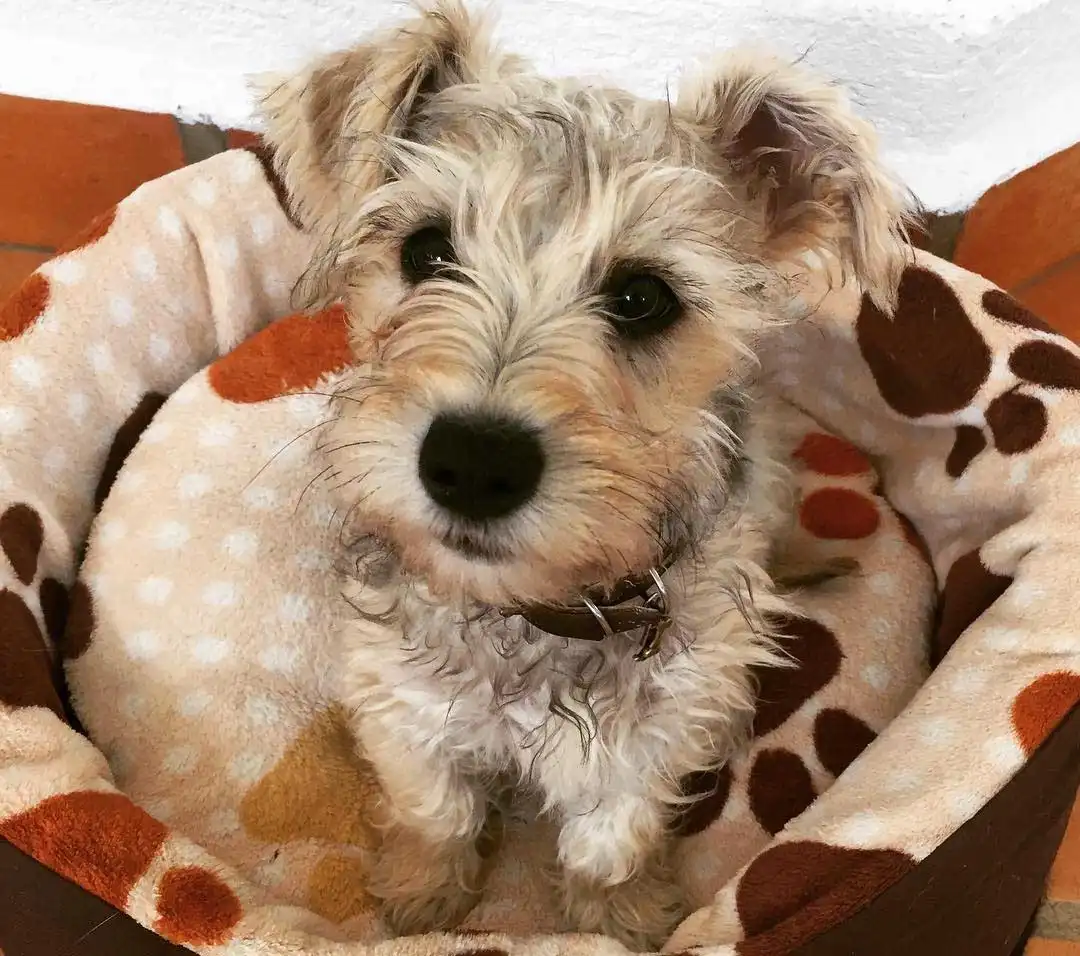
The Schnese is a charming mix of the Miniature Schnauzer and Havanese breeds. This distinctive combination highlights the best traits of both parent breeds, creating a dog that is lively, loving, and loyal. With the Havanese's history as a companion to nobility, this hybrid naturally embodies the "velcro dog" trait, relishing in close contact and deriving immense happiness from snuggling in your lap. Yet, her talents go well beyond being a mere affectionate pet; she also shines in a variety of pursuits, such as obedience trials, search and rescue operations, tracking, and agility competitions.
Breed Origin
The Schnese is a hybrid dog breed created by crossing the Miniature Schnauzer with the Havanese. Although detailed information about its origins and development is limited, we can gain insights into its traits by looking at its parent breeds. The Miniature Schnauzer has a rich history that dates back to Germany, with artistic representations of dogs resembling this breed appearing as early as the 1400s. However, it wasn't until the late 19th century that the Miniature Schnauzer was formally recognized as a separate breed. Its ancestry likely includes the Standard Schnauzer, Affenpinscher, and Poodle, with some breed enthusiasts also proposing connections to the Miniature Pinscher, Wire Fox Terrier, and Zwergspitz. Initially bred as a smaller counterpart to the Standard Schnauzer, this breed excelled at hunting rats and other vermin on German farms. The Miniature Schnauzer made its way to North America around 1924 and received recognition from the American Kennel Club in 1926. Today, it is one of the most beloved dog breeds in the United States, particularly cherished for its companionship. In contrast, the Havanese hails from Cuba and counts the Bichon among its ancestors. Known also as the "Bichon Havanais" or the Havana Silk Dog, this toy breed is celebrated for its friendly nature. The Havanese is distinctive as the only dog breed indigenous to Cuba, having been developed between the late 1800s and early 1900s specifically for companionship and as a lap dog. It was brought to the United States in 1970, and while it is now bred domestically, locating reputable breeders can be a challenge. The American Kennel Club officially recognized the Havanese in 1996. The Schnese hybrid is acknowledged by various organizations, including the American Canine Hybrid Club, Designer Breed Registry, Designer Dogs Kennel Club, Dog Registry of America, and the International Designer Canine Registry.
Breed Appearance
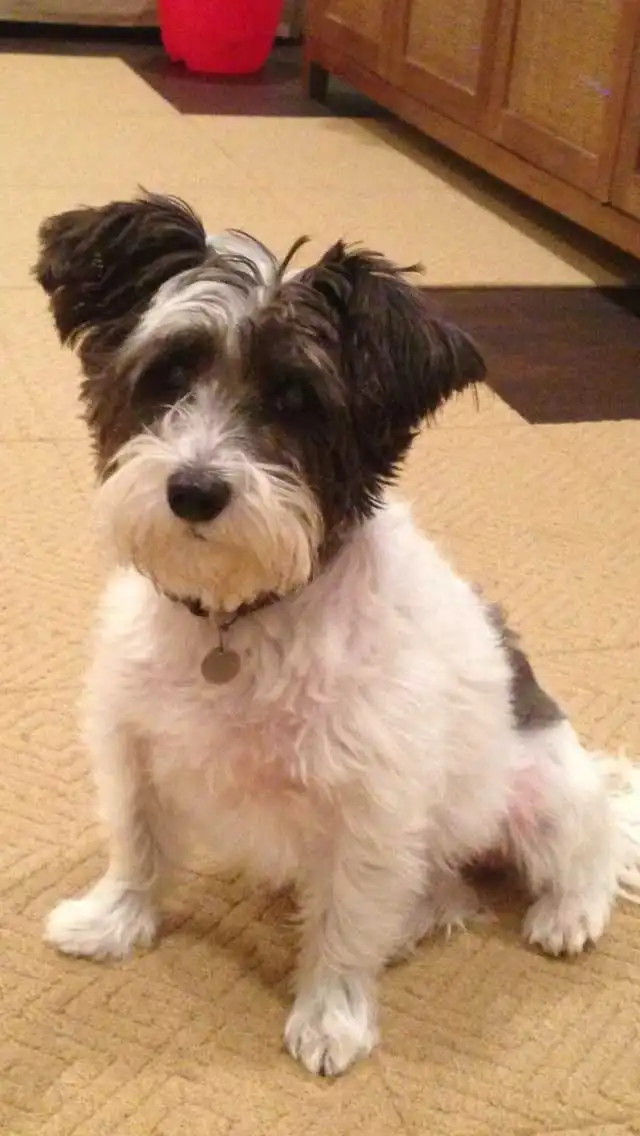
The Schnese hybrid, resulting from the crossbreeding of the Miniature Schnauzer and the Havanese, can display a variety of physical characteristics inherited from one or both parent breeds. Generally, these dogs range in height from 9 to 13 inches and weigh between 6 and 15 pounds. If the Schnauzer traits are more dominant, the Schnese may possess distinct bushy eyebrows and a beard, along with a coat that is soft, fine, and straight. Their coats can come in several colors, including black, brown, silver, grey, and white. Initially, puppies are often born with black and brown fur, which may change to grey or silver as they grow older. Their eyes tend to be small, dark, and either almond-shaped or deep-set, paired with a black nose and a scissors bite. The ears are floppy, and the length of the tail can vary.

Care Routine
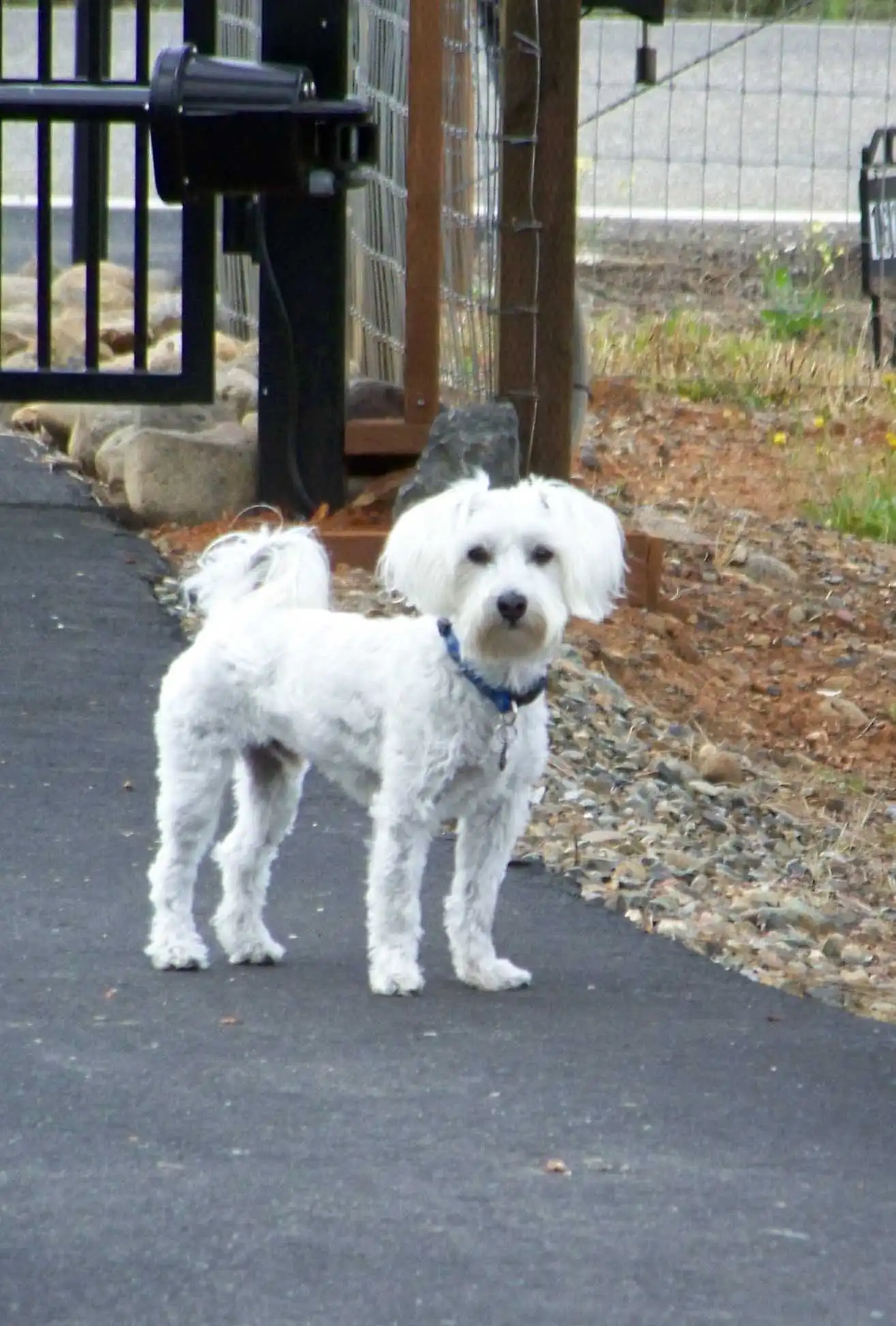
The Schnese hybrid is relatively low-maintenance, requiring daily brushing unless her coat is kept short. Although she sheds moderately, which means frequent vacuuming is necessary, both of her parent breeds are considered hypoallergenic. It's essential to check her ears on a weekly basis, cleaning them with a cotton ball and an appropriate canine ear wash as needed. During these ear inspections, remember to also examine her toenails; trim them if necessary, unless her regular exercise naturally keeps them worn down. Like many dog breeds, it's recommended to brush her teeth at least two to three times a week, with daily brushing being the most beneficial. This routine helps to prevent periodontal disease and the risk of tooth loss. Furthermore, she has a low odor and minimal drooling.
Behavior & Temperament
The Schnese hybrid, a charming mix of the Miniature Schnauzer and the Havanese, can inherit a variety of personality traits from either or both of its parent breeds. Owners and breeders frequently describe this breed as affectionate, loving, friendly, and highly attuned to the needs of their human companions. With a playful and joyful disposition, along with a strong eagerness to please, the Schnese is generally easier to train than many other breeds. Expect her to be lively, loyal, energetic, and intelligent, quickly forming a close bond with you during your shared activities. However, she does not do well when left outside or alone for long periods, as she is susceptible to separation anxiety, a common issue among "velcro dogs." Early socialization is vital to ensure she interacts positively with children, strangers, and other pets. Due to her small stature, it’s important to teach your children how to handle her gently and appropriately. She is likely to get along well with other animals in the household, especially if raised with them. Be aware that she has a strong prey drive, which may cause her to chase smaller creatures. While she may show some of the stubbornness typical of Schnauzers, she is generally considered moderately easy to train.


Play & Exercise
Your Schnese is a lively little dog that requires a couple of daily walks, opportunities to play in a dog park or a secure backyard, and stimulating activities like fetch, Frisbee, and flyball to help manage her energy levels. Engaging in obedience and agility training can also effectively channel her playful spirit. Given her strong prey drive, it’s essential to keep her leashed when outside, whether in a fenced yard or a similar secure area. Failing to do so might lead to a chase through bushes after any small animal or enticing scent that catches her interest. Thanks to her small size and relatively calm demeanor, she can adapt well to apartment or condo living, provided she gets enough exercise. She can also flourish in a family home, regardless of whether there’s a fenced yard, in both urban and rural settings. She is versatile enough to thrive in both hot and cold climates, as long as she has adequate protection during extreme weather conditions.
Things to Know
Cups Per Day
1.0 Cups
Daily Activity
60 Minutes
Average Lifespan
14 Years
Origin
Unknown
Type
Crossbreeds
Size
Small
Origin Country
Unknown
Brush Frequency
Daily
Coat Texture
Straight
Register
Your kids have been begging for a pet forever, and you've recently decided that it's time for your family to get a new addition -- a dog! While everyone is excited for the new arrival, you're wondering if you need to have a dog license. How much does it cost? Is it required? Where do you get one?
Member Clubs

PETINNATE
Other
Height & Weight
Weight
11 lbs (5 kg)Male: 11 lbs (5 kg) , Female: 11 lbs (5 kg)
Height
12 inches (30 sm)Male: 12 inches (30 sm) , Female: 12 inches (30 sm)
6 Months
8 lbs ( m 8 lbs, f 8 lbs )
9 inches ( m 9 inches, f 9 inches )
12 Months
11 lbs ( m 11 lbs, f 11 lbs )
11 inches ( m 11 inches, f 11 inches )
18 Months
11 lbs ( m 11 lbs, f 11 lbs )
11 inches ( m 11 inches, f 11 inches )
Eye Colors
Brown

Nose Colors
Black
Coat Colors
Black

Brown
Gray
Silver