Schnocker
Mini Schnocker, Cockershnauz, Miniature Schnocker
The Schnocker is an enchanting hybrid that results from the combination of the Miniature Schnauzer and the Cocker Spaniel. Although the specifics of its origin remain somewhat ambiguous, it is generally accepted that this breed began to take shape in the United States during the late 20th century to early 21st century, a time when there was an increasing interest in creating crossbreeds for various purposes. Regardless of its beginnings, the Schnocker is a truly lovable, affectionate, and loyal pet. While she may not be the most active dog, she leads a laid-back lifestyle and is more than happy to cuddle up next to you for a cozy movie night, whether you're enjoying popcorn or chips!

Breed Origin
The Schnocker hybrid is a mix between the Miniature Schnauzer and the Cocker Spaniel. Given the limited information on this hybrid, we can glean insights from the histories of its parent breeds. Both breeds trace their roots back to at least the 1400s: the Miniature Schnauzer evolved from the German Standard Schnauzer, while the Cocker Spaniel is part of a broader group known as "Spaniels." Historically, these breeds were developed for hunting; the Miniature Schnauzer was specifically bred to catch rats and other vermin, whereas the Cocker Spaniel was trained to hunt both on land and in water. Originating in Germany, the Miniature Schnauzer was valued as a ratter and a companion for farmers. Its development is believed to have begun around 1924, and it received recognition from the American Kennel Club (AKC) in 1926. Today, the Miniature Schnauzer is one of the most beloved dog breeds in the United States. In contrast, the Cocker Spaniel is the smallest breed within the AKC's Sporting Group. Both the American Cocker Spaniel and its close relative, the English Cocker Spaniel, were bred to flush and retrieve game birds across various terrains, including water. The AKC officially recognized the Cocker Spaniel in 1878, initially encompassing both American and English varieties. It wasn't until 1948 that the AKC designated them as distinct breeds. The Schnocker hybrid is acknowledged by several organizations, such as the American Canine Hybrid Club, the Dog Registry of America, and the International Designer Canine Registry.
Breed Appearance
The Schnocker hybrid is a charming crossbreed that combines the Miniature Schnauzer and the Cocker Spaniel, allowing it to inherit traits from one or both parent breeds. Breeders and owners often describe this dog as small to medium-sized, typically measuring between 12 and 15 inches in height and weighing between 16 and 25 pounds. The Schnocker boasts a slender build, long legs with large, webbed paws, and endearing floppy ears. Its face is expressive, featuring dark eyes, a black nose, and a notable beard. The coat of a Schnocker can vary widely, depending on which parent breed's traits are more dominant; it may be short or long, straight or wavy, and can range from coarse to soft, often with longer hair around the legs, eyebrows, ears, face, and feet. Common coat colors include black, brown, blonde, white, grey, and champagne, and the length of the tail can also vary among individual dogs.


Care Routine
The Schnocker hybrid is considered to have moderate grooming requirements. Its coat needs to be brushed several times a week to remove loose hair, debris, mats, and tangles, while also aiding in the distribution of essential oils that keep the fur healthy and appealing. This breed is recognized for its minimal shedding and may possess hypoallergenic qualities, a characteristic inherited from its Mini Schnauzer lineage. Bathing should be limited to when it is truly necessary to prevent the loss of vital oils that are essential for maintaining the coat's water-repellent and weather-resistant features. Given their tendency to develop ear infections, it is crucial to check the ears weekly, cleaning them with a cotton ball and a veterinarian-recommended ear wash as needed. Regular toenail inspections are also important; they should be trimmed if they do not naturally wear down through sufficient exercise. Like all dog breeds, the Schnocker hybrid benefits from consistent dental care, so brushing its teeth at least two to three times a week is recommended to avoid periodontal disease and potential tooth loss. Additionally, this breed is known for its low drooling and minimal odor.
Behavior & Temperament
The Schnocker, a delightful mix of the Miniature Schnauzer and Cocker Spaniel, can inherit a variety of personality traits from either or both of its parent breeds. Owners and breeders frequently describe this hybrid as sweet, intelligent, affectionate, and a true cuddle enthusiast. However, she may experience separation anxiety in certain circumstances; if her Schnauzer lineage is more pronounced, she might handle it better. This breed thrives on attention and enjoys being the center of attention. When visitors come over, her charming demeanor often results in an outpouring of affection, though it's wise to be mindful of the occasional excited "piddle" that may happen. This tendency usually lessens when only family members are around. The Schnocker is quite sensitive and tends to form strong attachments quickly, often bonding with her owner even more rapidly than they bond with her. Her desire to please makes her relatively easy to train. Early socialization is essential to ensure she interacts well with children, although supervision is recommended around younger kids, as they may not always know how to engage with her safely. Additionally, be prepared for her to bark from time to time, which may necessitate extra training, particularly in noise-sensitive settings.


Play & Exercise
Your Schnocker hybrid is a lively little companion who loves to snuggle up next to you while you read or watch TV. However, she needs regular exercise to stay happy and healthy. Daily walks, playtime at the dog park or in a secure backyard, and fun activities like fetch, Frisbee, and flyball, along with obedience and agility training, will keep her engaged. Her compact size makes her an excellent fit for apartment or condo living, provided she gets enough exercise to remain content and fit. She also adapts well to family homes, whether they have a fenced yard or not, in both urban and rural settings. While she can tolerate different climates, it’s essential to take special care during hot weather.
Things to Know
Cups Per Day
2.0 Cups
Daily Activity
60 Minutes
Average Lifespan
14 Years
Origin
2000's
Type
Crossbreeds
Size
Small
Origin Country
United States
Brush Frequency
Weekly
Coat Texture
Wavy
Ancestors
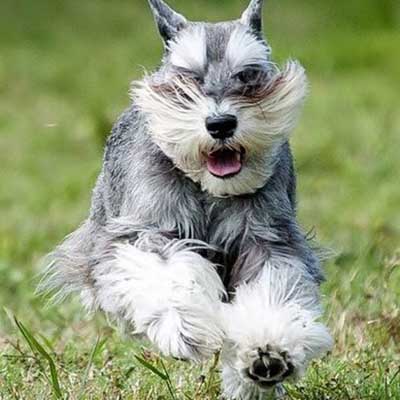
Miniature Schnauzer
The Miniature Schnauzer is recognized as the smallest and most cherished member of the Schnauzer breed. Originating in Germany in the 1800s, this breed was initially developed for catching rats and serving as a small farm dog. Over the years, the Miniature Schnauzer has evolved into a popular companion for many families. It is thought that this breed resulted from the crossbreeding of smaller Standard Schnauzers with Affenpinschers and Poodles, creating a more compact Schnauzer variant. Renowned for their affectionate and vocal personalities, Miniature Schnauzers flourish in lively households. They need regular exercise to maintain their happiness and health, along with adequate socialization. It's also crucial to keep smaller animals away from them due to their inherent hunting instincts. With their inquisitive and energetic nature, Miniature Schnauzers are always eager for new adventures.
Read more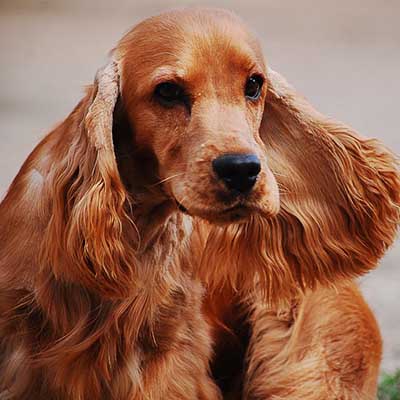
Cocker Spaniel
The American Cocker Spaniel traces its roots back to the English Cocker Spaniel but was intentionally bred with various other breeds to develop a smaller hunting dog that appealed to American hunters interested in game birds. These dogs are medium-sized, have a moderate level of energy, and are generally known for their joyful personalities. Renowned for their intelligence, American Cocker Spaniels are fairly easy to train for hunting activities and are loyal companions to their families. The breed received official recognition from the American Kennel Club (AKC) in 1878. They come in 13 unique colors and display two distinct styles of markings. According to the AKC, they are currently the 29th most popular dog breed in the United States.
Read moreRegister
Your kids have been begging for a pet forever, and you've recently decided that it's time for your family to get a new addition -- a dog! While everyone is excited for the new arrival, you're wondering if you need to have a dog license. How much does it cost? Is it required? Where do you get one?
Member Clubs

PETINNATE
Other
Height & Weight
Weight
20 lbs (9 kg)Male: 20 lbs (9 kg) , Female: 20 lbs (9 kg)
Height
13 inches (33 sm)Male: 13 inches (33 sm) , Female: 13 inches (33 sm)
6 Months
15 lbs ( m 15 lbs, f 15 lbs )
10 inches ( m 10 inches, f 10 inches )
12 Months
20 lbs ( m 20 lbs, f 20 lbs )
13 inches ( m 13 inches, f 13 inches )
18 Months
20 lbs ( m 20 lbs, f 20 lbs )
13 inches ( m 13 inches, f 13 inches )
Eye Colors
Brown

Nose Colors
Black
Coat Colors
Black

Brown
Gray
White
Cream