Schnorgi
Schnorgie, Schornigi, Shcnorgi, Snorgi, Snorgie
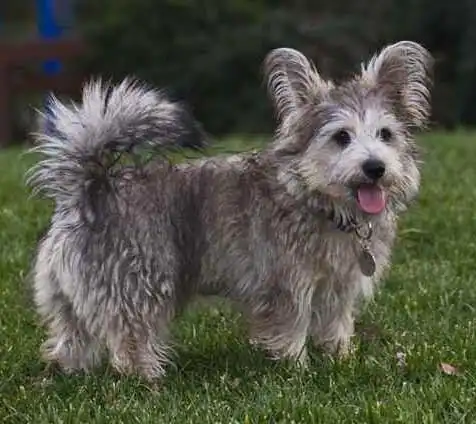
Schnorgis are an enchanting hybrid breed created by crossing a Corgi with a Schnauzer. These dogs are known for their loving yet determined personalities, thriving on companionship—whether that means accompanying their owners on a run, playing in the yard, or just relaxing together. Their appealing looks are paired with low-shedding fur, which makes grooming relatively simple. Schnorgis are versatile and can adapt to different living environments, including both houses and apartments, as long as they have plenty of opportunities to play and burn off energy. Generally, this breed is quite healthy, with a typical lifespan ranging from 12 to 15 years.
Breed Origin
The Schnorgi is a hybrid dog breed that emerges from the combination of a Corgi and a Schnauzer. Originating from Germany, Schnauzers come in three distinct sizes: Standard, Miniature, and Toy. Their name is derived from the German term "Schnauz," which translates to muzzle. During World War I, Schnauzers took on multiple roles, serving as messenger dogs, retrievers, vermin hunters, and protectors of stables and livestock. In the early 1900s, it was common for litters to include both coarse-haired Schnauzers and smooth German Pinschers. To ensure a lineage of exclusively coarse-haired Schnauzers, the German Pinscher Schnauzer Club established a breeding policy that outlined the defining traits of both breeds. Conversely, Corgis have their roots in breeds such as the Pomeranian, Keeshond, Schipperkes, and Swedish Vallhund. There are two officially recognized types of Corgis: the Pembroke Welsh Corgi and the Cardigan Welsh Corgi, with the latter being the older variety. The Cardigan Welsh Corgi is thought to have originated in Cardiganshire, brought to Britain by the Celts around 1200 B.C. The ancestors of the Pembroke Welsh Corgi were introduced to the Celts by Flemish weavers in the 1100s. Until 1934, both types of Corgis were classified as a single breed, but a show judge later recognized them as two distinct varieties. Traditionally, Corgis were utilized for various purposes, including hunting vermin, herding cattle, and safeguarding farms.
Breed Appearance
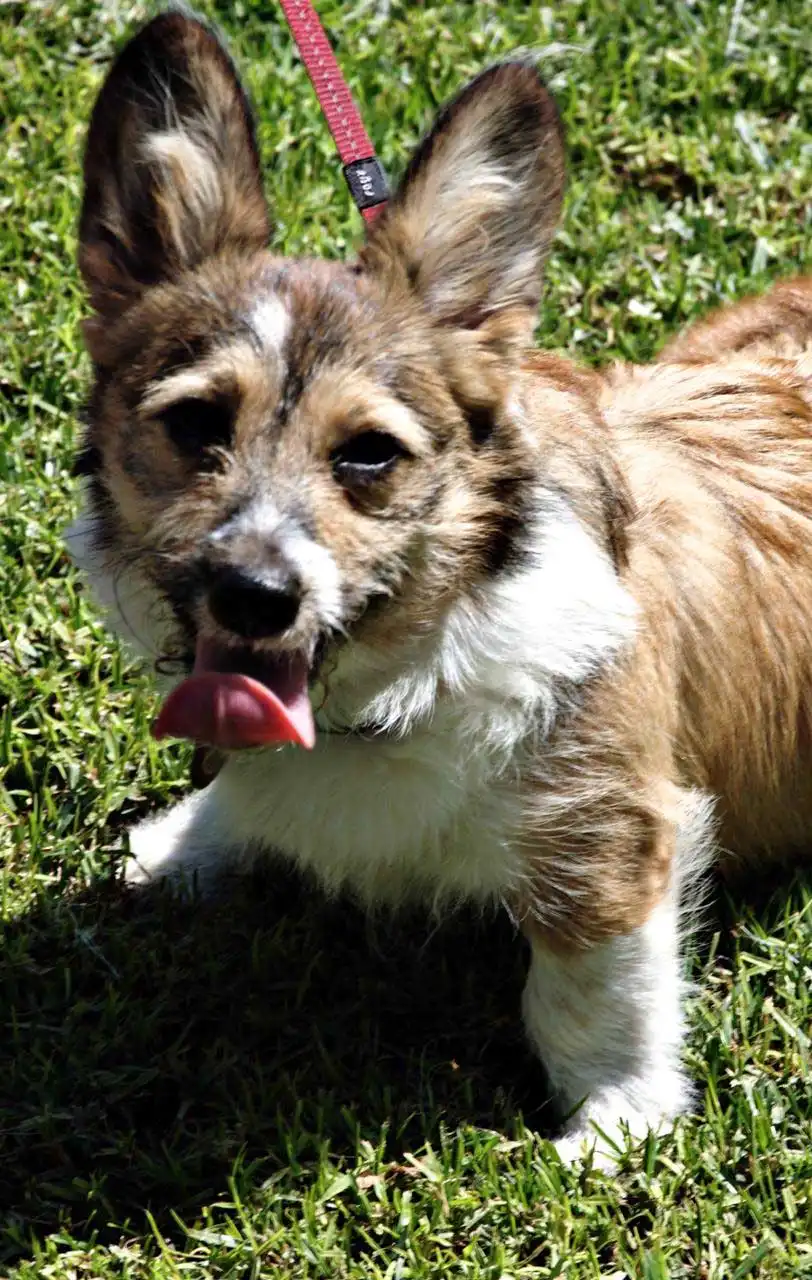
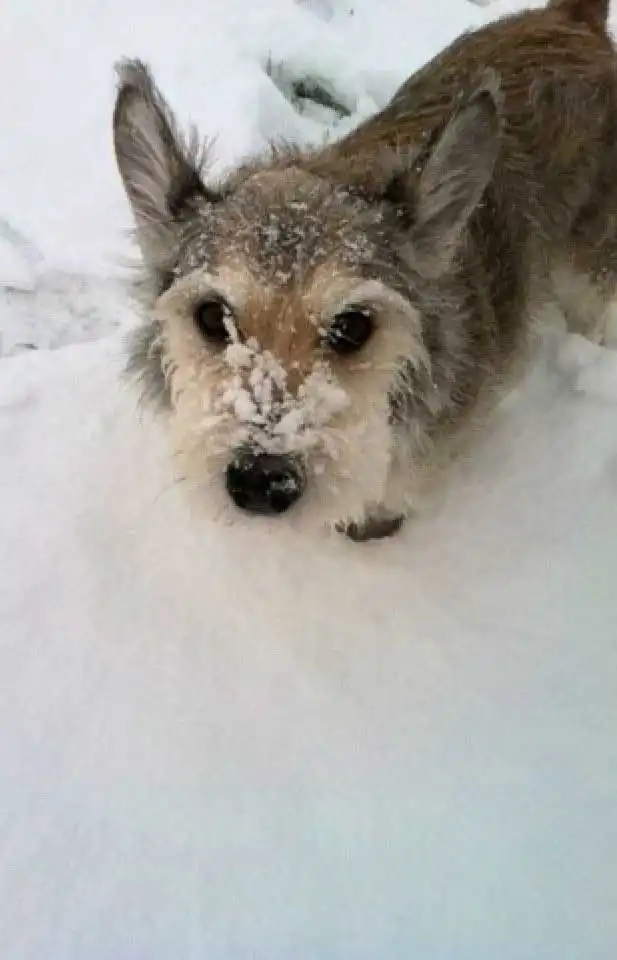
Identifying the precise look of these small designer dogs can be quite difficult due to the wide range of trait combinations. Some puppies may take after their Corgi parent more, while others might closely resemble the Schnauzer. A typical Schnorgi could exhibit a Corgi's elongated body along with the Schnauzer's unique head, resulting in a long torso supported by short, stout legs. Their ears can vary greatly; some may be large and floppy, while others stand upright. The primary colors of a Schnorgi often include yellow, black, tan, or white, frequently highlighted by whiskers on the chin and ears that may be black or grey. Furthermore, their fur typically has a wiry texture, a nod to their Schnauzer heritage. Other characteristics, such as the shape of their eyes, muzzle, paws, and tail, can be influenced by either parent, adding to the distinctive look of each dog.

Care Routine
These dogs are typically easy to care for, primarily because they shed very little. However, if your Schnorgi puppy takes after its Schnauzer lineage, you may need to trim its coat occasionally. Schnauzers, known for their dense undercoat, require daily brushing and should be fully clipped about twice a year. Additionally, the fur around their eyes and ears should be trimmed regularly. On the other hand, Corgis have a simpler grooming regimen; they only need to be brushed and combed, with baths given as necessary. For Schnorgis, it’s best to brush their teeth daily or at least two to three times a week to ensure strong teeth and healthy gums, which can help prevent bad breath and dental problems. Nail trimming should be done once or twice a month, depending on how active the dog is and how quickly their nails wear down naturally. Finally, cleaning their ears weekly is essential to avoid ear infections.
Behavior & Temperament
The Schnorgi is a remarkably loving hybrid breed that makes a fantastic companion for families, especially those with older children. These dogs are not only energetic and smart but also quite trainable. Generally, they are calm and tend to bark mainly during playtime. Their affectionate disposition leads them to enjoy snuggling and spending quality moments with their owners, further solidifying their role as charming companions. While they are typically great pets, some may show a bit of stubbornness. For these dogs, it’s important to assert your leadership early on, helping them understand your role as the authority figure. Begin teaching them respect and basic commands from a young age, utilizing positive reinforcement methods. Moreover, it’s vital to socialize your Schnorgi during puppyhood. Introducing them to different environments, people, and other animals will aid in their development, ensuring they grow up to be calm and adaptable adults.


Play & Exercise
The Schnorgi inherits its lively disposition from both the Schnauzer and the Corgi. Much like the Schnauzer, these dogs flourish with regular physical activity and need plenty of exercise. Ideally, they should have the chance to go for a brisk walk or a jog every day. It's also essential to allow them time to play and explore in a safe, enclosed space. However, it's important to avoid overexerting puppies, as their growing bodies are more prone to injury. Schnorgis, similar to their Corgi lineage, can be quite active indoors as well. Aim for around an hour of exercise each day, with at least 20 minutes as a minimum, though they will likely thrive with more. To keep their minds sharp, especially considering their intelligence, include engaging and fun games in their daily activities.
Things to Know
Cups Per Day
1.0 Cups
Daily Activity
60 Minutes
Average Lifespan
14 Years
Origin
Unknown
Type
Crossbreeds
Size
Medium
Origin Country
Unknown
Brush Frequency
Daily
Coat Texture
Wiry
Register
Your kids have been begging for a pet forever, and you've recently decided that it's time for your family to get a new addition -- a dog! While everyone is excited for the new arrival, you're wondering if you need to have a dog license. How much does it cost? Is it required? Where do you get one?
Member Clubs

PETINNATE
Other
Height & Weight
Weight
25 lbs (11 kg)Male: 25 lbs (11 kg) , Female: 25 lbs (11 kg)
Height
12 inches (30 sm)Male: 12 inches (30 sm) , Female: 12 inches (30 sm)
6 Months
8 lbs ( m 8 lbs, f 8 lbs )
6 inches ( m 6 inches, f 6 inches )
12 Months
14 lbs ( m 14 lbs, f 14 lbs )
8 inches ( m 8 inches, f 8 inches )
18 Months
25 lbs ( m 25 lbs, f 25 lbs )
10 inches ( m 10 inches, f 10 inches )
Eye Colors
Blue
Brown
Amber
Nose Colors
Black
Coat Colors
Gray
Fawn
White
Black