Schnu
Shiba Schnauzer
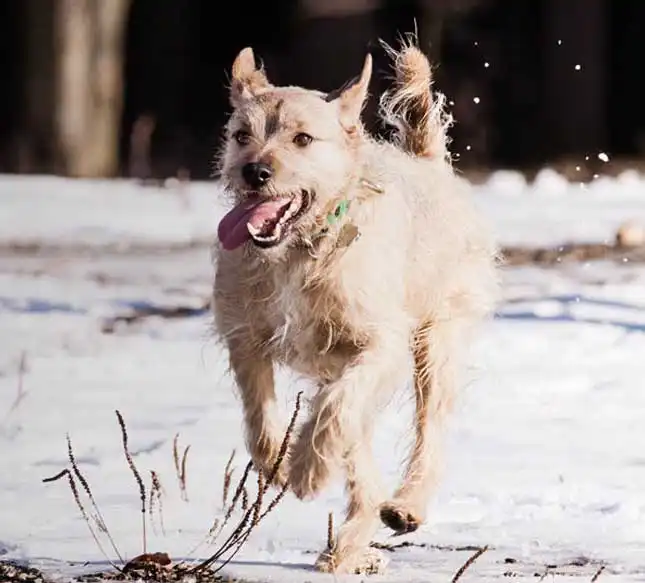
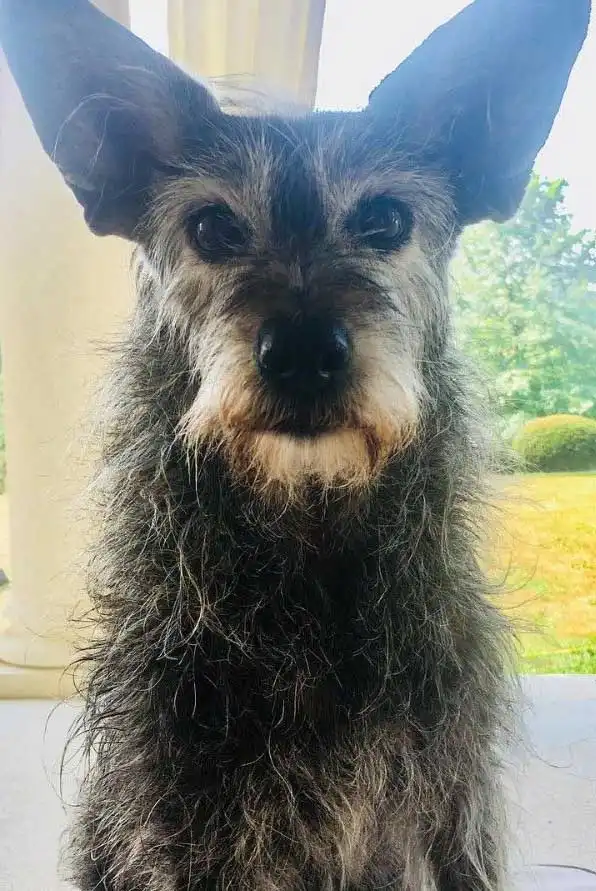
The Schnu is a charming small dog celebrated for its vibrant personality. With a resemblance to a fox, it features large, pointed ears and dark, elongated eyes. This breed is known for being friendly, bold, and occasionally a bit feisty. The Schnu is a cross between the Shiba Inu and the Miniature Schnauzer, both of which are diligent breeds with warm and engaging temperaments. As a delightful addition to any family, the Schnu loves children and has the stamina to play all day long. These dogs thrive on human interaction, often shadowing their owners and eager to lend a helping paw. Full of mischief and spirited energy, they radiate joy and possess a larger-than-life personality, often oblivious to their small size. This fearless disposition can sometimes lead them into challenging situations, making it crucial for owners to provide guidance to keep their energetic nature in check. The Schnu is intelligent, and training can be successful if approached playfully. However, if they lose interest, they can become quite stubborn, resisting any attempts to force compliance. A change in tactics, along with ample attention and praise, can motivate them to engage by presenting tasks in a more appealing way. Loyal, playful, and expressive, the Schnu is a fantastic companion and a true friend to you and your family.
Breed Origin
The Schnu dog is a relatively recent addition to the designer breed category, and as a result, its origins are not well-documented. To better understand its potential characteristics, we can look into the histories of its parent breeds. The Shiba Inu, which originates from Japan, was initially bred to assist hunters by flushing out small birds and game. However, World War II severely affected dog populations, including the Shiba Inu. Many dogs were lost during bombing raids, and those that survived faced outbreaks of distemper in the war's aftermath. The remaining Shiba Inus were mostly found in the isolated rural areas of Japan. These dogs were later included in breeding programs aimed at restoring the breed, resulting in the Shiba Inu we know today. The Japanese Kennel Club was founded in 1948, and the breed standard was established by Nihon Ken Hozonkai. Interestingly, it was an American military family that first introduced these endearing dogs to the United States in 1954. However, details about the breed's development in America are scarce until 1970. The first documented American litter of Shiba Inus was born in 1979, marking the start of the breed's increasing presence in the country. The American Kennel Club recognized the Shiba Inu in the Miscellaneous Class in 1993 and granted it full recognition in the Non-Sporting Group by 1997. These charming dogs are celebrated for their loyalty and strong-willed personalities, making them wonderful companions for families. In contrast, the Miniature Schnauzer has its roots in Germany, where it was developed in the late 19th century through the crossbreeding of the Standard Schnauzer with smaller breeds like the Miniature Pinscher, Affenpinscher, and possibly the Pomeranian. Originally bred as ratters and guardians on farms, the specifics of their development are somewhat unclear. However, it is noted that the first Miniature Schnauzer, a female named Findel, was born in 1888. Both World Wars had a significant impact on dog breeds in Europe, pushing some to the brink of extinction. Nevertheless, dedicated enthusiasts sparked renewed interest in the Miniature Schnauzer, leading to breeding programs that have helped maintain its popularity. Over the years, the breed's color palette has shifted from various shades, including red, black and tan, yellow, and parti-color, to the now-preferred black and silver. Despite these changes, the Miniature Schnauzer has preserved much of its original essence. With its distinctive long beard and bushy eyebrows, this lively dog showcases a playful and mischievous spirit. Today, while it primarily serves as a companion animal, it still displays its hunting instincts and the energetic nature typical of terriers.
Breed Appearance
The Schnauzer presents a captivating look that evokes the image of a fox, featuring prominent, pointed ears, a head that is well-balanced with its body, and a robust neck complemented by broad shoulders. While some Schnauzers proudly display the breed's signature beard and bushy eyebrows, others may lack these traits. This breed exudes elegance, showcasing a slender, proportionate build and long legs that enable quick movement. Their dense double coat gives them a soft, teddy bear-like appearance, often enhanced by a fluffy tail that arches over their back. Yet, it is their bright, attentive expression that truly draws the eye. Their faces are full of character, with large, round, expressive eyes that convey a warm and affectionate nature. The Schnauzer features a glossy black nose and a long, pointed muzzle, which can appear slightly boxy in the Miniature Schnauzer variant, with teeth that align in a scissors bite. Compact and nimble, these dogs move with impressive agility and come in a range of colors, including black, black and tan, red, brown, and more. Their small, rounded, well-padded paws provide quick acceleration, perfectly matching their energetic and lively personality.


Care Routine
The Schnu features an endearing coat that may take after its Miniature Schnauzer or Shiba Inu lineage, or it might showcase a combination of traits from both breeds. This robust double coat consists of a rough outer layer complemented by a soft, thick undercoat, necessitating brushing two to three times weekly to keep it in prime condition. Pay particular attention to the armpit area, as the fur there is prone to matting. If your Schnu inherits the Miniature Schnauzer's distinctive beard, you may need to trim around that area and the eyes. The coat's fullness often gives your dog a cuddly, teddy bear-like look. Bathing should be reserved for when your dog is particularly dirty or has an unpleasant odor; when you do bathe them, use a mild dog shampoo and ensure they are thoroughly dried afterward. It's important to trim your Schnu's nails at least once a month and brush their teeth three times a week to support good dental health and fresh breath. Since dogs are susceptible to ear infections, make ear checks a regular part of your grooming routine. Avoid inserting anything into the inner ear; instead, gently clean the outer ear with a damp, soft cloth and dry it properly. Grooming sessions also provide a great opportunity to check for any injuries or sores that may need attention. Your Schnu will appreciate this care and will likely remind you if you forget their special grooming time.
Behavior & Temperament
The Schnu is a remarkably intelligent breed, but it's important not to mistake that intelligence for obedience; this spirited little dog has a strong independent nature. They can be quite headstrong, often resisting commands and standing their ground. While this can be a source of frustration, it also contributes to their endearing and bold personality. To effectively manage their stubbornness, consider redirecting their focus before tackling the issue from a fresh angle, all while showering them with praise and affection. The Schnu thrives on attention and will respond positively when tasks are presented in an engaging manner. These energetic dogs bring immense joy and make excellent companions, ensuring that life is always lively. However, they have a pronounced prey drive and may show aggression towards other dogs, so it’s advisable to keep them leashed to prevent any altercations. Exercise caution, as they are likely to chase after quick-moving small animals like cats, squirrels, and birds, in addition to other dogs. With their bold and fearless nature, the Schnu exhibits a level of bravery that is surprising for their size. The Schnu adapts well to family life and typically gets along with children. However, they do not appreciate rough handling or interference with their toys or food, making it crucial to teach kids to respect their furry companion. They can engage in hours of play, boasting an abundance of energy that may even outlast your child during games. As a social breed, the Schnu yearns to be part of the family, eagerly participating in games, cuddles, and weekend outings. They are loyal and devoted, and if left alone for long periods, they may experience distress. Therefore, if you have limited time to spend at home, this breed may not be the ideal choice for you. The Schnu simply craves companionship! If you can dedicate time to them, you’ll find a perfect friend and a devoted family member in this delightful little dog.


Play & Exercise
The Schnu dog is an energetic and playful breed, always ready for fun, exploration, and new experiences. With its cheerful nature, this lively pup needs daily walks to help channel its abundant energy. A leisurely stroll around the neighborhood or a trip to the local dog park will bring them joy. However, they can be a bit assertive with other dogs, so it's crucial to supervise their interactions to promote good behavior. This also serves as a great chance for socialization, allowing your dog to get used to other animals and people. It's advisable to start this process as soon as you welcome your spirited puppy into your home. Initially, keep them on a leash until they adjust to being around other dogs. Before long, they will eagerly join in the fun and keep up with their playmates. At home, the Schnu will happily engage your children for hours, resembling a wind-up toy that never runs out of energy. They may show some territorial behavior over their toys, so it's wise to remind your children not to tease them by taking away their favorite items, as this could result in nipping. With plenty of exercise, socialization, and a family that appreciates the lively spirit of this little leader, the Schnu can be a delightful addition to any home.
Things to Know
Cups Per Day
1.0 Cups
Daily Activity
60 Minutes
Average Lifespan
14 Years
Origin
Unknown
Type
Crossbreeds
Size
Small
Origin Country
United States
Brush Frequency
Daily
Coat Texture
Straight
Register
Your kids have been begging for a pet forever, and you've recently decided that it's time for your family to get a new addition -- a dog! While everyone is excited for the new arrival, you're wondering if you need to have a dog license. How much does it cost? Is it required? Where do you get one?
Member Clubs

PETINNATE
Other
Height & Weight
Weight
16 lbs (7 kg)Male: 18 lbs (8 kg) , Female: 15 lbs (7 kg)
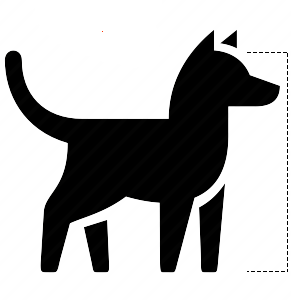
Height
14 inches (36 sm)Male: 14 inches (36 sm) , Female: 14 inches (36 sm)
6 Months
5 lbs ( m 5 lbs, f 5 lbs )
6 inches ( m 6 inches, f 6 inches )
12 Months
15 lbs ( m 15 lbs, f 15 lbs )
14 inches ( m 14 inches, f 14 inches )
18 Months
15 lbs ( m 15 lbs, f 15 lbs )
14 inches ( m 14 inches, f 14 inches )
Eye Colors
Brown
Amber
Nose Colors
Black
Coat Colors
Black
Fawn
White
Red
Brown