Schnug
The Schnug, a charming mix of Miniature Schnauzer and Pug, is rapidly winning the hearts of dog enthusiasts everywhere. This small, lively breed is not only full of cheer but also incredibly loyal to its owners, thriving on the happiness that comes from making them smile. While they may inherit a hint of stubbornness from their Schnauzer lineage, this trait can be effectively managed with patience and positive reinforcement. With a moderately strong instinct for hunting, it’s wise to keep an eye on this spirited little friend when around smaller pets. Schnugs are energetic, clever, and often quite vocal, making them a delightful addition to any home. Their playful and loving disposition allows them to quickly become beloved members of the family. These dogs have a strong desire for attention and prefer to stay close, often following you around or snuggling in your lap at a moment’s notice. Training a Schnug can be a fulfilling journey, especially when infused with a sense of enjoyment. Begin with short training sessions to help them adjust, and vary the activities to keep them engaged. They respond best to positive reinforcement, including kind words and small treats. However, it’s crucial to set clear boundaries; a gentle yet firm approach will help your Schnug develop into a well-mannered and delightful companion.
Breed Origin
The Schnug is a unique hybrid breed that results from crossing a Pug with a Miniature Schnauzer. Due to the limited information available about the Schnug's specific development, we can explore the histories of its parent breeds to gain insight into its origins. The Pug has a rich history that dates back approximately a thousand years to China, from where it was brought to Europe by the Dutch East India Company. This breed became highly favored among the aristocracy and was named the official dog of the House of Orange in 1572, following its heroic act of alerting William, Prince of Orange, to an impending Spanish invasion. The Pug also enjoyed significant popularity in France during the Napoleonic era, particularly as a beloved pet of Josephine, Napoleon's wife. Legend has it that her Pug, Fortune, was audacious enough to nip at Napoleon on their wedding night! Furthermore, Josephine ingeniously used Fortune to deliver secret messages to Napoleon while she was imprisoned at Les Carmes, cleverly concealing notes beneath the dog's collar. Although the Pug's history is not always well-documented, it is known to have been a treasured companion in Tibetan Buddhist monasteries, thriving since before 400 BC. The American Kennel Club recognized the Pug in 1885, and it has since become a cherished family pet, renowned for its affectionate, curious, and gentle demeanor. Conversely, the Miniature Schnauzer hails from Germany, where it was originally bred as a small, agile dog to control rats in homes and stables. However, it quickly became popular as a companion animal, garnering a devoted following. This breed was developed by crossing small Standard Schnauzers with the Affenpinscher and possibly the Miniature Poodle. The two World Wars presented significant challenges for all dog breeds, including the Miniature Schnauzer, but after the conflicts, dedicated enthusiasts worked tirelessly to revive the breed, leading to a resurgence in its popularity. These industrious dogs proved to be excellent farm guardians and vermin controllers. While historical records are limited, it is known that a black female Miniature Schnauzer named Findel was born in October 1888. In 1895, the first breed club was established in Cologne, Germany, although it also included other dog types. The Miniature Schnauzer soon gained international acclaim, celebrated for its distinctive beard, bushy eyebrows, and affectionate nature. This breed is anything but timid; despite its small stature, it is an outgoing extrovert that embraces life with enthusiasm. While the Miniature Schnauzer's color palette has evolved—now favoring black and silver over the earlier red, black and tan, and yellow shades—its spirited personality remains constant. The American Kennel Club classifies the Miniature Schnauzer as a Terrier, and like many Terriers, it possesses a lively character and can be quite entertaining, provided its owner maintains a position of authority.
Breed Appearance
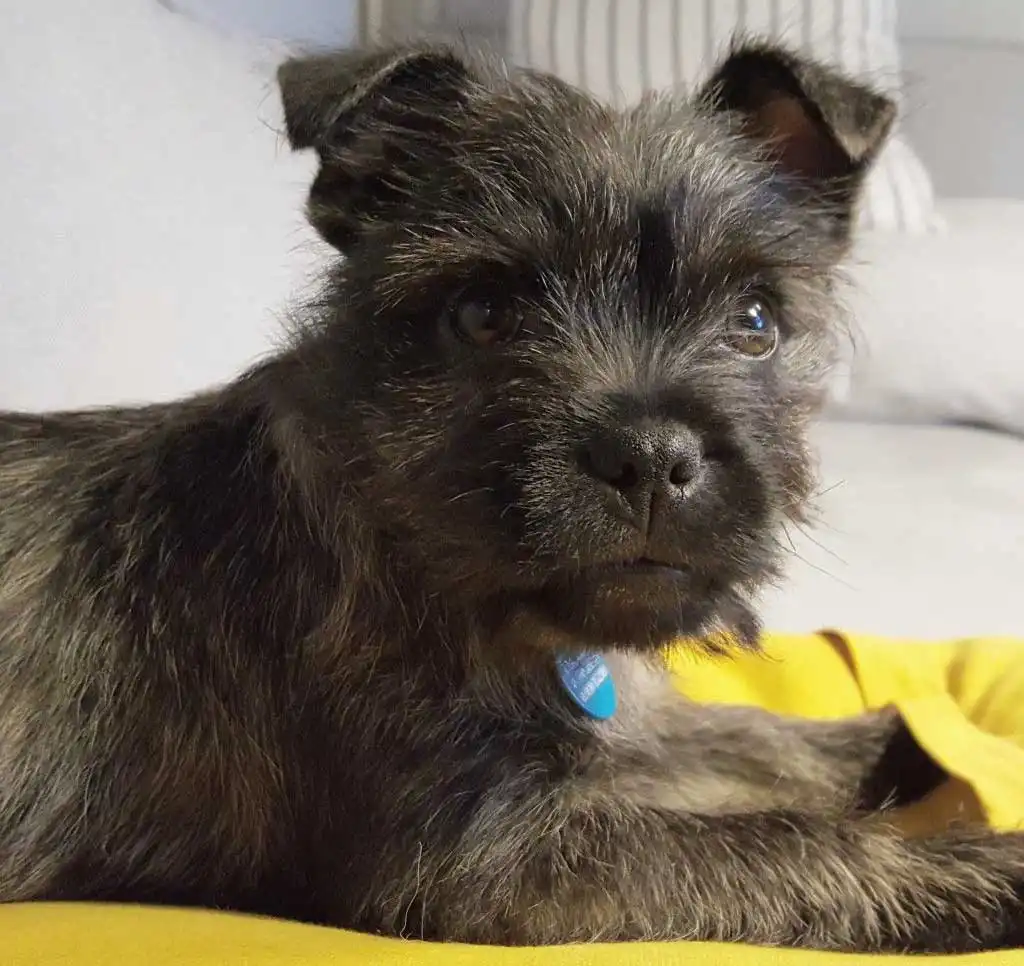
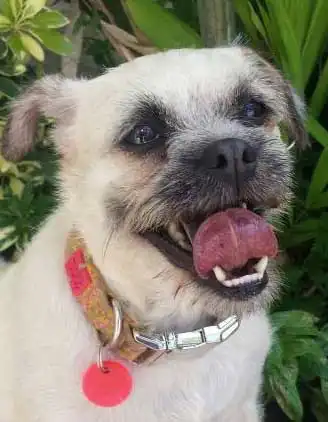
The Schnug is an endearing small breed distinguished by a body that is longer than it is tall, which often gives it a somewhat square appearance. Its legs are generally short, slender, and sturdy, culminating in small, well-cushioned paws. This breed has a narrow chest and a head that seems relatively large in proportion to its body. Depending on the individual, a Schnug may possess either a short, pointed muzzle or the characteristic flat nose of a Pug, complete with a glossy black nose. Those with the flat nose may find it challenging to cope in hot weather, requiring a cooler environment to breathe comfortably. Their large, round eyes, which can be quite striking, gleam with a playful enthusiasm and a touch of mischief, enhancing their seemingly innocent expression. The head is rounded, featuring triangular ears that hang down beside it. Additionally, Schnugs often have a curly tail that arches over their back. This breed comes in a variety of colors, from fawn to brown, frequently embellished with black markings, especially on the face. Renowned for their spirited personality, Schnugs are wonderful companions and are skilled at alerting their owners to the presence of newcomers.

Care Routine
The Schnug is relatively easy to care for, needing brushing every two to three days to maintain a healthy coat and prevent tangles. A firm bristle brush or comb is effective for evenly distributing their fur and removing loose hair. When it comes to bathing, choose a gentle dog shampoo that protects their skin and retains the natural oils and weather resistance of their coat. It's advisable to introduce tooth brushing to young puppies early on; start with short sessions to help them get accustomed to this routine. Additionally, keep an eye on their ears, as dirt and wax can build up and potentially cause infections, leading to various health problems. Use a soft, damp cloth to gently clean the inside of their ears, and make sure to dry the area afterward to support their overall health. If your Schnug's nails grow too long, a light trim once a month should be sufficient to keep them at a manageable length. Most dogs enjoy the grooming process, which also serves as a great opportunity to check for any sores or infections, as they often conceal their discomfort. Investing time in your pet's care will be appreciated, and they will enjoy the attention!
Behavior & Temperament
The Schnug resembles a character straight out of a children's storybook, embodying a delightful whimsy that captivates the imagination. With their playful behavior, charming looks, and cheeky disposition, they would undoubtedly inspire enchanting tales if their adventures were ever documented. These dogs are curious, joyful, and full of spirit, making them exceptional companions and cherished members of the family. They interact well with children and adapt seamlessly to living alongside other pets. Renowned for their intelligence, Schnugs respond well to training, but it’s crucial to keep sessions fun and concise; if their focus starts to drift, it’s a good idea to change the activity. Like many dogs, they thrive on affection and praise, and a treat now and then can certainly enhance their motivation. While they have a fair amount of energy, they are not excessively hyper. They enjoy participating in family games but are just as content to curl up on your lap while you read or watch television. Despite their small stature, they are quite vigilant and will bark loudly to alert you to any approaching strangers. Initially, they may be reserved around unfamiliar faces, but once they feel comfortable, they will eagerly claim another lap as their own. Their short, straight coat requires minimal grooming, making maintenance straightforward. Grooming sessions can also be a wonderful bonding experience, as they love being pampered and receiving your full attention. Friendly and eager to please, Schnugs can sometimes show a stubborn streak. In such cases, it’s best to adjust your approach and revisit the task later with a fresh mindset. Offering plenty of praise will encourage your Schnug to seek your approval. These dogs thrive on companionship, so they flourish in homes where someone is usually present. Whether in a small yard or an apartment, as long as they have your company and a daily walk, Schnugs will be completely satisfied.


Play & Exercise
The Schnug is an energetic little dog with a well-balanced temperament. Regular walks are vital for their physical fitness and social skills, both of which are essential for their overall development. Given their strong hunting instincts, it’s wise to keep them leashed, as they might chase after small animals, even if you call them back. These friendly and playful dogs flourish in secure dog parks, where they can run and play with other dogs. They also love a variety of toys and enjoy participating in family games that challenge their curious minds. While they need plenty of physical activity, they equally crave quality time spent with you. Be prepared for them to claim your lap as their favorite spot, snuggling up whenever they can. Schnugs adapt well to both apartments and homes with small yards, but they are primarily indoor dogs. They would be quite surprised if you suggested they sleep outside in a kennel and would likely voice their displeasure. If you’re looking for a dog that can stay outdoors, the Schnug might not be the best choice for you. They thrive on companionship and will undoubtedly bring joy to your family with their cheerful personality.
Things to Know
Cups Per Day
1.0 Cups
Daily Activity
45 Minutes
Average Lifespan
14 Years
Origin
Unknown
Type
Crossbreeds
Size
Small
Origin Country
United States
Brush Frequency
Weekly
Coat Texture
Straight
Register
Your kids have been begging for a pet forever, and you've recently decided that it's time for your family to get a new addition -- a dog! While everyone is excited for the new arrival, you're wondering if you need to have a dog license. How much does it cost? Is it required? Where do you get one?
Member Clubs
PETINNATE
Other
Height & Weight
Weight
20 lbs (9 kg)Male: 21 lbs (10 kg) , Female: 19 lbs (9 kg)
Height
12 inches (30 sm)Male: 13 inches (33 sm) , Female: 11 inches (28 sm)
6 Months
8 lbs ( m 8 lbs, f 8 lbs )
5 inches ( m 5 inches, f 5 inches )
12 Months
12 lbs ( m 12 lbs, f 12 lbs )
11 inches ( m 11 inches, f 11 inches )
18 Months
18 lbs ( m 18 lbs, f 18 lbs )
18 inches ( m 18 inches, f 18 inches )
Eye Colors
Brown
Amber
Nose Colors
Black
Coat Colors
Black
Brown
Red
Cream
Fawn