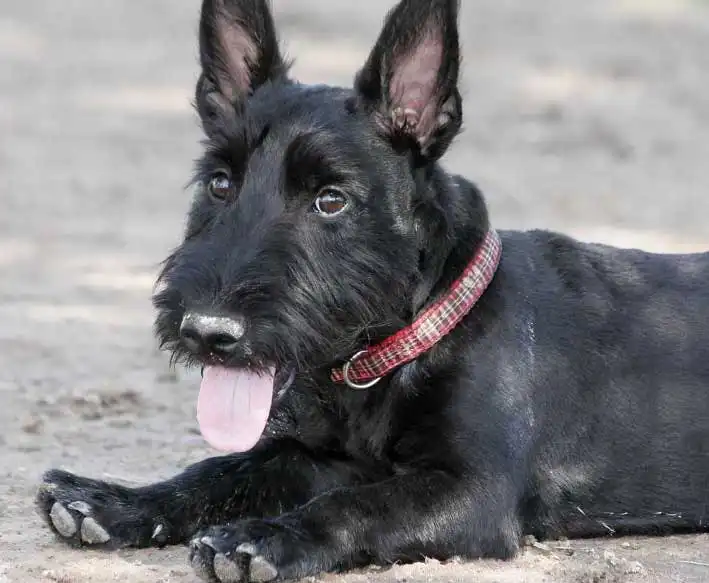
Scobo Terrier
The Scobo Terrier is a hybrid breed that emerges from the crossbreeding of the Scottish Terrier and the Boston Terrier. This small dog typically weighs up to twenty-five pounds at maturity. Renowned for his loving disposition, he develops strong attachments to all family members, especially enjoying the presence of children. Although he doesn't require a high level of activity, a moderate amount of daily exercise is essential to keep him healthy and to stave off boredom, which can lead to mischievous behavior. The Scobo Terrier is quite clever and tends to be easy to train. Depending on the coat type he inherits, grooming needs may be minimal. In summary, he is a loyal companion, making him an excellent addition to any family.
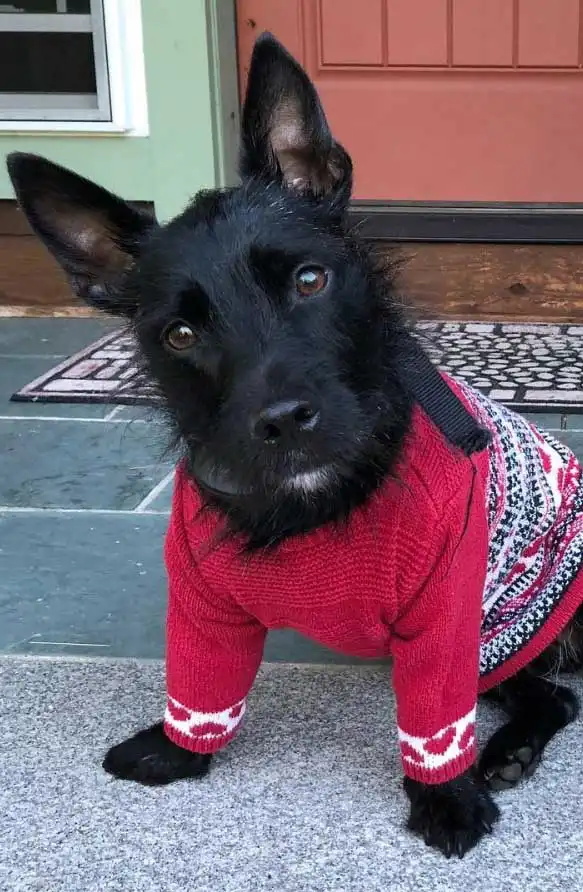
Breed Origin
The Scobo Terrier is a mixed breed dog that, while not particularly uncommon, has limited information available about its origins. To better understand this hybrid, we can delve into the histories of its parent breeds. The Boston Terrier is a classic American breed, created through the crossbreeding of Bulldogs and the now-extinct English White Terrier. Its lineage can be traced back to a dog named Judge, owned by Robert C. Hooper from Boston. Judge weighed approximately thirty-two pounds, making him larger than the Boston Terriers we see today. He was bred only once to a twenty-pound white dog named Kate, resulting in a single puppy. Although this puppy was not particularly attractive, it exhibited traits that breeders found appealing, prompting further breeding efforts. A notable descendant of this lineage was Tobin's Kate, who is thought to have been crossed with French Bulldogs to produce a smaller variant of the breed. Historically, the Boston Terrier was known as the bullet head dog or Boston bulldog. The Boston Terrier Club was founded in 1899, and the breed gained official recognition from the American Kennel Club in 1893. Conversely, the Scottish Terrier, as we know it today, has its roots in Scotland, although its exact origins are somewhat murky. Pliny the Elder described a dog resembling the Scottie as early as 55 B.C. The Scotch Terrier, considered a forerunner of the breed, was naturally inclined to hunt. Don Leslie also referenced a small dog similar to the modern Scottish Terrier in his book, A History of Scotland. The Scotch Terrier was low to the ground and often used in quarry work. In an attempt to impress French royalty, James I of England sent several dogs, which are believed to have played a role in the evolution of what we now recognize as the modern Scottish Terrier.
Breed Appearance
The Scobo Terrier is a small, sturdy breed that typically reaches a weight of around twenty pounds, with a maximum limit of twenty-five pounds. This compact dog is characterized by its short, strong legs and a robust body. Its dark eyes, which can appear somewhat prominent, reflect its Boston Terrier heritage. Erect ears are a distinctive feature of this breed, and its coat is usually dark, varying from solid black to black with brown markings, as well as shades of brown or brindle. Although uncommon, some Scobo Terriers may have white markings on their faces. The coat's texture can differ depending on the dominant parent breed, ranging from short and straight to longer and wiry. Additionally, some individuals may have a "beard," a trait linked to their Scottish Terrier ancestry, though this characteristic is influenced by genetics.


Care Routine
The Scobo Terrier is typically easy to care for, no matter what type of coat he has. A weekly brushing is usually enough to control loose hair. However, during the spring and fall when shedding is more pronounced, it's recommended to increase brushing to two or three times a week to reduce hair on your clothes and furniture. Only give him a bath when absolutely necessary, as his coat's natural oils help keep it clean and shiny. To support dental health and combat bad breath, aim to brush his teeth two to three times a week, although daily brushing is preferable to prevent tartar buildup. Additionally, trim his nails every two to three weeks unless they wear down naturally. A useful tip is to listen for the sound of his nails clicking on tile floors; if you hear that, it’s time for a trim.
Behavior & Temperament
The Scobo Terrier is a loving and delightful breed. Renowned for his keen intelligence, he also exhibits a playful and sometimes mischievous nature that keeps his owners amused. This dog is sociable and greets most strangers with enthusiasm. Although he may bark and act defensively when someone approaches the door, he generally welcomes visitors warmly once they come inside. He is especially good with children and tends to be quite protective of them. Training this breed is fairly simple, but it requires consistency. For successful housebreaking, it's advisable to take him outside at the same time every day, and he will quickly grasp your expectations. His desire to please makes him an eager learner. However, prospective owners should note that the Scobo Terrier may suffer from separation anxiety, which could make him less ideal for those who are often away from home. While he is an effective watchdog, alerting you to any unusual happenings, he is more likely to befriend a stranger than to act as a deterrent to intruders.


Play & Exercise
The Scobo Terrier does not need a lot of exercise to stay happy. However, to promote his overall health, it's crucial to engage him in several brief play sessions throughout the day. These interactions not only stave off boredom but also keep him mentally stimulated. If the Scobo Terrier becomes bored, he might develop destructive habits, like chewing on shoes and other items. He will enjoy trips to the dog park, and with proper training, he should be able to roam off-leash and respond well to your commands. Outdoor playtime will also be enjoyable for him, as long as you keep an eye on him. It's important to note that his parent breed, the Boston Terrier, is susceptible to brachycephalic syndrome. Therefore, take care to prevent overheating or excessive exertion, as these can lead to serious health problems. Always ensure he has access to water on warm days and allow him to take breaks when necessary.
Things to Know
Cups Per Day
1.0 Cups
Daily Activity
30 Minutes
Average Lifespan
14 Years
Origin
Unknown
Type
Crossbreeds
Size
Small
Origin Country
Unknown
Brush Frequency
Weekly
Coat Texture
Straight
Register
Your kids have been begging for a pet forever, and you've recently decided that it's time for your family to get a new addition -- a dog! While everyone is excited for the new arrival, you're wondering if you need to have a dog license. How much does it cost? Is it required? Where do you get one?
Member Clubs

PETINNATE
Other
Height & Weight
Weight
20 lbs (9 kg)Male: 23 lbs (10 kg) , Female: 18 lbs (8 kg)
Height
16 inches (41 sm)Male: 17 inches (43 sm) , Female: 15 inches (38 sm)
6 Months
6 lbs ( m 6 lbs, f 6 lbs )
6 inches ( m 6 inches, f 6 inches )
12 Months
9 lbs ( m 9 lbs, f 9 lbs )
11 inches ( m 11 inches, f 11 inches )
18 Months
14 lbs ( m 14 lbs, f 14 lbs )
14 inches ( m 14 inches, f 14 inches )
Eye Colors
Hazel

Brown
Nose Colors
Black
Coat Colors
Brindle
Brown
Black