Scoland Terrier
Scotland Terrier, Wescot
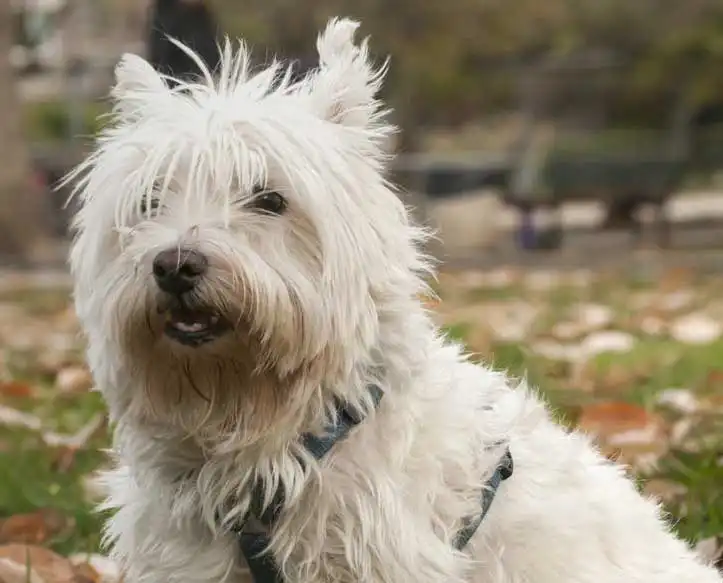
The Scoland Terrier is a charming mix of the Scottish Terrier and the West Highland White Terrier, both originating from Scotland. This hybrid represents the ideal terrier, combining playfulness, intelligence, loyalty, affection, and energy with a dash of spirited courage, all encapsulated in an irresistibly cute puppy that is bound to win your heart. Beyond being a source of joy and companionship, the Scoland Terrier also serves as a loyal guardian for you and your family, all while showcasing its delightful and lively nature.
Breed Origin
The Scoland Terrier is a mixed breed that merges the Scottish Terrier with the West Highland White Terrier, often referred to as the Westie. Unfortunately, there is scant historical information available specifically about this hybrid, so we must turn to the histories of its parent breeds for context. Both breeds originate from Scotland, making this hybrid a genuine embodiment of the canine legacy of the United Kingdom. The Scottish Terrier's ancestry can be traced back to the 1500s, with early references found in a work by Don Leslie. Some sources even connect its lineage to Pliny the Elder, who, during the Roman conquest of Britain in 55 B.C., described a "small dog that pursued its prey underground." While the precise origins are somewhat ambiguous, it is generally accepted that the Scottish Terrier evolved from the Aberdeen Terrier, part of a broader category known as Skye Terriers, which eventually diversified into several distinct breeds, including the Scottish Terrier we recognize today. Originally bred for hunting foxes and managing vermin, the spirited and confident Scottish Terrier was officially recognized by the American Kennel Club in 1885 and currently ranks as the 58th most popular breed in their registry. Similarly, the West Highland White Terrier's origins also trace back to the 1500s, where it was bred in the Scottish Highlands for hunting small game. These dogs were prevalent in mining towns, farms, villages, and gardens, where they played a crucial role in controlling vermin populations. Initially, Westies had a red coat, but after one was accidentally shot due to its fox-like appearance, breeders began favoring lighter-colored coats, ultimately leading to the white fur we see today. The American Kennel Club recognized the Westie in 1908, and it is now the 41st most popular breed in their registry. The Scoland Terrier hybrid is recognized by various organizations, including the American Canine Hybrid Club, the Designer Breed Registry, the Designer Dogs Kennel Club, the Dog Registry of America, and the International Designer Canine Registry.
Breed Appearance
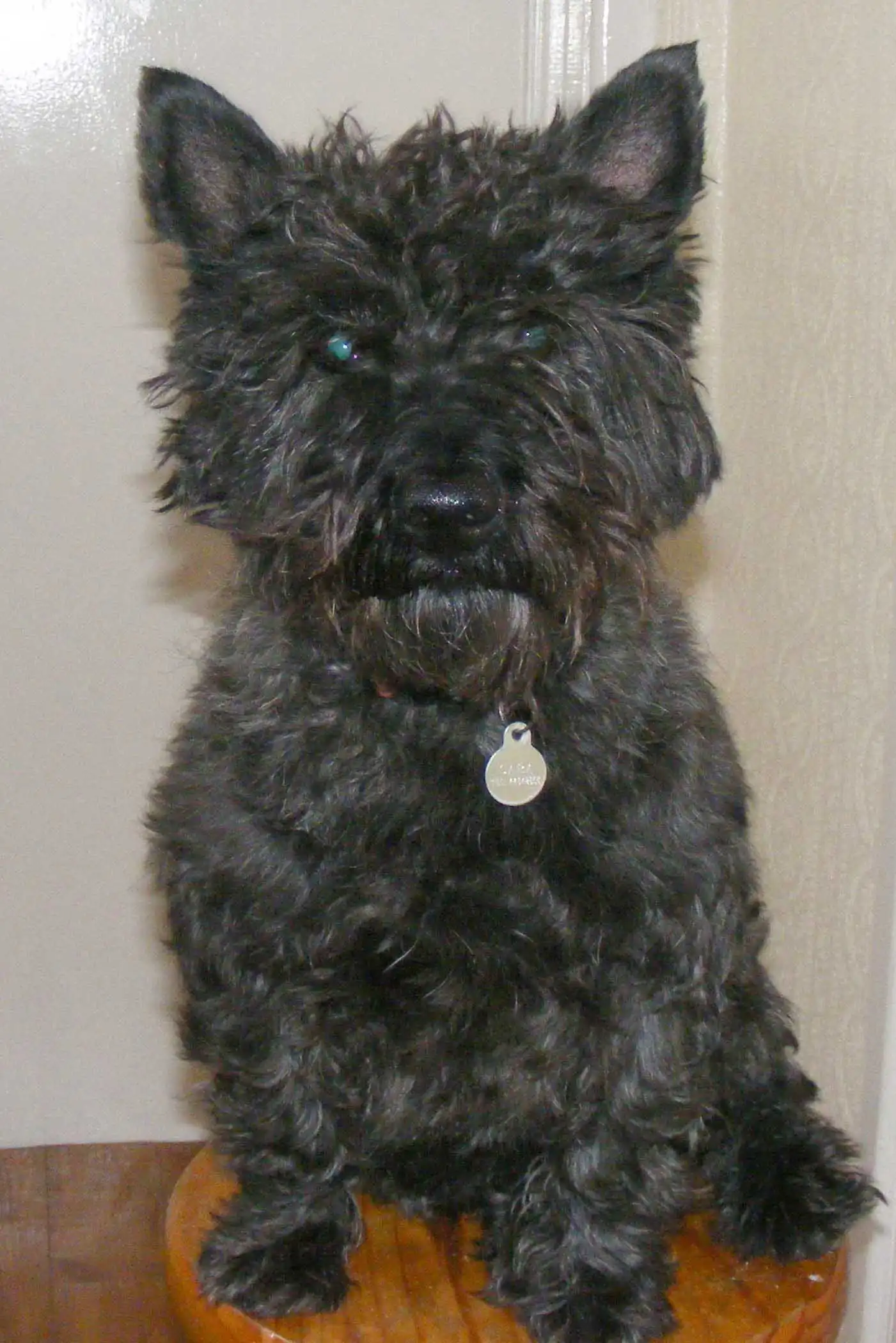
The Scoland Terrier is a hybrid breed that emerges from the crossbreeding of the Scottish Terrier and the West Highland White Terrier, commonly known as the Westie. This breed can showcase a variety of physical characteristics inherited from one or both of its parent breeds. Breeders and owners note that the Scoland Terrier often has a head that resembles that of the Westie, while its body tends to align more closely with that of the Scottish Terrier. Typically, these dogs are primarily black with white markings, although some individuals may also exhibit a wheaten hue. Their eyes are round, bright, and dark, paired with a black nose and a scissors bite. The ears are small to medium in size, standing erect and shaped like triangles. The tail is of medium length, covered in fluffy fur, and the coat is wiry or coarse, featuring a double layer with a soft, dense undercoat that usually measures about 2 inches long.


Care Routine
The Scoland Terrier is a mixed breed that requires a moderate level of care. It boasts a medium-length, thick, and dense double coat that sheds at a moderate pace. To ensure your Scoland Terrier remains in top condition, it’s advisable to brush her at least once a week. This routine helps remove loose hair, debris, mats, and tangles, while also aiding in the distribution of natural oils throughout her fur. Beyond grooming, it’s crucial to check her ears weekly, cleaning them as needed with a cotton ball and a veterinarian-recommended ear wash. While you’re grooming her, remember to examine her toenails and trim them if they haven’t naturally worn down through regular activity. As with all dog breeds, the Scoland Terrier benefits from having her teeth brushed two to three times a week. This practice is vital for preventing periodontal disease and the potential for tooth loss. Furthermore, this breed is characterized by low levels of drooling and minimal odor.
Behavior & Temperament
The Scoland Terrier is a mixed breed that merges the characteristics of the Scottish Terrier and the West Highland White Terrier, resulting in a unique blend of personality traits and temperaments from both parent breeds. Owners and breeders frequently describe these dogs as playful, loving, intelligent, and lively—traits that are typical of terriers. They possess a keen awareness of their surroundings and their human companions, demonstrating a notable intelligence that enables them to adjust to changes in their environment and family dynamics. To foster positive interactions with children and strangers, early socialization is essential, particularly in homes with other pets. It's crucial to remember that their strong hunting instincts, inherited from their ancestors, are deeply ingrained, along with a natural inclination to dig. While some digging behaviors can be modified through training, their hunting instincts are not easily subdued. Training can prove challenging due to the independence and stubbornness inherited from their lineage, so it’s advisable to take a gradual approach, beginning with basic commands and building upon them. Although they are not prone to excessive barking, they will alert you to unfamiliar individuals or unusual occurrences. The high energy levels they inherit from both parent breeds necessitate daily management. Their innate curiosity, fueled by their hunting instincts, can lead to mischief if they are left alone for long periods, often resulting in destructive behaviors stemming from boredom.


Play & Exercise
The Scottish Terrier is an energetic little friend that thrives on daily walks, ample playtime at the dog park or in a secure backyard, and stimulating activities such as fetch, Frisbee, and flyball, along with obedience and agility training. It's important to set aside 1 to 2 hours each day to meet her exercise requirements. Moreover, she will likely desire your undivided attention, often content to snuggle on your lap or beside you in a comfy chair or bed while you relax with a book or watch television. Thanks to her petite size, she can comfortably live in an apartment or condo, provided you maintain a regular exercise schedule to channel her lively nature. She also adapts well to family homes, whether they feature a fenced yard or not, and can thrive in both urban and rural settings across various climates, as long as she has adequate shelter from extreme weather conditions. Be aware that she has a natural tendency to dig, so it's wise to anticipate this behavior. Fenced yards may not contain her unless you establish a specific digging area. It is highly recommended to keep her on a leash when outside, whether in a fenced yard or similar enclosure, due to her strong hunting instincts. Without this precaution, you might find yourself chasing her through the neighborhood or getting caught in thickets as she pursues a small animal or an enticing scent.
Things to Know
Cups Per Day
1.0 Cups
Daily Activity
60 Minutes
Average Lifespan
13 Years
Origin
Unknown
Type
Crossbreeds
Size
Small
Origin Country
Unknown
Brush Frequency
Weekly
Coat Texture
Wiry
Register
Your kids have been begging for a pet forever, and you've recently decided that it's time for your family to get a new addition -- a dog! While everyone is excited for the new arrival, you're wondering if you need to have a dog license. How much does it cost? Is it required? Where do you get one?
Member Clubs

PETINNATE
Other
Height & Weight
Weight
19 lbs (9 kg)Male: 19 lbs (9 kg) , Female: 19 lbs (9 kg)
Height
11 inches (28 sm)Male: 11 inches (28 sm) , Female: 11 inches (28 sm)
6 Months
13 lbs ( m 13 lbs, f 13 lbs )
8 inches ( m 8 inches, f 8 inches )
12 Months
18 lbs ( m 18 lbs, f 18 lbs )
10 inches ( m 10 inches, f 10 inches )
18 Months
18 lbs ( m 18 lbs, f 18 lbs )
10 inches ( m 10 inches, f 10 inches )
Eye Colors
Brown

Coat Colors
Black

Fawn