Shelchon
Sheltie Bichon
The Shelchon, commonly known as the Sheltie Bichon, is a medium-sized designer dog that emerges from the crossbreeding of a purebred Shetland Sheepdog and a purebred Bichon Frise. This breed is available in a range of colors, such as white, brown, tan, cream, black, and sable, and boasts medium to long, thick, double-layered coats that are often soft and slightly wavy. Renowned for their affectionate and joyful nature, Shelchons are wonderful companions for families. They typically interact well with children, although they may show some caution around strangers. These dogs are naturally curious and full of energy, but they can also be prone to excessive barking. Furthermore, they have a strong herding instinct, which might lead them to try to herd smaller animals, occasionally resulting in nipping. Grooming these dogs can be quite labor-intensive due to their tendency to shed significantly.
Breed Origin
The Shelchon is a mixed breed dog that results from the combination of a purebred Shetland Sheepdog and a purebred Bichon Frise. Initially developed as guard dogs for farmers in the Shetland Islands, situated off the coast of Scotland, these dogs were also tasked with protecting small sheep flocks from birds. The Shetland Islands are renowned for their varied small animal species, including the Shetland Pony. Shetland Sheepdogs, often referred to as Shelties, bear a resemblance to smaller Rough Collies, yet they are classified as a separate breed. Their ancestry is believed to include breeds such as the King Charles Spaniel and the Pomeranian. Historically, these dogs were known as “Toonie” dogs, meaning farm dogs. Some were transported to the United Kingdom, where early breeders began to cross them with rough-coated Collies. They were initially called Shetland Collies, but this name was later discarded due to pushback from Collie breeders. The American Kennel Club officially recognized the Shetland Sheepdog in 1911. Conversely, the Bichon Frise traces its roots back to the island of Malta in the Mediterranean and shares lineage with breeds such as the Coton de Tulear, Bolognese, Havanese, and Maltese. The Barbet, a fluffy water dog, is thought to be one of the ancestors of the Bichon, and some believe the name Bichon comes from “barbichon,” a diminutive of barbet. Historical documents from the 14th century suggest that French sailors brought these dogs back from Tenerife, one of the Canary Islands. Their charming disposition made them popular in Spain, where they were even featured in paintings by Goya. However, they eventually fell out of favor with the aristocracy and found a new role as circus performers, captivating audiences with their delightful antics. The breed standard for the Bichon Frise was established in France in 1933. This breed arrived in the United States in 1956, and the Bichon Frise Club of America received recognition from the American Kennel Club in 1975.
Breed Appearance
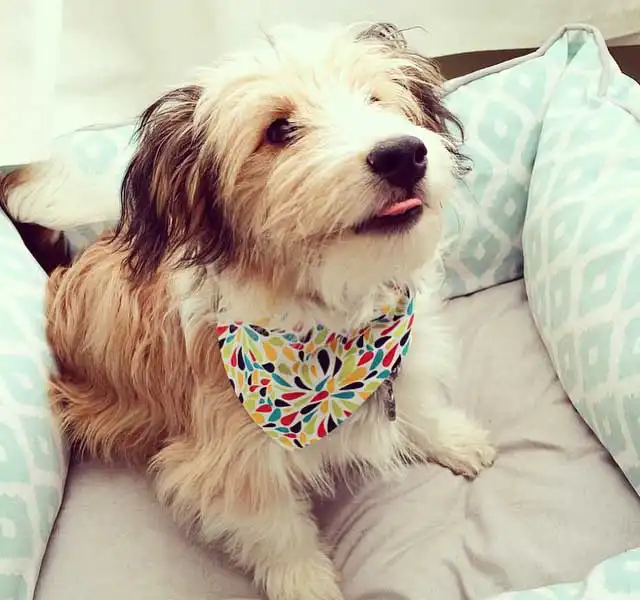
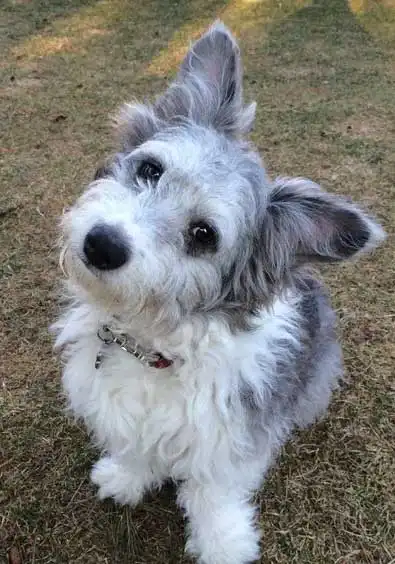
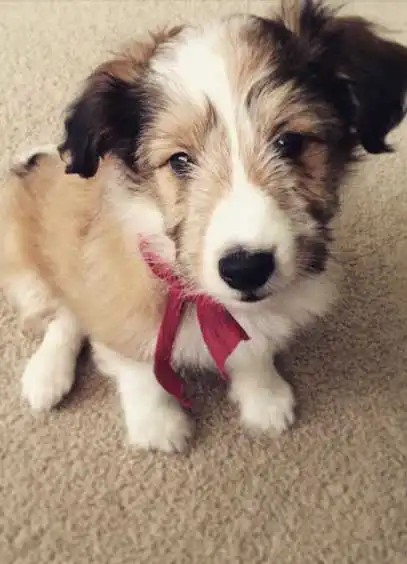
The Shelchon is a medium-sized hybrid breed known for its rounded head and short muzzle. This breed results from crossing a purebred Shetland Sheepdog with a purebred Bichon Frise, combining characteristics and appearances from both lineage. Common coat colors include white, brown, tan, cream, black, and sable, and they usually sport medium to long, thick double coats. Their fur is soft and slightly wavy, reminiscent of the Bichon Frise. The Shelchon has round, dark brown eyes that express an alert and inquisitive nature, paired with a black nose. Their tails are typically long and feathery, and their ears are set high on the head.

Care Routine
The Shelchon is recognized for its considerable shedding, which necessitates weekly brushing to keep loose hair under control. During specific times of the year, shedding may intensify, requiring daily grooming efforts. This breed is also prone to allergies, making regular grooming practices crucial. Occasional trimming is recommended, and enlisting the help of a professional groomer can make this task easier. Bathing should be done sparingly, and it’s vital to ensure they are completely dried afterward. If they inherit characteristics from the Bichon Frise, they may develop tear stains that can be easily wiped away. It's important to regularly check their ears for any dirt or debris, and daily tooth brushing is advised. Additionally, nails should be trimmed as necessary to avoid overgrowth.
Behavior & Temperament
The Shelchon is a remarkably intelligent breed, celebrated for its friendly nature and charm. These dogs flourish as devoted family companions, relishing the time spent with their loved ones. They are not fond of being alone and may resort to destructive behaviors if left unattended for long periods. While they can be wonderful playmates for children, they often approach unfamiliar people with caution. Their natural tendency to bark at strangers makes them effective watchdogs, and despite their smaller stature, they can be quite protective. To ensure they adapt well to other pets in the household, early training and socialization are crucial, as they have a strong herding instinct that may lead them to bark or nip when overly excited. Overall, Shelchons are affectionate and playful, which makes them relatively easy to train. Their high level of intelligence enables them to quickly learn commands, and they respond best to positive reinforcement techniques. With their curious and energetic disposition, they are particularly well-suited for first-time dog owners.


Play & Exercise
A Shelchon is an energetic breed that flourishes with plenty of physical activity, making them ideal companions for games such as flyball or frisbee. They thoroughly enjoy trips to the dog park or beach; however, it’s crucial to keep them on a leash due to their strong hunting and herding instincts. To keep them mentally stimulated and to avoid boredom—which can result in destructive behaviors and excessive barking—they need a good amount of both mental and physical engagement. These dogs love to play, whether inside or outside. They can adapt to apartment living as long as they get daily exercise. They are resilient to various weather conditions, feeling comfortable in both winter and summer, but it’s advisable to steer clear of exercising them during the hottest parts of the day.
Things to Know
Cups Per Day
3.0 Cups
Daily Activity
45 Minutes
Average Lifespan
14 Years
Origin
Unknown
Type
Crossbreeds
Size
Small
Origin Country
United States
Brush Frequency
Weekly
Coat Texture
Wavy
Register
Your kids have been begging for a pet forever, and you've recently decided that it's time for your family to get a new addition -- a dog! While everyone is excited for the new arrival, you're wondering if you need to have a dog license. How much does it cost? Is it required? Where do you get one?
Member Clubs

PETINNATE
Other
Height & Weight
Weight
19 lbs (9 kg)Male: 20 lbs (9 kg) , Female: 18 lbs (8 kg)
Height
11 inches (28 sm)Male: 11 inches (28 sm) , Female: 10 inches (25 sm)
6 Months
13 lbs ( m 13 lbs, f 13 lbs )
6 inches ( m 6 inches, f 6 inches )
12 Months
18 lbs ( m 18 lbs, f 18 lbs )
10 inches ( m 10 inches, f 10 inches )
18 Months
18 lbs ( m 18 lbs, f 18 lbs )
10 inches ( m 10 inches, f 10 inches )
Eye Colors
Brown

Nose Colors
Black
Coat Colors
White
Brown
Fawn
Black
Sable