Shelillon
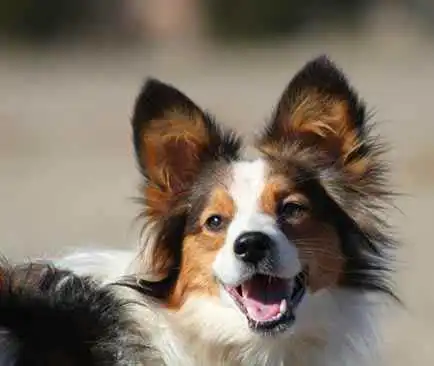
The Shelillion is a carefully crafted hybrid that merges the Shetland Sheepdog, a small and spirited breed recognized for its distinctive coat originating from the Shetland Islands, with the highly intelligent and cherished Papillon from Europe. While their long fur necessitates a bit more grooming than average, those that inherit the Papillon's smooth, single-layer coat will find maintenance easier than those with the Sheltie's dense double coat. With appropriate socialization and training, these dogs are generally friendly and energetic around people and animals of all ages, although some may show signs of shyness or reserve with strangers. These versatile little dogs can thrive in either a spacious home with a yard or an apartment, as long as their barking habits are kept in check.
Breed Origin
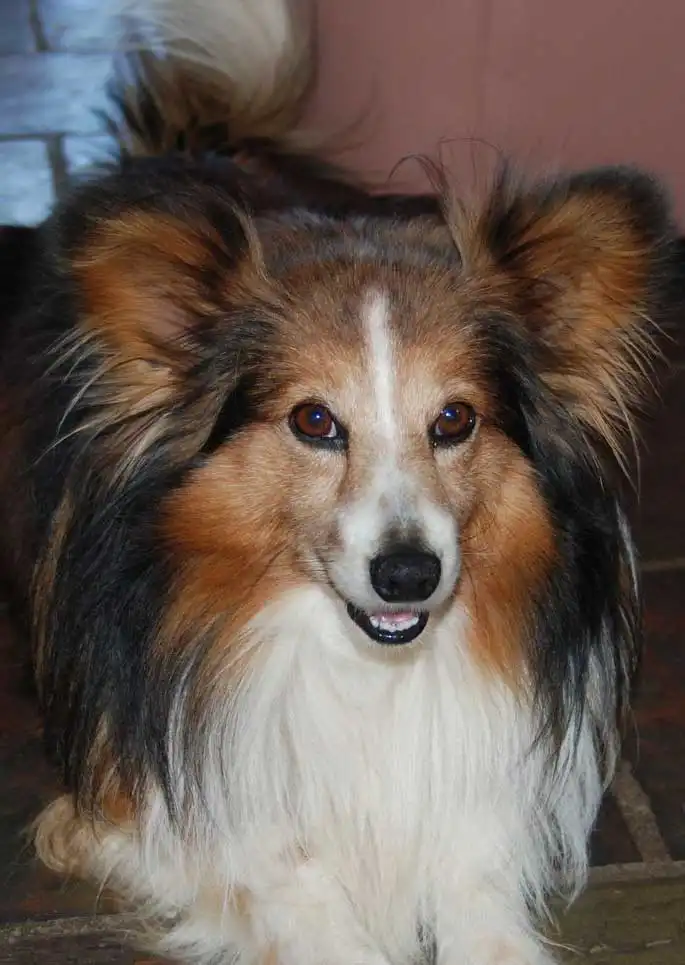
The Shelillon is a small designer dog, purposefully created by crossing the Shetland Sheepdog with the Papillon. The Shetland Sheepdog, a sturdy little farm dog from the Shetland Islands off the coast of Scotland, has an ambiguous ancestry. While it shares similarities with the rough-coated Collies we are familiar with, it stands out as a distinct breed that arose from a mix of various dog types. Experts suggest that breeds such as the Scotch Collie, Border Collie, King Charles Spaniel, and Icelandic Sheepdog played a role in shaping the Shetland Sheepdog, although one of its ancestors, the elusive Greenland Yakki, is now extinct. In the 1800s, the growing popularity of tourism led to an increased interest in these small dogs as companions. To make them smaller, islanders likely introduced other breeds, including Corgis, Pomeranians, and Papillons. When the dogs became excessively tiny, breeders brought back Collie genetics to achieve a more appropriate size. The Papillon has been a cherished companion in Europe since at least the 1300s, yet its origins remain somewhat unclear, with experts often linking it to Belgium, France, Italy, and Spain. Historically, these small Spaniels were known by various names, including Continental Spaniels, Little Squirrel Dogs, and Belgian Spaniels, and were typically recognized for their drooping ears. In the 1800s, they developed the distinctive upright ears we associate with the breed today and were named Papillon, which translates to "butterfly" in French. Those that kept their drooping ears were referred to as Phalene, meaning "moth" in French, although both variations are regarded as the same breed in the United States and the United Kingdom.
Breed Appearance
The Shelillon is a small dog with a body that is slightly longer than it is tall, featuring a delicate bone structure. Typically, Papillons have a rounded skull, a face resembling that of a fox, and a slender muzzle that is somewhat shorter than average. In contrast, Shetland Sheepdogs are recognized for their flat, wedge-shaped heads and sturdier muzzles. While Shelillons may display characteristics from either parent breed, they usually represent a harmonious mix of both, featuring a gently rounded head and a well-proportioned, slightly narrow muzzle. Their eyes can be round or almond-shaped, primarily dark brown, although blue and parti-colored eyes may occasionally appear. Furthermore, they possess medium to large ears that are well-furred and generally stand upright, though some Shelillons may have ears that are only partially erect, and a few might inherit the drooping ears typical of the Phalene variety of Papillon.

Care Routine
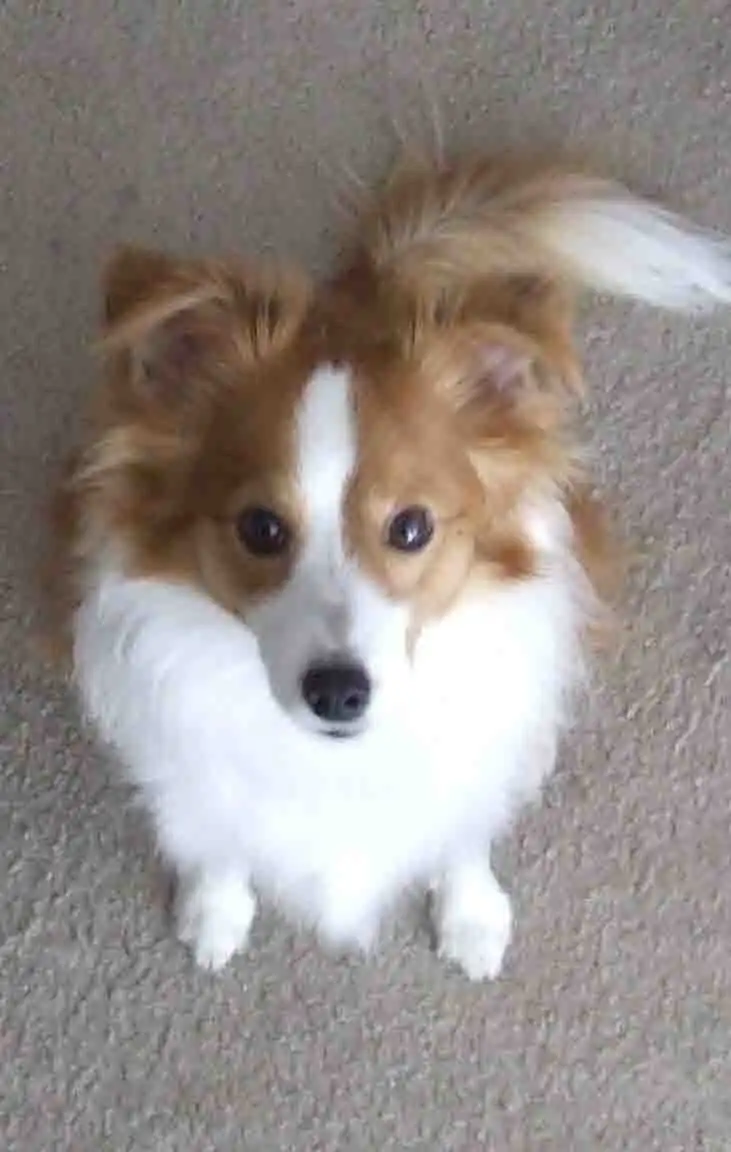
The coat of this hybrid breed is generally long, but there can be considerable variation among individual dogs regarding density, texture, and shedding. The Sheltie boasts a sturdy, double-layered coat that is naturally dirt-resistant and has a low odor, which means it doesn't need frequent baths. However, regular brushing—ideally several times a week—is crucial for both coat types. Shelillons that inherit the Papillon's silky, single-layer coat usually shed less and are less prone to matting, but brushing remains important to remove dirt and debris and to prevent minor tangles. On the other hand, those with the Shetland Sheepdog's double-layer coat tend to shed more and are more likely to mat, particularly in the undercoat close to the skin, requiring more frequent brushing to keep these issues in check.
Behavior & Temperament
The Shelillon is a hybrid breed that merges the lively, affectionate, and outgoing traits of its parent breeds. Consequently, it is likely to inherit these qualities, but it may also be prone to experiencing separation anxiety. When left alone for long periods or lacking adequate mental stimulation, these dogs can engage in destructive behaviors. They usually interact well with children, making them excellent family companions, and they are generally patient even with younger kids. However, some may react sensitively to physical contact, loud sounds, or abrupt movements, highlighting the need for careful supervision. Additionally, they might exhibit a tendency to chase or herd other animals. To encourage healthy development and avoid issues such as shyness or excessive barking, proper socialization and training are essential for this small breed. Shelillons are typically intelligent and eager to learn, often picking up tricks quickly and performing well in competitive obedience. Nevertheless, they can sometimes show a stubborn streak inherited from their Papillon ancestry, and those that take after the Sheltie may become defensive if subjected to harsh treatment.


Play & Exercise
This crossbreed requires a moderate amount of daily exercise, typically around 45 minutes of vigorous activity, which can be split into two or three shorter sessions. If you prefer longer walks, the Shelillon will eagerly accompany you and maintain a good pace. These dogs also thrive on a range of activities, such as agility training, herding exercises, mental stimulation, and fetch games, whether inside or outside. When exercising outdoors, it's important to take the weather into account, particularly for dogs with the thick double coat characteristic of the Shetland Sheepdog, as they can be more susceptible to heat.
Things to Know
Cups Per Day
2.0 Cups
Daily Activity
45 Minutes
Average Lifespan
14 Years
Origin
Unknown
Type
Crossbreeds
Size
Small
Origin Country
Unknown
Brush Frequency
Daily
Coat Texture
Straight
Register
Your kids have been begging for a pet forever, and you've recently decided that it's time for your family to get a new addition -- a dog! While everyone is excited for the new arrival, you're wondering if you need to have a dog license. How much does it cost? Is it required? Where do you get one?
Member Clubs

PETINNATE
Other
Height & Weight
Weight
14 lbs (6 kg)Male: 14 lbs (6 kg) , Female: 14 lbs (6 kg)
Height
12 inches (30 sm)Male: 12 inches (30 sm) , Female: 12 inches (30 sm)
6 Months
10 lbs ( m 10 lbs, f 10 lbs )
11 inches ( m 11 inches, f 11 inches )
12 Months
14 lbs ( m 14 lbs, f 14 lbs )
12 inches ( m 12 inches, f 12 inches )
18 Months
14 lbs ( m 14 lbs, f 14 lbs )
12 inches ( m 12 inches, f 12 inches )
Eye Colors
Blue
Brown
Nose Colors
Black
Coat Colors
Fawn
Red
Brown
Isabella
Sable
Blue
White
Black