Sheltidoodle
Sheltipoo, Sheltiedoodle
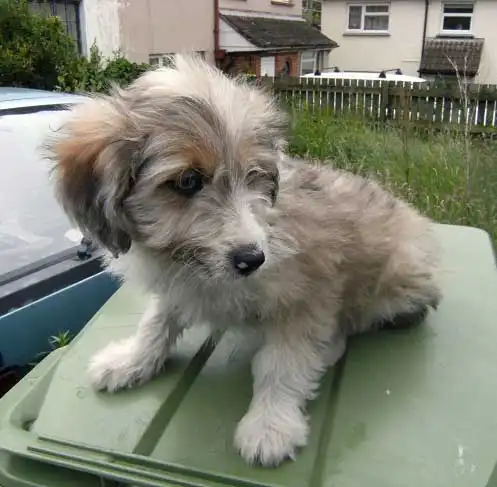
The Sheltidoodle, commonly known as the Sheltipoo, has gained popularity as a designer breed in recent decades. This intentional hybrid results from crossing the Shetland Sheepdog, a sturdy herding dog from the Shetland Islands near Scotland, with the versatile Poodle, which was originally developed for duck hunting in Germany. Sheltidoodles are celebrated for their intelligence and sensitivity, showing a loving and attentive demeanor towards their families while being polite and reserved around strangers. Their inherent protective instincts enable them to serve as effective watchdogs, and they typically interact well with gentle, well-behaved children. However, some may display hyper-reactive behaviors, making them potentially less suitable for noisy or chaotic environments.
Breed Origin
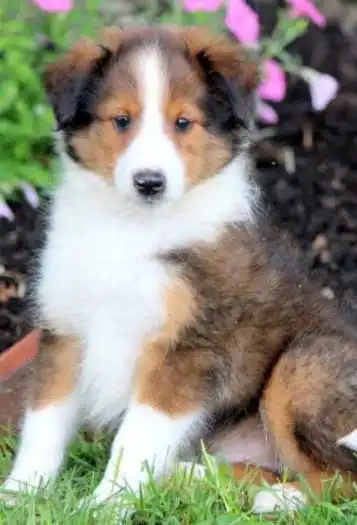
The Sheltidoodle is a thoughtfully designed hybrid that merges the Shetland Sheepdog, a compact herding breed originally bred to handle the unique livestock of Scotland's Shetland Islands, with the clever and versatile Poodle. Contrary to common misconceptions, Shetland Sheepdogs are not simply diminutive versions of Rough Collies; they boast a rich and intricate ancestry. While both rough and smooth Collies have played a role in their evolution, Shetland Sheepdogs are recognized as a unique breed with influences from several other breeds. Although the details of their breeding history remain somewhat ambiguous, it is believed that breeds such as the Scotch Collie, Icelandic Sheepdog, King Charles Spaniel, Border Collie, and Pomeranian have significantly contributed to their development. Additionally, an extinct breed known as the Greenland Yakki and an unidentified spitz type from the Nordic region are thought to have played a part in shaping the Shetland Sheepdog. Originally called Toonies by the locals, these dogs were bred on the Shetland Islands to help manage the small livestock indigenous to the region. In the 1800s, their appeal as companion animals caught the attention of tourists, who began taking them home, leading to their worldwide popularity. The Poodle, often referred to as the French Poodle, also challenges initial perceptions. While it is frequently associated with dog shows and luxury, this breed was actually developed in Germany as a hunting dog, specifically designed to find and retrieve game, especially waterfowl. The term "Poodle" comes from the German "Pudlehund," which combines "pudle," meaning to splash, and "hund," meaning dog. Their distinctive grooming style is thought to have been created to reduce drag in water while still safeguarding essential areas with a dense coat. Due to their exceptional intelligence and trainability, Poodles have taken on a variety of roles, from circus performers to therapy animals, and have been beloved companions for everyone from street entertainers to royalty. While standard and occasionally miniature Poodles are still utilized for their original hunting purpose today, they are generally clipped short to prevent tangling in underbrush. The standard Poodle is most commonly used in Sheltidoodle breeding, although some breeders may choose miniature or toy Poodles, which can affect the hybrid's size, temperament, and potential health concerns.
Breed Appearance
The Sheltidoodle is a medium-sized dog that emerges from the crossbreeding of two distinct breeds, resulting in a wide range of physical variations among individual dogs, even those born in the same litter. Both parent breeds are known for their robust physiques, featuring long, straight legs and deep chests, characteristics that are likely to be passed down to their offspring. The head and facial features of the Shetland Sheepdog are quite different from those of the Poodle, meaning the hybrid may inherit traits from either lineage. It could possess a wedge-shaped head with a long, tapered muzzle that culminates in a rounded tip, similar to the Sheltie, or it might exhibit a narrower, dome-shaped head with a straight, fine muzzle typical of the Poodle. There is also the potential for a mix of characteristics from both breeds. The Sheltidoodle's eyes are usually medium-sized and can be either oval or almond-shaped. While most will have dark brown eyes, some may inherit blue or parti-colored eyes, particularly if they carry any merle gene. Furthermore, their ears may reflect the traits of their parent breeds, featuring the erect, triangular ears of the Shetland Sheepdog, the longer, drooping ears of the Poodle, or a combination of both.

Care Routine
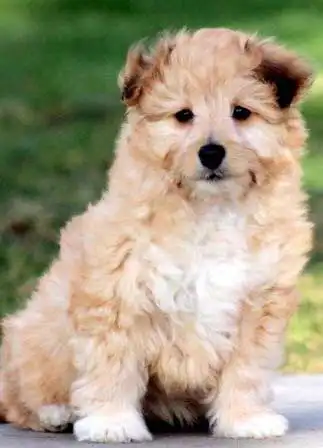
A key difference between the two parent breeds is their coat characteristics. The Sheltie has a double-layered coat, featuring a dense undercoat that supports a long, straight outer layer, except on the face and lower legs, where the hair is shorter and lies flat. On the other hand, the Poodle is known for its single layer of curly fur, which grows continuously and sheds very little. The Sheltidoodle often inherits either curly or wavy fur, which can be either single or double-layered, showcasing traits from both parent breeds. Dogs that resemble the Sheltie with a double-layered coat generally shed more and require regular grooming, while those that take after the Poodle, with its continuously growing coat, will need regular trims and more frequent baths compared to their Shetland Sheepdog counterparts with coarser fur.
Behavior & Temperament
The Sheltidoodle is typically a well-mannered dog, recognized for its attentiveness and ability to respond effectively. These traits, along with their impressive intelligence, contribute to their high trainability, especially when gentle training techniques are utilized. However, they may suffer from separation anxiety and boredom if they do not receive enough mental stimulation or are left alone for long periods. In social situations, they are generally polite but can be somewhat reserved, displaying mild yet sensible protective instincts. To help ease their naturally cautious nature and prevent it from turning into excessive wariness or unnecessary shyness, early and comprehensive socialization is crucial. Despite this, some Sheltidoodles may still develop sensitivities to touch, sudden movements, or loud sounds, which could make them less ideal for very young children or those with high energy levels. Overall, they tend to get along well with other animals, including other dogs, although some may feel a natural inclination to chase and herd, a behavior typical of herding breeds.


Play & Exercise
The Sheltie is celebrated for its agility and spirited demeanor, while the Poodle, though not as exuberant as certain retrieving breeds, remains an active dog that requires consistent physical exercise to maintain its health and well-being. To meet the exercise requirements of a Sheltidoodle, approximately an hour of daily activity is typically adequate. However, it is equally important to engage their minds on a daily basis. You can combine physical and mental stimulation through a variety of activities such as canine freestyle dance, agility training, retrieving games, herding exercises, and advanced obedience or trick training. While this breed can adapt to living in an apartment, it will require additional exercise and early training to curb excessive barking. Ideally, Sheltidoodles flourish in larger homes with access to a yard where they can run and play freely.
Things to Know
Cups Per Day
2.0 Cups
Daily Activity
60 Minutes
Average Lifespan
14 Years
Origin
Unknown
Type
Crossbreeds
Size
Medium
Origin Country
Unknown
Brush Frequency
Daily
Coat Texture
Curly
Register
Your kids have been begging for a pet forever, and you've recently decided that it's time for your family to get a new addition -- a dog! While everyone is excited for the new arrival, you're wondering if you need to have a dog license. How much does it cost? Is it required? Where do you get one?
Member Clubs

PETINNATE
Other
Height & Weight
Weight
40 lbs (18 kg)Male: 45 lbs (20 kg) , Female: 35 lbs (16 kg)
Height
17 inches (43 sm)Male: 17 inches (43 sm) , Female: 17 inches (43 sm)
6 Months
25 lbs ( m 25 lbs, f 25 lbs )
14 inches ( m 14 inches, f 14 inches )
12 Months
35 lbs ( m 35 lbs, f 35 lbs )
16 inches ( m 16 inches, f 16 inches )
18 Months
35 lbs ( m 35 lbs, f 35 lbs )
16 inches ( m 16 inches, f 16 inches )
Eye Colors
Blue
Brown
Nose Colors
Black
Brown
Coat Colors
Black
White
Pied
Sable
Blue
Brown
Cream
Gray
Red
Silver