Sheltie-Kee
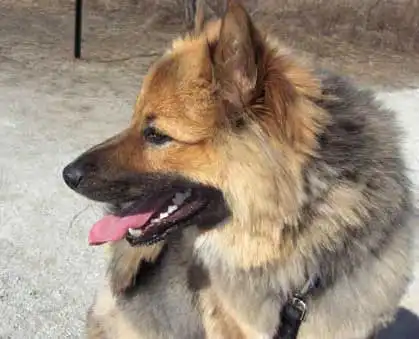
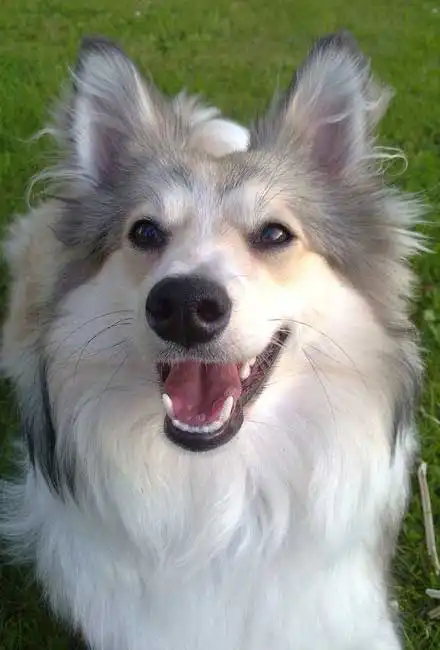
The Sheltie-Kee is a harmonious mix of the Keeshond and the Shetland Sheepdog, showcasing the friendly and sociable nature typical of Northern breeds, along with the intelligence and hard work associated with herding dogs. This distinctive blend creates a pet that is not only adaptable and friendly but also remarkably bright and full of energy. The physical appearance of a Sheltie-Kee can vary based on which parent breed's features are more dominant, but they generally possess a thick, long coat, erect ears, a curled tail, and expressive, intelligent eyes. Classified as a small to medium-sized breed, they typically weigh between 25 and 45 pounds. The Sheltie-Kee thrives on regular physical activity and benefits from consistent, firm training to grasp expectations effectively. If you are looking for an active and engaging companion that shows affection to both humans and other animals, the Sheltie-Kee may be the perfect fit for you. However, keep in mind that this breed is quite vocal and tends to shed frequently, so be prepared for lively interactions and consider investing in a good vacuum cleaner.
Breed Origin
The Sheltie-kee is a relatively new hybrid breed that originated in the United States during the early 2000s. This breed is a mix of the Shetland Sheepdog and the Keeshond, both of which have intriguing and rich histories. To gain a deeper understanding of the Sheltie-kee and the motivations behind its development, we can delve into the backgrounds of its parent breeds. By exploring their origins, we can trace the ancestral dogs that shape the Sheltie-kee's lineage and the characteristics likely to be prominent in its temperament. For instance, the Shetland Sheepdog has roots in breeds such as the Pomeranian, larger Collies, and the King Charles Spaniel. Historically, it has been referred to by various names, including the Fairy Dog and Miniature Collie, but it officially takes its name from the Shetland Islands, where it was first bred. Given the islands' small size, it is understandable that the local inhabitants preferred small dogs with lively personalities to help herd sheep and safeguard their homes. Visitors to the Shetland Islands were often enchanted by these striking dogs, bringing them back to their own countries as treasured mementos, which contributed to the Shetland Sheepdog's global recognition. The breed made its way to the United States, where it was acknowledged by the American Kennel Club in 1911. Since then, the Sheltie has excelled as a show dog, farm worker, and beloved companion. The Keeshond, distinguished by its eye-catching markings and fluffy coat, is another fascinating breed with a history that traces back to the late 1700s in Amsterdam. These Dutch dogs initially served as watchdogs and companions for barge captains navigating the Rhine River. Their popularity soared during the late 18th century amidst political turmoil in Holland, as they became emblematic of the Patriot movement. However, after the Patriots' defeat, the Keeshond faced the brink of extinction. Fortunately, in the 1920s, a Baroness recognized the breed's distinctiveness and played a vital role in its revival. Shortly thereafter, the American Kennel Club officially recognized the Keeshond, and it has since flourished as both a show dog and a beloved pet.
Breed Appearance
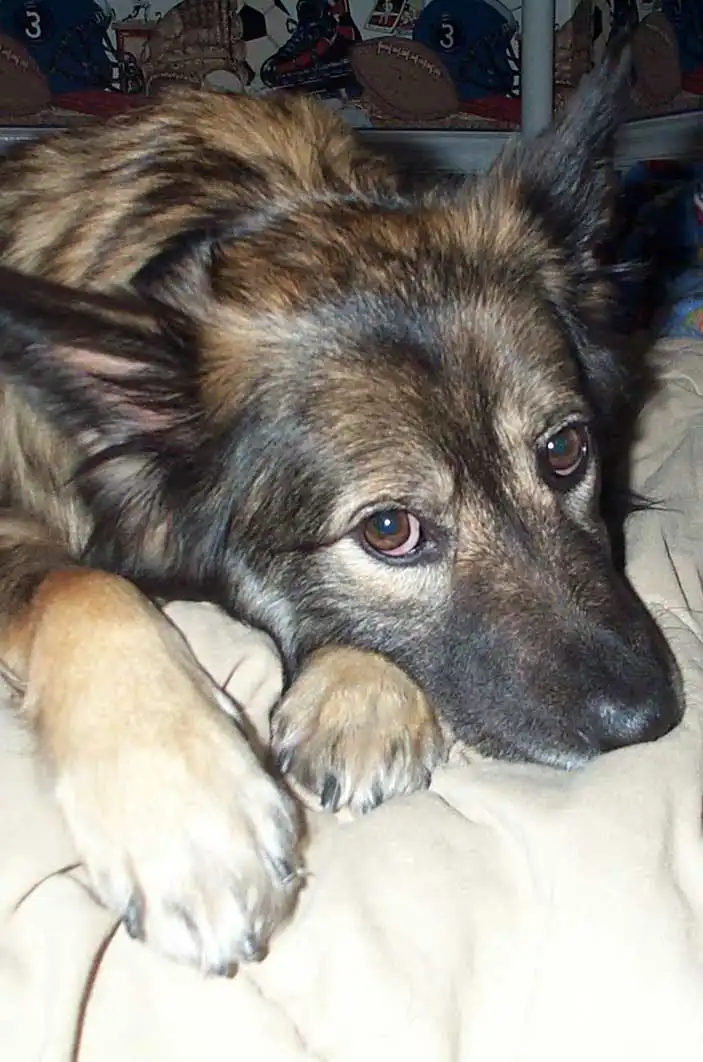
The Sheltie-Kee, a hybrid breed, displays a diverse array of physical traits, even among siblings from the same litter. This breed inherits characteristics from both the Shetland Sheepdog and the Keeshond. Its coat is thick, long, and double-layered, with a seasonal shedding cycle throughout the year. The striking fur can appear in various colors and is notably dense around the neck and tail, echoing the Keeshond's appearance. When it comes to the tail, the Sheltie-Kee may possess either a full tail that arches gracefully over its back or a feathered tail akin to that of the Shetland Sheepdog. Regardless of which parent breed's features are more dominant, the Sheltie-Kee is easily recognized by its tall, erect ears and expressive brown eyes, which convey a sense of intelligence.

Care Routine
The Sheltie-Kee features a dense, luxurious coat that requires consistent grooming to reduce shedding and avoid matting. To keep your Sheltie-Kee looking and feeling great, aim to brush him at least three times a week with a wire comb and a pin brush. Alongside regular brushing, it's important to trim your dog's nails every few weeks and clean his ears monthly to ensure their health and prevent any irritations or infections. Bathing is only necessary every couple of months, as this breed typically does not have a strong dog odor. Additionally, incorporating dental care—like brushing his teeth or offering special dental treats—can significantly improve your dog's overall hygiene.
Behavior & Temperament
If you're looking for a dog that embodies optimism and loves to engage with anything that moves, the Sheltie-kee could be your ideal companion! This spirited breed is full of vitality and exudes positivity every day. By combining the Sheltie's lively temperament and intelligence with the Keeshond's friendly and exuberant character, we create a charming breed that is both entertaining and full of surprises. Eager to please, the Sheltie-kee makes training enjoyable, and his sharp mind enables him to quickly learn new tricks. However, this intelligence can sometimes lead to playful mischief. With his boundless energy, playful nature, and natural herding instincts, he may attempt to herd smaller animals or even children. Additionally, he is quite vocal in various situations. Therefore, it’s essential to start socialization and training early to help your Sheltie-kee develop appropriate behaviors around others.
Play & Exercise
The Sheltie-kee, an energetic blend of the Keeshond's love for strolls and the Sheltie's zest for running, is bound to be a lively companion that requires plenty of physical activity to avoid getting into trouble. Suitable exercises for this breed encompass vigorous jogs, long walks, trips to the dog park, obedience training, and fun games of fetch in the yard. Training is especially beneficial for this dog, as it comes from a heritage of working breeds that excel when given tasks to complete for their owners. By introducing new tricks and mental challenges, the Sheltie-kee will find more joy than if restricted to just a few daily walks. Due to its high energy, this breed also needs a living space that allows for ample exercise opportunities.
Things to Know
Cups Per Day
2.0 Cups
Daily Activity
120 Minutes
Average Lifespan
14 Years
Origin
2000's
Type
Crossbreeds
Size
Medium
Origin Country
United States
Brush Frequency
Daily
Coat Texture
Straight
Register
Your kids have been begging for a pet forever, and you've recently decided that it's time for your family to get a new addition -- a dog! While everyone is excited for the new arrival, you're wondering if you need to have a dog license. How much does it cost? Is it required? Where do you get one?
Member Clubs

PETINNATE
Other
Height & Weight
Weight
35 lbs (16 kg)Male: 35 lbs (16 kg) , Female: 35 lbs (16 kg)
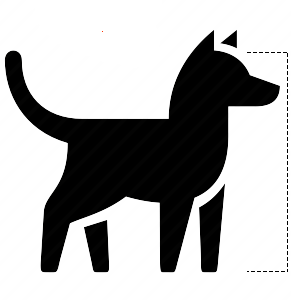
Height
16 inches (41 sm)Male: 16 inches (41 sm) , Female: 15 inches (38 sm)
6 Months
26 lbs ( m 26 lbs, f 26 lbs )
9 inches ( m 9 inches, f 9 inches )
12 Months
34 lbs ( m 34 lbs, f 34 lbs )
12 inches ( m 12 inches, f 12 inches )
18 Months
41 lbs ( m 41 lbs, f 41 lbs )
15 inches ( m 15 inches, f 15 inches )
Eye Colors
Brown

Nose Colors
Black
Brown
Isabella
Coat Colors
Black

Gray

Cream

Brown

White