Sheltie Shepherd
The Sheltie Shepherd is a charming hybrid created by crossing the German Shepherd with the Shetland Sheepdog. Both parent breeds are celebrated for their intelligence and friendly demeanor, which makes them equally enthusiastic about both play and work. This breed is an excellent option for families and can also lend a hand in herding tasks when necessary. However, without appropriate training, they may try to herd other pets or even children. The good news is that they are quick to learn and respond positively to training, as long as you maintain consistency and assertiveness with the rules. Their long double coat requires regular grooming, and they benefit from a moderate amount of daily exercise. Overall, they are a sturdy breed, often living for more than 15 years.

Breed Origin
The Sheltie Shepherd, being a hybrid breed, necessitates an examination of its parent breeds' histories. The German Shepherd, which emerged in Germany during the 1800s, was developed by Captain Max von Stephanitz, a member of the German Cavalry. His aim was to breed a dog adept at herding and protecting large sheep flocks. Collaborating with other shepherds, he selected various breeds known for their advantageous characteristics, such as strong scent detection, agility, strength, and intelligence. These dogs also played a crucial role in World War I, serving as military canines that delivered food and supplies to troops. The first German Shepherd to be officially registered was a dog named Horan in 1899. Despite undergoing several name changes due to political issues with Germany, the breed ultimately reclaimed its original title. Over the years, German Shepherds have built a reputation for their bravery and intelligence, leading to their employment in law enforcement, military tasks, search and rescue operations, and as assistance dogs for individuals with disabilities. The American Kennel Club recognized the breed in 1908, and it has since become the second most popular dog breed in the United States. Conversely, the Shetland Sheepdog takes its name from the Shetland Islands in Scotland, where it was first recognized. This breed was developed by crossing the Border Collie, King Charles Spaniel, and Icelandic dog, primarily for the purpose of herding sheep. In addition to herding, Shetland Sheepdogs were also used to manage cattle, horses, and chickens, while being beloved as family pets. When the British Navy returned to England after their training in the Shetland Islands, they brought some of these dogs back, which contributed to their growing popularity. The American Kennel Club officially recognized the Shetland Sheepdog in 1911, and it currently holds the position of the 24th most popular dog breed in the country.
Breed Appearance
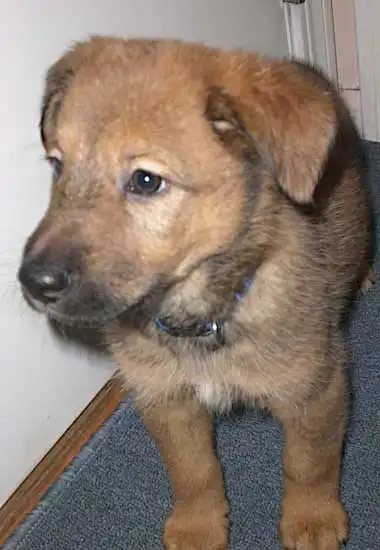
The Sheltie Shepherd is a robust breed, typically weighing between 55 and 65 pounds and standing around 25 inches tall. This breed is distinguished by its thick, medium to long double coat, which is straight and available in a diverse range of colors, including various combinations of black, brown, and white; tan, cream, and black; as well as shades like red, fawn, sable, merle, and brindle. They are known for their elongated muzzles, a trait inherited from the Shetland Sheepdog, and feature a black or brown nose along with expressive brown eyes that reflect their intelligence. Their physique is characterized by a long body, graceful legs, a bushy tail, and upright, pointed ears.

Care Routine
The Sheltie Shepherd has a dense double coat that demands regular maintenance, making it crucial to brush your dog thoroughly several times a week with a stainless steel comb and a pin brush. To help reduce shedding, which can be quite significant, consider adding a deshedding tool or a stiff bristle brush to your daily grooming regimen. It's best to bathe your dog no more than once a month or as needed, using a mild shampoo, since frequent baths can cause dry skin and irritation. Bath time is also a great opportunity to clean your dog's ears and check for any buildup of earwax or other debris.
Behavior & Temperament
The Sheltie Shepherd is a fantastic choice for families, especially those with a large, secure yard for outdoor activities. This breed is not only sociable but also exceptionally smart, enjoying the company of both pets and children—though it's wise to supervise interactions with younger kids. To ensure a well-adjusted pet, early socialization and effective training are crucial. While they generally pick up commands quickly, some may show a bit of stubbornness, so it's vital to approach their training with patience and consistency. As natural herders, they may have a tendency to herd smaller animals and children, but with appropriate guidance, this instinct can be managed successfully.


Play & Exercise
Your Sheltie Shepherd needs approximately 45 minutes to an hour of vigorous exercise daily to stay healthy and content. A lack of both mental and physical engagement can lead to boredom or anxiety, which may manifest as aggression, excessive barking, or other behavioral issues. To keep your Sheltie Shepherd stimulated, consider activities such as socializing with other dogs at the park, going for walks, hiking, playing frisbee or flyball, swimming, and entering agility competitions. Being a natural herding breed, your Sheltie Shepherd will flourish with opportunities to herd animals. If you don’t have access to livestock, think about taking your dog to a herding competition to demonstrate its abilities alongside other dogs.
Things to Know
Cups Per Day
2.5 Cups
Daily Activity
45 Minutes
Average Lifespan
14 Years
Origin
2000s
Type
Crossbreeds
Size
Medium
Origin Country
United States
Brush Frequency
Daily
Coat Texture
Straight
Register
Your kids have been begging for a pet forever, and you've recently decided that it's time for your family to get a new addition -- a dog! While everyone is excited for the new arrival, you're wondering if you need to have a dog license. How much does it cost? Is it required? Where do you get one?
Member Clubs

PETINNATE
Other
Height & Weight
Weight
58 lbs (26 kg)Male: 60 lbs (27 kg) , Female: 55 lbs (25 kg)
Height
25 inches (64 sm)Male: 26 inches (66 sm) , Female: 24 inches (61 sm)
6 Months
35 lbs ( m 35 lbs, f 35 lbs )
22 inches ( m 22 inches, f 22 inches )
12 Months
45 lbs ( m 45 lbs, f 45 lbs )
23 inches ( m 23 inches, f 23 inches )
18 Months
55 lbs ( m 55 lbs, f 55 lbs )
24 inches ( m 24 inches, f 24 inches )
Eye Colors
Brown

Nose Colors
Black
Brown
Coat Colors
Black
Brown
Red
Cream
Fawn
Silver

Pied
Sable
Brindle