Sheltie Tzu
If you adore small, fluffy dogs, the Sheltie Tzu is likely to win you over. This delightful hybrid, a mix of the Shetland Sheepdog and the Shih Tzu, makes for an affectionate companion. Typically weighing between 15 and 25 pounds and standing around 10 to 16 inches tall, they are excellent family pets, flourishing in environments with children and other animals, including cats. Although they are generally straightforward to train, housebreaking can be a bit tricky and demands consistency and patience. Their coats can easily become matted, so regular grooming is crucial; however, they shed very little and are known for their strong health, often living well into their teenage years.

Breed Origin
The Sheltie Tzu, a relatively recent designer breed, warrants a closer look at the histories of its parent breeds. The Shetland Sheepdog originated in the 1800s on Scotland's Shetland Islands, resulting from a blend of the King Charles Spaniel, Northern Spitz, Pomeranian, and both Border and Scotch Collies. Initially bred for herding sheep, horses, and other livestock, these gentle dogs also became cherished family pets. British Navy personnel introduced the Shetland Sheepdog to England after their training in the Shetland Islands, prior to 1917. The breed made its debut in the United States in 1908, gaining recognition from the American Kennel Club just three years later. Today, the Shetland Sheepdog is ranked as the 24th most popular breed in the U.S. In contrast, the Shih Tzu boasts a rich lineage that dates back to the Tang Dynasty in China, where they were bred as companions and guardians for royal families. These sociable and vigilant dogs require little exercise but need extensive grooming. Their ancestry includes the Tibetan Mountain dog, Pekingese, and Lhasa Apso, with origins tracing back to the sixth century. Although they became popular among the general public, the breed faced a significant decline during the Chinese Revolution, leaving only a handful of Shih Tzus to form the basis of modern dogs. In the 1900s, the breed began to gain recognition in countries such as England, Norway, and the United States, though they were often confused with the similar Lhasa Apso. It wasn't until 1938 that clear standards were established to distinguish the two breeds. The Shih Tzu received official recognition from the American Kennel Club in 1969 and is currently the 20th most popular breed in America.
Breed Appearance
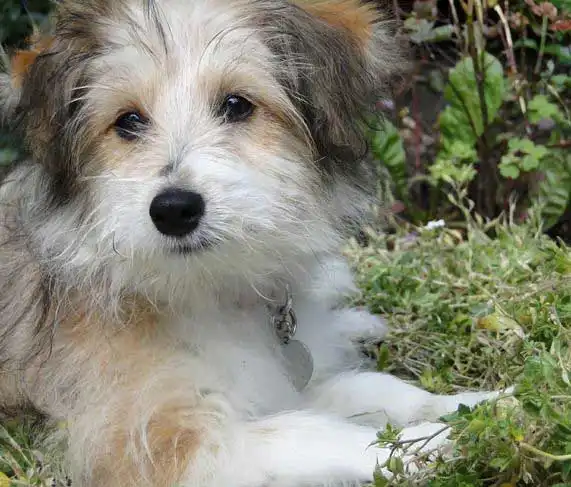
The Sheltie Tzu is a small, fluffy dog breed known for its round head, droopy ears, and expressive gaze. The length of their muzzle can differ, depending on their lineage. They typically have medium to long fur that is silky, thick, straight, and soft to the touch. Their coat comes in a diverse range of color combinations, such as black and white, brown and black, white and chocolate, tan and red, white and blue, silver and tan, or various mixes of these hues. Generally, these dogs are on the shorter side, measuring under 16 inches in height, and they possess a black nose along with either brown or blue eyes.


Care Routine
Caring for a Sheltie Tzu can be quite demanding, primarily due to the unique combination of the Shetland Sheepdog's double coat and the Shih Tzu's long, luxurious fur, which can easily become matted and difficult to manage. To effectively groom your dog, it's vital to have the appropriate tools, including a stainless-steel comb, a dematting tool, and a high-quality pin brush that can penetrate their thick undercoat. One important tip is to brush regularly, as this helps prevent matting. Many pet owners prefer to utilize professional grooming services and often keep their dogs' coats trimmed short for easier maintenance. Furthermore, it's essential to trim your dog's nails every two weeks and, if possible, brush their teeth daily. Regularly inspecting their ears for moisture is also important; keeping the ears dry can help inhibit the growth of yeast and bacteria in the warm ear canal.
Behavior & Temperament
Both parent breeds are known for their affectionate and sociable nature, making them excellent companions for children and other animals. They particularly enjoy engaging with cats and smaller pets such as rabbits and guinea pigs. However, it’s essential to supervise their interactions with young children and small animals. The Shih Tzu often faces challenges with housebreaking, which may also affect your Sheltie Tzu. To facilitate effective training, it’s vital to use positive reinforcement and maintain consistency from the outset. This breed is intelligent and observant, though they can sometimes be quite stubborn. While they thrive on attention, they generally adapt well to being alone, so separation anxiety is usually not a significant issue.


Play & Exercise
The Sheltie Tzu is an energetic breed that enjoys playful activities and running around, much like many other dogs. However, they can also display a more relaxed demeanor at times. It's important to note that without adequate exercise, this breed is susceptible to weight gain. To ensure your Sheltie Tzu remains in good health, it's recommended to provide them with 45 to 60 minutes of physical activity daily. Suitable activities include playing in a secure yard, socializing with other dogs at the park, taking brisk walks in the neighborhood, engaging in a lively game of fetch, or exploring hiking trails. Furthermore, this breed may also find joy in herding exercises, agility training, or navigating obstacle courses.
Things to Know
Cups Per Day
1.5 Cups
Daily Activity
45 Minutes
Average Lifespan
13 Years
Origin
2000s
Type
Crossbreeds
Size
Small
Origin Country
United States
Brush Frequency
Daily
Coat Texture
Straight
Register
Your kids have been begging for a pet forever, and you've recently decided that it's time for your family to get a new addition -- a dog! While everyone is excited for the new arrival, you're wondering if you need to have a dog license. How much does it cost? Is it required? Where do you get one?
Member Clubs

PETINNATE
Other
Height & Weight
Weight
20 lbs (9 kg)Male: 23 lbs (10 kg) , Female: 18 lbs (8 kg)
Height
13 inches (33 sm)Male: 15 inches (38 sm) , Female: 12 inches (30 sm)
6 Months
7 lbs ( m 7 lbs, f 7 lbs )
10 inches ( m 10 inches, f 10 inches )
12 Months
12 lbs ( m 12 lbs, f 12 lbs )
11 inches ( m 11 inches, f 11 inches )
18 Months
17 lbs ( m 17 lbs, f 17 lbs )
12 inches ( m 12 inches, f 12 inches )
Eye Colors
Blue

Brown
Nose Colors
Black
Coat Colors
Black

Brown
Red
Cream
Fawn
Blue
Silver

White
Sable
Brindle