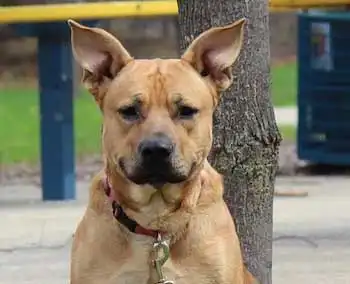
Shepherd Pit
German Sheppit
The Shepherd Pit is a hybrid breed that merges the German Shepherd with the American Pit Bull Terrier, commonly known as the Pit Bull. This breed generally falls within the medium to large size range, often appearing as a larger version of the Pit Bull while displaying the unique coloration typical of German Shepherds. Although both parent breeds have faced negative stereotypes regarding their potential for aggression and handling challenges, the Shepherd Pit can be a remarkable companion when cared for by the right owner. Renowned for its intelligence, loyalty, and protective instincts, this breed is also diligent and loving, eager to please its family and value time spent together. However, it is important to recognize that neither parent breed is particularly skilled with children or other animals, indicating that the Shepherd Pit may inherit similar sensitivities. With appropriate early socialization and training, though, the Shepherd Pit can become an excellent choice for those looking for both a guardian and a loyal friend.
Breed Origin
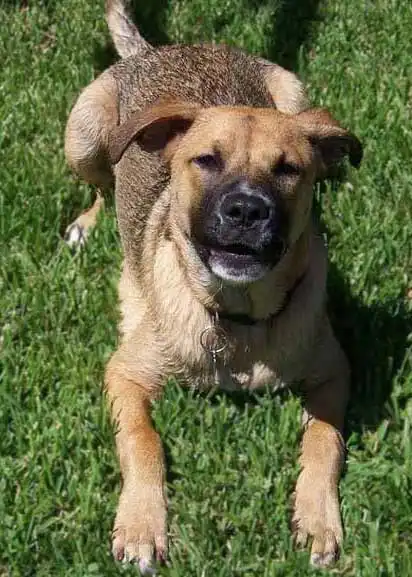
The Shepherd Pit made its debut in the United States in the early 2000s, yet much about its origins and intended role remains unclear. It can be inferred, however, that this breed was created to merge the intelligence and loyalty of the German Shepherd with the strength and courage of the Pit Bull. While both parent breeds have been subjected to negative stereotypes, they also embody commendable traits that enhance the Shepherd Pit's appeal. The German Shepherd boasts a rich history as a police dog and a loyal companion. This breed, which originated in 19th-century Germany, was specifically developed for its intelligence, striking looks, and adaptability, quickly becoming a favorite among dog lovers. The first German Shepherd arrived in the United States around 1906, and by 1912, the American Kennel Club had officially recognized the breed. Its popularity surged as these dogs demonstrated their skills and loyalty, although their reputation suffered during World War I due to their German roots. Nevertheless, German Shepherds continued to serve bravely as messengers and scouts throughout the war. Their appearances in films post-war helped rehabilitate their image, enchanting American audiences with their beauty and valor. This revival cemented the German Shepherd's status as a cherished breed, ensuring its ongoing role as a show dog, working animal, and devoted companion. On the other hand, the American Pit Bull Terrier, commonly known as the Pit Bull, was originally bred for less honorable purposes. A cross between Bulldogs and Terriers, Pit Bulls were often linked to the cruel sport of dog fighting, a popular form of entertainment before the advent of television and video games. Fortunately, some individuals recognized the breed's potential for more constructive roles. Pit Bulls found their place on farms as effective ratter dogs and loyal companions, helping to protect families from wild animals. Known for their affectionate and devoted nature, Pit Bulls can make excellent pets when properly socialized and trained. Their loyalty even led to their depiction as symbols of the United States during World War I, appearing on posters and in comic strips like "Buster Brown." Although the American Kennel Club does not officially recognize the Pit Bull due to its controversial past, the United Kennel Club has registered the breed since 1898. Ultimately, despite its origins, the Pit Bull has the potential to be an extraordinary companion when given the chance to thrive.
Breed Appearance
The Shepherd Pit comes in a variety of colors and bears a resemblance to larger Pit Bulls, featuring either a classic short muzzle or a longer one reminiscent of a German Shepherd. Its ears stand erect and have the characteristic fold at the tips, a signature trait of the American Pit Bull Terrier. The coat is generally short and closely fitted to the body, akin to that of the Pit Bull, but it enjoys a wider range of color options due to the influence of the German Shepherd. This breed is characterized by large, round eyes that can be dark, light, or amber brown, consistently reflecting their intelligence. With a sturdy build, a long tail, and a strong head, the Shepherd Pit represents an impressive combination of desirable features from both the German Shepherd and the Pit Bull. Thanks to its shorter fur, this breed is well-suited for warmer climates and experiences moderate shedding throughout the year.

Care Routine
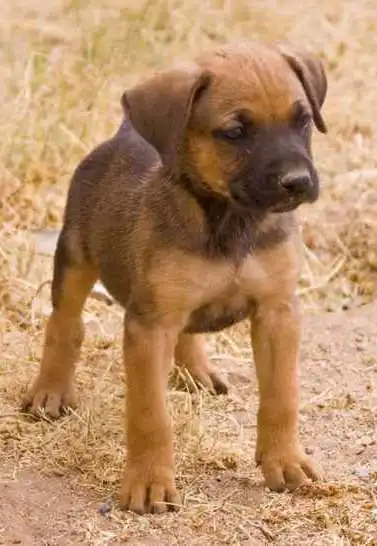
The Shepherd Pit is considered to have low to moderate grooming requirements due to its short coat and moderate shedding. A few brushings each month with a slicker brush are usually enough to keep its coat looking clean and well-groomed. However, if you are particularly sensitive to dog hair in your living space, you may want to increase brushing to about three times a week to better control shedding. Fortunately, the short fur is naturally resistant to tangling and can be easily shaken off. Bathing is infrequent, as this breed typically does not have an unpleasant smell; a bath may only be necessary if the dog encounters something undesirable. Aside from that, this breed doesn’t need much water exposure. Regular ear cleaning to remove any debris and trimming the nails every few weeks will help ensure healthy paws. This simple grooming routine makes the Shepherd Pit a great option for those looking for a low-maintenance pet.
Behavior & Temperament
The Shepherd Pit, a mixed breed resulting from two esteemed parent breeds known for their courage and protective nature, may not be the ideal choice for everyone. The assertiveness inherent in both the German Shepherd and the Pit Bull has been intentionally developed for specific purposes, and with proper guidance, it usually does not result in problems in daily life. However, because of this background, it is vital for a Shepherd Pit to be owned by someone with significant experience in dog training and behavior management. This expertise is necessary for handling various situations, such as socializing in dog parks, navigating encounters with other people and dogs, and conducting effective training sessions to improve overall behavior. Despite these requirements, the Shepherd Pit is an incredibly loving and loyal companion to its family. It enjoys playtime and flourishes when given tasks to complete. While it tends to be quiet, it will bark when needed, making it a suitable choice for a discreet guard dog. When interacting with children, supervision is crucial, and early socialization is important to help the dog adapt to these experiences from a young age.


Play & Exercise
The Shepherd Pit is a lively breed that requires multiple outdoor play and training sessions daily. Training is essential for this breed, as it offers the mental stimulation needed to avoid boredom and improves their social abilities. Other beneficial activities for the Shepherd Pit include extended runs or walks, biking, hiking, agility exercises, and fun playtime in the yard. By investing sufficient time with your Shepherd Pit, you will not only deepen your connection and help burn off excess energy but also ensure he becomes a well-behaved companion for both your family and guests.
Things to Know
Cups Per Day
3.0 Cups
Daily Activity
180 Minutes
Average Lifespan
12 Years
Origin
2000's
Type
Crossbreeds
Size
Medium
Origin Country
United States
Brush Frequency
Weekly
Coat Texture
Straight
Register
Your kids have been begging for a pet forever, and you've recently decided that it's time for your family to get a new addition -- a dog! While everyone is excited for the new arrival, you're wondering if you need to have a dog license. How much does it cost? Is it required? Where do you get one?
Member Clubs

PETINNATE
Other
Height & Weight
Weight
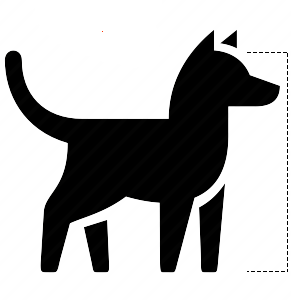
58 lbs (26 kg)Male: 65 lbs (29 kg) , Female: 50 lbs (23 kg)
Height
21 inches (53 sm)Male: 22 inches (56 sm) , Female: 21 inches (53 sm)
6 Months
40 lbs ( m 40 lbs, f 40 lbs )
14 inches ( m 14 inches, f 14 inches )
12 Months
50 lbs ( m 50 lbs, f 50 lbs )
18 inches ( m 18 inches, f 18 inches )
18 Months
62 lbs ( m 62 lbs, f 62 lbs )
22 inches ( m 22 inches, f 22 inches )
Eye Colors
Hazel

Brown
Amber
Nose Colors
Black
Brown
Isabella
Coat Colors
Brindle
Cream
Fawn
Brown
Gray
Black