Shepweiler
Rottweiler Shepherd, Rotten Shepherd, Rottie Shepherd, Shottie
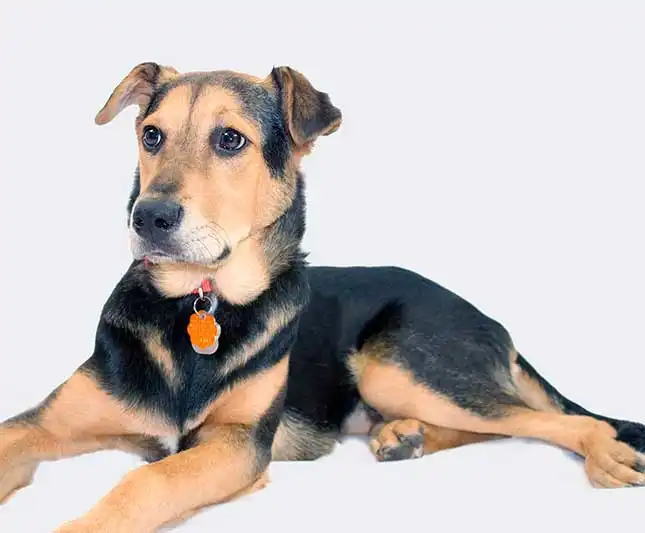
The Shepweiler, a remarkable blend of the German Shepherd and Rottweiler, is a large and sturdy canine. As a designer breed, they are celebrated for their strength and intelligence, making them wonderful family companions when given proper training. Generally, Shepwilers enjoy good health, with a lifespan of 10 to 13 years, though they may be susceptible to certain genetic health concerns. Training these dogs is typically manageable, but it demands consistency and a firm hand. Their coats usually display colors like black, brown, white, or tan, and they can also come in variations such as sable, red, fawn, or mixed hues. To keep shedding under control and maintain a clean home, regular brushing is essential.
Breed Origin
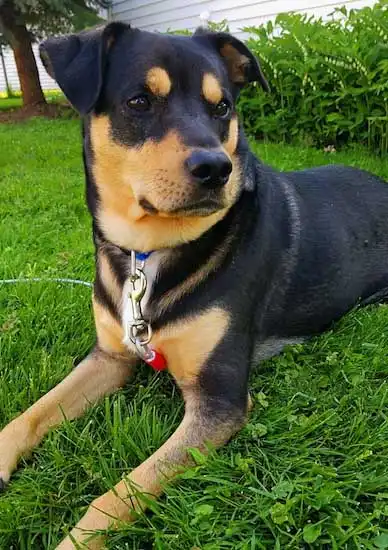
The Shepweiler is a relatively recent breed that does not have a well-defined history of its own, which leads us to examine its parent breeds: the German Shepherd and the Rottweiler. The German Shepherd was developed in Germany in the late 19th century by Max von Stephanitz, a captain in the German Cavalry. Driven by his enthusiasm for the breed, he sought to create an ideal standard by crossbreeding local shepherd dogs with various coat types. Initially, these dogs were primarily used for herding, but their roles later expanded to include military functions such as delivering food and transporting supplies. The breed's name has changed over time; at one point, it was called the Alsatian Wolf Dog in England due to negative sentiments towards its German name. However, in 1908, the American Kennel Club restored the original name when the breed was officially recognized, and it has since become the second most popular dog in the United States. In a similar vein, the Rottweiler also has German origins, dating back to the 7th century when it was bred from a combination of German Shepherds, Mastiffs, and Roman Drover dogs. It is thought that Roman soldiers developed the Rottweiler to protect their camps and herd cattle. The breed gets its name from the town of Rottweil, known for its distinctive red-tiled roofs. These strong and intelligent dogs evolved from herding to pulling carts and wagons after cattle driving was banned, eventually earning the nickname "Rottweil Butcher Dog" because of their association with butchers who relied on them to transport meat. Today, Rottweilers are frequently employed as police and guard dogs, as well as cherished family companions. They were recognized by the AKC in 1931 and currently hold the position of the eighth most popular dog breed in the United States.
Breed Appearance
The Shepweiler is a large breed, generally weighing between 75 and 115 pounds and standing about 25 inches tall. These dogs are known for their strong, muscular build, featuring long legs, sizable paws, and a powerful jaw with a distinctive black nose. Their eyes can be blue, brown, or even one of each color. The coat is dense and straight, typically showcasing a mix of black, brown, and white, or black, fawn, and tan, similar to the coloration of a German Shepherd. While their ears tend to hang down, they become erect when the dog is alert.

Care Routine
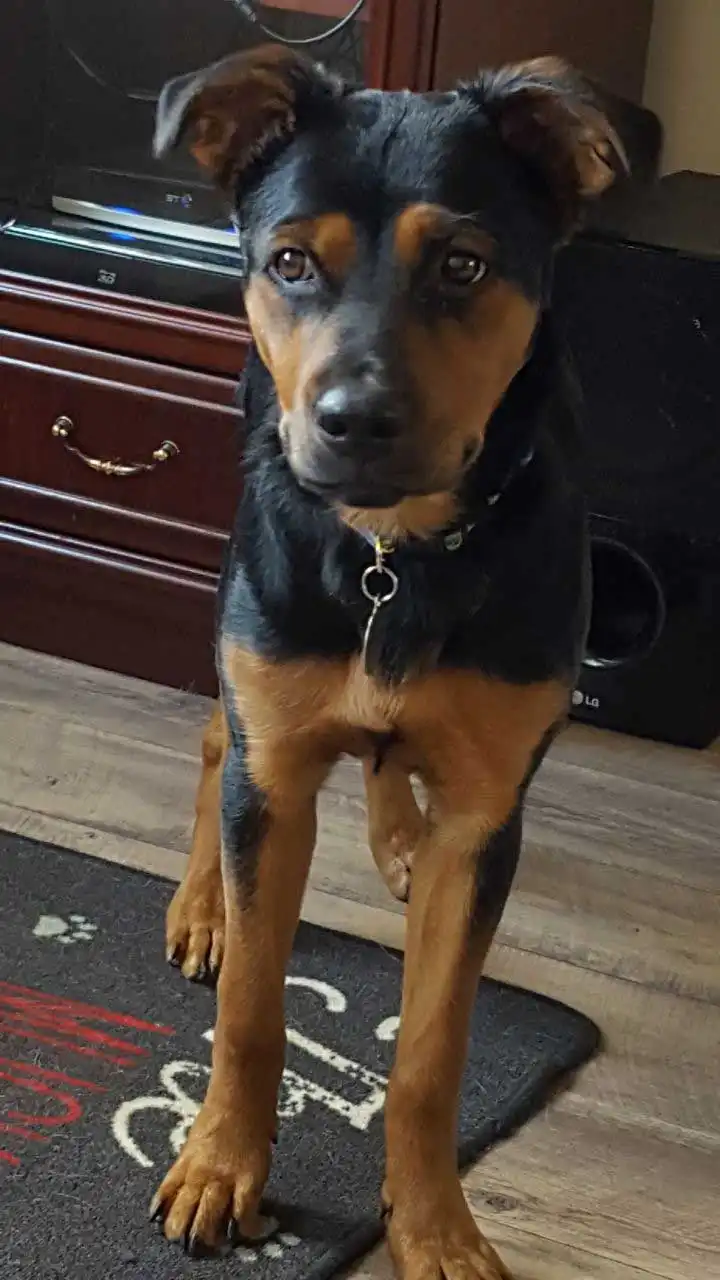
To keep your Shepweiler's coat looking shiny and healthy, it's advisable to brush them weekly, although daily light brushing can help control shedding. This breed tends to shed quite a bit, so to minimize hair on your furniture and clothing, consider using a slicker brush or a deshedder to remove loose fur on a daily basis. Bathing your Shepweiler should be done as needed, but be cautious not to overbathe, as this can result in dry skin and possible irritation or rashes. During bath time, take the chance to clean your dog's ears and check for any signs of redness or other concerns. Furthermore, regular nail trimming is crucial to prevent cracking and splitting.
Behavior & Temperament
This breed is frequently viewed as aggressive, but this misunderstanding can be corrected through appropriate training. Although the Shepweiler can be an effective guard dog, they are also highly trainable and receptive to commands. Contrary to popular belief, they are not naturally aggressive attack dogs unless trained to act that way. Early socialization is vital for them to get along with other animals, and supervision around young children is recommended. To establish yourself as the pack leader, it’s important to be consistent and firm in your training approach. Shepwilers flourish in settings where their owners can invest ample time in their training.


Play & Exercise
The Shepweiler needs plenty of physical and mental engagement, which means you should invest a considerable amount of time with your furry friend. Strive to spend at least one to one and a half hours each day interacting with your dog to avoid feelings of anxiety and boredom. A lack of exercise and attention can result in behavioral problems, such as destructive chewing and excessive barking. Due to their size, Shepwilers do best in homes that offer large, fenced yards where they can run and play freely. They also enjoy activities like walking, going to dog parks, playing fetch with balls or frisbees, and taking part in agility competitions.
Things to Know
Cups Per Day
3.5 Cups
Daily Activity
60 Minutes
Average Lifespan
12 Years
Origin
2000s
Type
Crossbreeds
Size
Large
Origin Country
United States
Brush Frequency
Weekly
Coat Texture
Straight
Register
Your kids have been begging for a pet forever, and you've recently decided that it's time for your family to get a new addition -- a dog! While everyone is excited for the new arrival, you're wondering if you need to have a dog license. How much does it cost? Is it required? Where do you get one?
Member Clubs

PETINNATE
Other
Height & Weight
Weight
93 lbs (42 kg)Male: 95 lbs (43 kg) , Female: 90 lbs (41 kg)
Height
25 inches (64 sm)Male: 26 inches (66 sm) , Female: 24 inches (61 sm)
6 Months
60 lbs ( m 60 lbs, f 60 lbs )
21 inches ( m 21 inches, f 21 inches )
12 Months
70 lbs ( m 70 lbs, f 70 lbs )
22 inches ( m 22 inches, f 22 inches )
18 Months
90 lbs ( m 90 lbs, f 90 lbs )
23 inches ( m 23 inches, f 23 inches )
Eye Colors
Blue

Brown
Nose Colors
Black
Coat Colors
Black
Brown
Red
Fawn
Sable
Brindle