Shethund
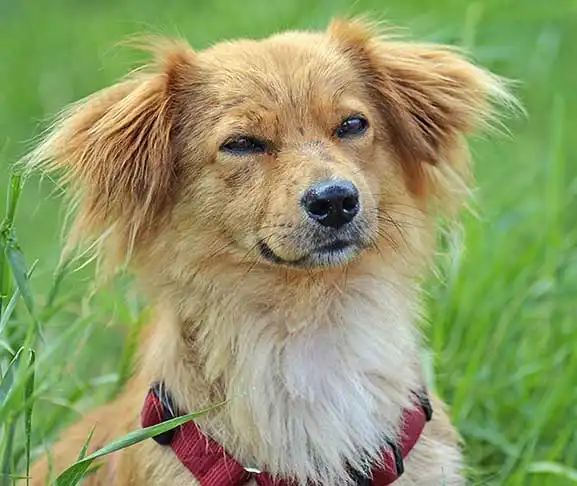
The Shethund is an enchanting hybrid resulting from the crossbreeding of the Shetland Sheepdog and the Dachshund. This distinctive mix merges two purebred breeds, each originally bred for hunting and herding tasks. While these functions have historical roots, the Shethund continues to exhibit these inherent characteristics, often leading to spirited interactions at home, especially in the presence of smaller animals such as cats, gerbils, or other dogs. With its appealing blend of loyalty, intelligence, and a protective instinct, this breed is well-suited to thrive in various household environments, regardless of their size or setting.
Breed Origin
The Shethund is a hybrid breed resulting from the combination of the Shetland Sheepdog and the Dachshund. Unfortunately, there is scant information available about the origins of this crossbreed, particularly regarding its inception in terms of time and place. In the absence of concrete historical documentation, it is plausible to suggest that the Shethund was developed in the United States during the late 20th or early 21st century, a period marked by a growing trend of creating mixed-breed dogs for various purposes. To gain a deeper understanding of this hybrid, we can delve into the histories of its parent breeds. The Shetland Sheepdog, often referred to as the Sheltie, has its origins in the Shetland Islands, situated north of Scotland's mainland, where it was developed in the 1700s. Its ancestry is believed to include a mix of breeds, such as Black and Tan King Charles Spaniels, Yakki dogs from Greenland, Scandinavian spitz-type dogs, and various working sheepdogs from Scotland, all of which have contributed to the Sheltie we know today. Initially bred for herding, the Sheltie was valued as a farmer's loyal companion, alerting them to the presence of strangers and helping to keep birds and other pests away from gardens and properties. Over time, selective breeding with Scottish herding dogs improved their herding capabilities, enabling them to effectively manage flocks and herds—skills that remain beneficial today, particularly for families with cats, gerbils, other dogs, or children. Formerly known as the Miniature Collie, the Sheltie likely made its way to North America before the early 1900s and received official recognition from the American Kennel Club in 1911, where it ranks as the 24th most popular breed. The Dachshund, which translates to "badger dog," originated in Germany around the 15th century. Bred specifically for flushing and hunting badgers, as well as pursuing foxes and wild boar, these dogs varied in size according to their intended prey. They could weigh between 30 to 35 pounds for hunting larger animals like badgers and boars, while smaller game such as hares and weasels required a lighter frame of around 12 pounds. Their short legs and sturdy bodies made them particularly adept at these tasks, showcasing impressive hunting abilities. Today, Dachshunds are available in both standard and miniature sizes, with a variety of coat types, and they continue to exhibit agility, a keen sense of smell, and their natural hunting instincts. The American Kennel Club recognized the Dachshund in 1885, and it currently holds the position of the 13th most popular breed in their registry. The Shethund hybrid is also acknowledged by the Designer Breed Registry.
Breed Appearance
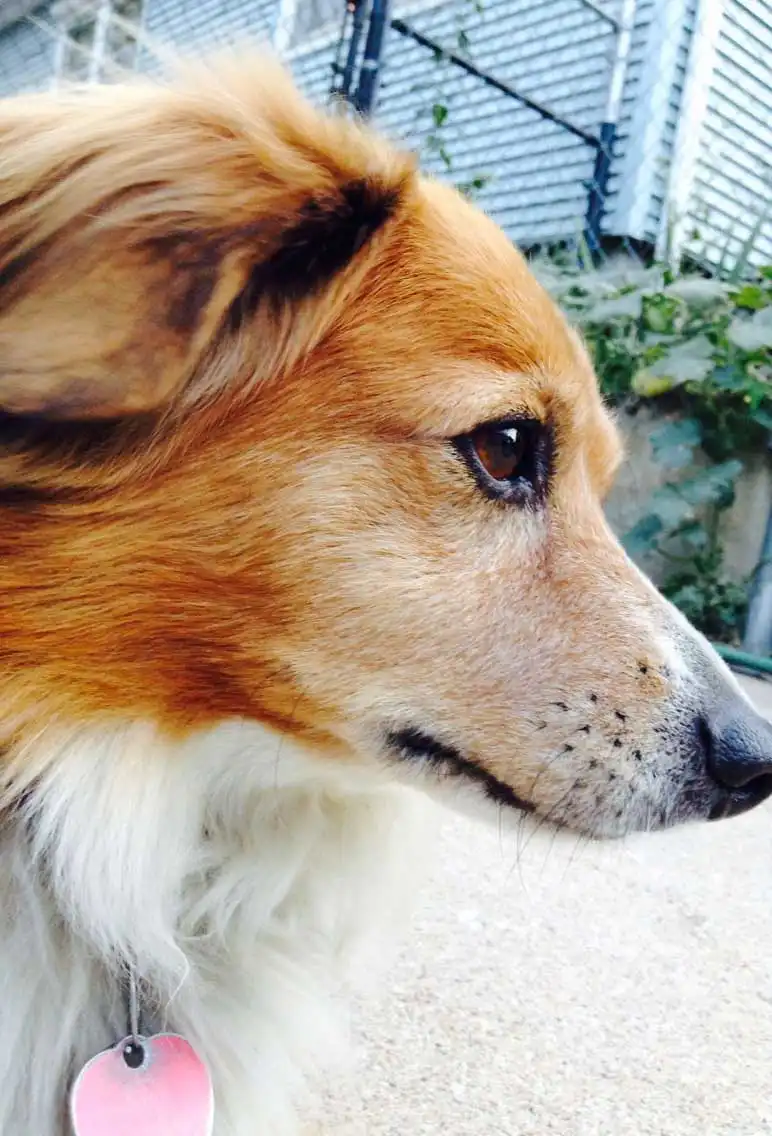
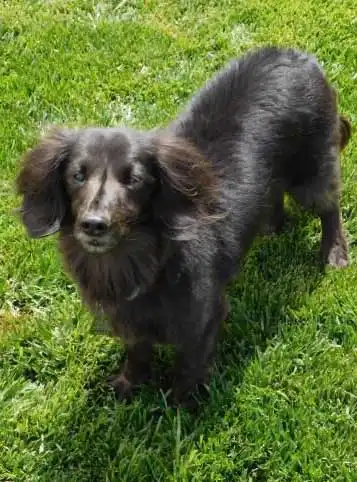
The Shethund hybrid, resulting from the combination of a Shetland Sheepdog and a Dachshund, can display a range of physical traits inherited from one or both parent breeds. Breeders and pet owners report that an adult Shethund typically weighs between 10 and 18 pounds. This breed often features the body shape, coat, and muzzle characteristics of the Sheltie, along with the short legs characteristic of the Dachshund. Coat colors can vary significantly, reflecting the dominant traits of the parent breeds, and may include hues such as brown, tan, red, sable, blue merle, and white. Generally, the Shethund has a double coat, consisting of a long, straight outer layer and a soft, fluffy undercoat, though some may have smooth or wiry fur with differing lengths. Its eyes are usually dark and almond-shaped, with blue eyes occasionally seen in blue merle individuals. The breed possesses a black nose and high-set ears, which can be either long and floppy or smaller and erect, with tips that lean forward. Additionally, the Shethund typically has a longer tail that remains straight, without curling or arching over its back.

Care Routine
The Shethund hybrid demands a moderate level of care regarding maintenance and shedding. Although her coat is not hypoallergenic, the required brushing frequency will depend on which parent breed's traits are more pronounced in her genetics. If she inherits a smooth coat, brushing her once a week will suffice; however, if her coat is longer and thicker, daily brushing will be necessary, especially during shedding periods. When it comes to drooling and odor, she is relatively low-maintenance. That said, she is quite vocal, so prospective owners in noise-sensitive settings should consider this aspect. Her hunting instincts and propensity to roam are moderate, which means it’s crucial to keep her on a leash when outside of a secure environment, like a fenced yard. As an energetic breed, she needs daily exercise of one to two hours to support her physical and mental health. Regular ear inspections are essential; check her ears weekly and clean them as needed with a cotton ball and a veterinarian-recommended ear wash. Additionally, monitor her toenails weekly, trimming them as required unless her regular activities naturally wear them down. To help prevent periodontal disease and potential tooth loss, it is advisable to brush her teeth two to three times a week.
Behavior & Temperament
The Shethund hybrid, a charming mix of the Shetland Sheepdog and the Dachshund, can exhibit a range of personality traits derived from one or both of its parent breeds. These characteristics may encompass friendliness, affection, assertiveness, bravery, gentleness, and intelligence. This breed is known for its independence, sociability, loyalty, playfulness, and responsiveness. Due to their heightened sensitivity, Shethunds tend to bark quite often. They can be an excellent option for novice dog owners, but if there are children in the home, it’s essential to provide early socialization. This preparation will help the dog interact positively with young ones who might not yet know how to engage with her properly. While she is likely to get along with family cats, her strong hunting instincts may prompt her to attempt to "herd" smaller animals and even children. Moreover, Shethunds have an innate tendency to wander, a trait passed down from their ancestry. They are generally friendly towards newcomers, though they may initially exhibit caution until they feel reassured that there is no danger to their family. Although the Dachshund's influence brings a degree of independence, Shethunds are usually eager to please, which makes training relatively straightforward. Their high energy levels necessitate daily exercise and engagement to maintain a balanced and happy home environment.


Play & Exercise
The Shethund hybrid is a lively breed that needs at least 1 to 2 hours of exercise daily. This can be accomplished through several walks or jogs, playtime at a dog park or a secure yard, and stimulating activities such as fetch, Frisbee, flyball, agility training, and obedience drills. Due to her strong hunting and exploratory instincts, it’s crucial to keep her leashed when outside your home or in any unsecured areas. Otherwise, you might find yourself chasing her down the street, through the neighborhood, or into the woods as she pursues a small animal or an enticing scent. Her size makes her a good fit for apartment or condo living, as long as you follow noise regulations and ensure she gets enough exercise each day. She can also thrive in a family home, with or without a fenced yard, as long as she has plenty of opportunities for physical activity, whether in a rural or urban setting. While she ideally prefers a temperate climate, she can adapt to both warmer and colder weather with the right precautions and care.
Things to Know
Cups Per Day
1.0 Cups
Daily Activity
90 Minutes
Average Lifespan
13 Years
Origin
2000's
Type
Crossbreeds
Size
Small
Origin Country
United States
Brush Frequency
Weekly
Coat Texture
Straight
Register
Your kids have been begging for a pet forever, and you've recently decided that it's time for your family to get a new addition -- a dog! While everyone is excited for the new arrival, you're wondering if you need to have a dog license. How much does it cost? Is it required? Where do you get one?
Member Clubs

PETINNATE
Other
Height & Weight
Weight
14 lbs (6 kg)Male: 14 lbs (6 kg) , Female: 14 lbs (6 kg)
Height
12 inches (30 sm)Male: 12 inches (30 sm) , Female: 12 inches (30 sm)
6 Months
11 lbs ( m 11 lbs, f 11 lbs )
9 inches ( m 9 inches, f 9 inches )
12 Months
14 lbs ( m 14 lbs, f 14 lbs )
12 inches ( m 12 inches, f 12 inches )
18 Months
14 lbs ( m 14 lbs, f 14 lbs )
12 inches ( m 12 inches, f 12 inches )
Eye Colors
Blue

Brown
Nose Colors
Black
Coat Colors
Black
Brown
Cream
Sable
Blue
White