Shikoku
Kochi-ken, Shikoku-Ken, Mikawa Inu, Japanese Wolfdog
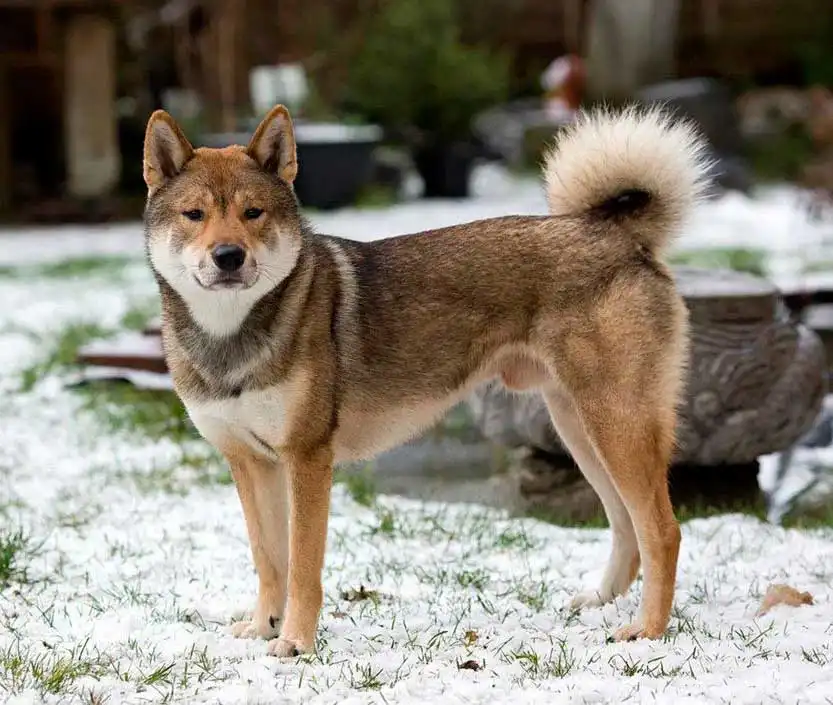
The Shikoku is a classic spitz breed recognized for its cautious demeanor around strangers. This dog possesses a brave and loyal disposition, making it a fierce guardian of its family. To thrive, the Shikoku needs a confident owner who can clearly define its place within the home. Early training and socialization are essential for shaping the Shikoku into a well-rounded adult. Without adequate social exposure, it may display heightened aggression towards other dogs and people. Furthermore, due to its strong instinct to chase, the Shikoku might not be the best fit for families with young children or other pets, although it generally gets along well with older kids it has been raised alongside.
Breed Origin
The Shikoku is one of only six spitz breeds native to Japan, originating from the island of Shikoku, particularly in the mountainous area of Kochi Prefecture. This breed was developed by the Matagi, traditional hunters who followed ancient Japanese practices. Originally called the Tosa Ken, the breed was renamed the Shikoku to prevent confusion with the Tosa Fighting Dog. The economic hardships that began in Japan in 1926 made dog ownership a luxury, putting the Shikoku at risk of disappearing. Cynologist Haruo Isogai's research identified just six native Japanese breeds with spitz heritage: the Shikoku, Shiba Inu, Hokkaido Inu, Kishu Ken, Kai Ken, and Akita. In response to this threat, the Nihon Ken Hozonkai (NIPPO) was founded in 1928 to focus on the preservation of these breeds. Initially, NIPPO prioritized the Shiba Inu and Akita but shifted its focus to the Shikoku in 1937. To support the breed's revival, the Shikoku was designated as a living natural monument of Japan. This recognition led to the establishment of three distinct lines of Shikoku, each named after its region of origin in Kochi Prefecture: Hata, Awa, and Hongawa. Due to the isolated nature of Kochi Prefecture, the Shikoku remained relatively obscure until the late 1960s and early 1970s, when it began to be imported to Western countries. The breed received official recognition from the American Kennel Club's Foundation Stock Service in 2014.
Breed Appearance
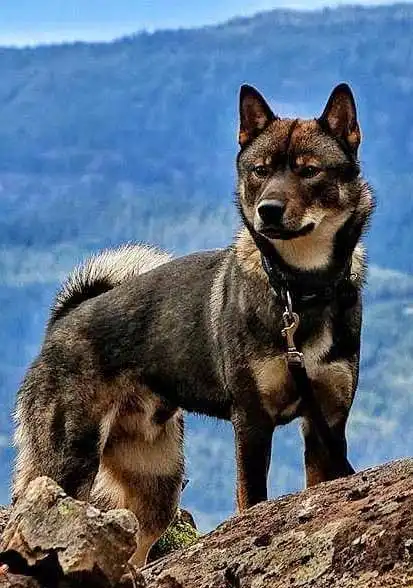
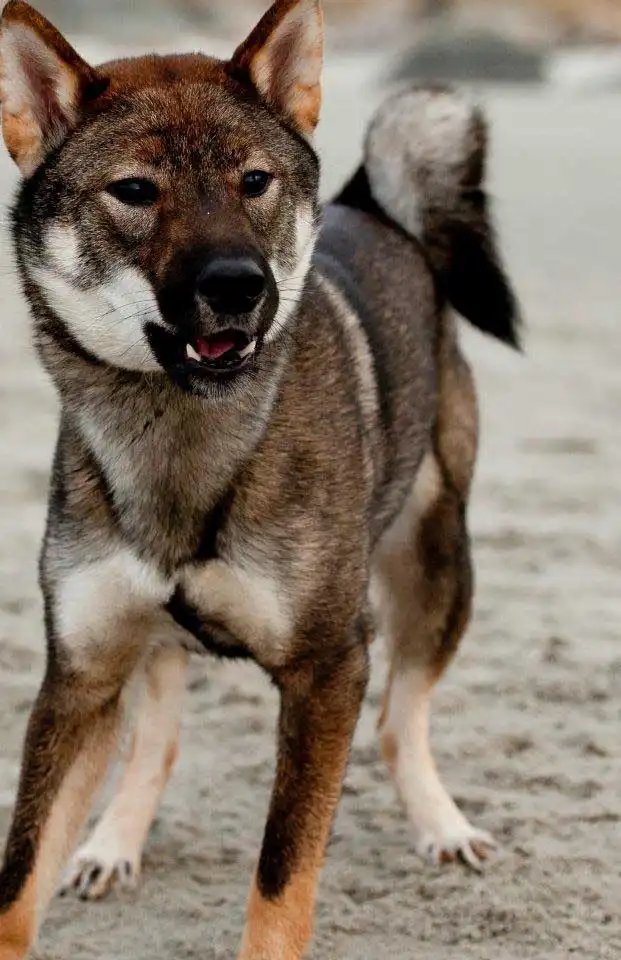
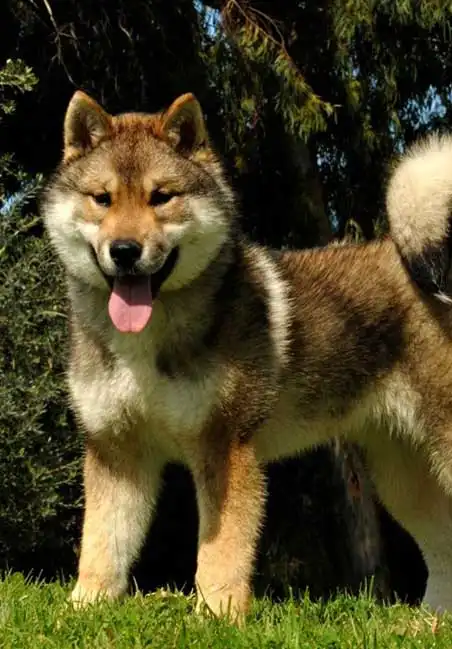
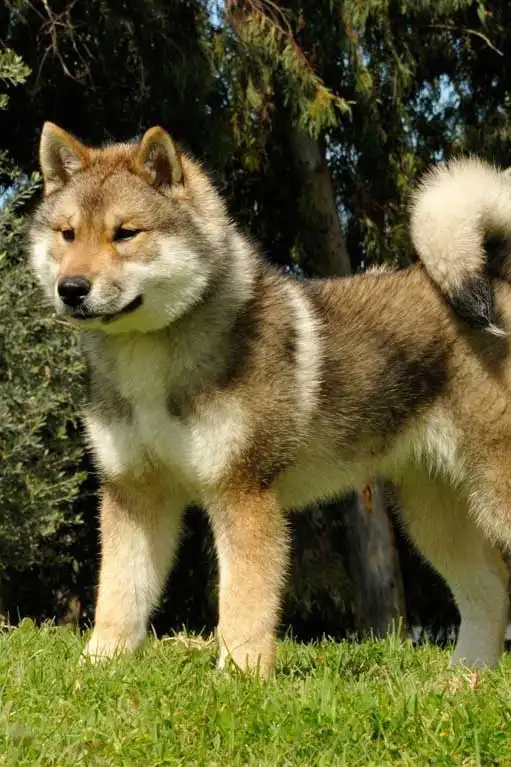
The Shikoku is a medium-sized dog known for its unique curled spitz tail. It features a thick double coat and erect ears, while its almond-shaped, slanted eyes are a rich brown, giving it an inquisitive look that enhances its sharp facial features. The head is wedge-shaped, with a broad skull and a long, tapering muzzle. Its nose is black with smaller nostrils, and the lips are also black and snugly fitted. This breed is compact and muscular, sporting a topcoat that is straight and coarse. The fur around the neck and chest is longer, as is the hair on the tail, which contributes to the feathering on the back of the legs. Underneath, there is a dense, softer undercoat. The Shikoku possesses strong hindquarters that allow for quick directional changes, and its well-rounded, closely fitting feet ensure stability on rough terrain. This breed is available in several colors, including red sesame, black sesame, sesame, red, and black and tan.
Care Routine
The Shikoku is recognized for its seasonal fur loss, typically shedding a considerable amount of hair once or twice a year. With its dense double coat, this breed is not classified as hypoallergenic. To keep your Shikoku’s coat looking vibrant and healthy, it’s recommended to brush them at least weekly. Use a slicker brush along with a metal comb, and during heavy shedding seasons, consider adding a deshedder or undercoat rake to your grooming routine. Limit bathing to every few months—around three times a year—since this breed does not have a strong odor. When you do bathe your Shikoku, choose a mild shampoo that is gentle on their skin. Additionally, check their ears weekly and clean them as needed. Regularly examine their nails every few weeks and trim them when necessary; if your dog dislikes clippers, a nail grinder can be an effective alternative. Establishing a dental care routine is also crucial for ensuring strong teeth and healthy gums.
Behavior & Temperament
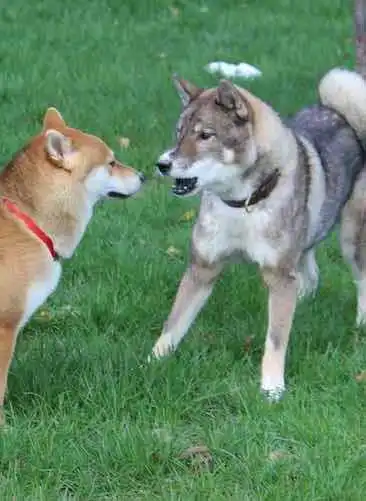
The Shikoku is naturally cautious around strangers and has a remarkable talent for evaluating people's character. If he senses any negativity from an individual, he is likely to avoid them. This breed is deeply loyal to its family and has an inherent protective instinct. To curb any potential aggressive behaviors, early socialization is essential. Ideally, the Shikoku flourishes under the care of a knowledgeable owner, as he can be quite dominant if he perceives a chance to assert himself in the home. It’s important for children to earn his respect; therefore, very young kids might not be the best fit, as they often find it difficult to understand this dynamic. In contrast, older children who grow up with the Shikoku can develop a bond of trust and admiration with him. Given his strong prey drive, he should never be left alone with small pets such as cats, ferrets, or guinea pigs. Regular physical activity and social interaction with his family are crucial; without these, he may become restless and cause disruptions at home.
Play & Exercise
Things to Know
Cups Per Day
2.6 Cups
Daily Activity
60 Minutes
Average Lifespan
11 Years
Origin
1700s
Type
Pure Breeds
Size
Medium
Origin Country
Japan
Brush Frequency
Weekly
Coat Texture
Straight
Register
Your kids have been begging for a pet forever, and you've recently decided that it's time for your family to get a new addition -- a dog! While everyone is excited for the new arrival, you're wondering if you need to have a dog license. How much does it cost? Is it required? Where do you get one?
Member Clubs

PETINNATE
Northern Breed

AKC
Foundation Stock Service

UKC
Northern Breed
Height & Weight
Weight
45 lbs (20 kg)Male: 45 lbs (20 kg) , Female: 45 lbs (20 kg)
Height
19 inches (48 sm)Male: 21 inches (53 sm) , Female: 18 inches (46 sm)
6 Months
17 lbs ( m 17 lbs, f 17 lbs )
15 inches ( m 15 inches, f 15 inches )
12 Months
37 lbs ( m 37 lbs, f 37 lbs )
17 inches ( m 17 inches, f 17 inches )
18 Months
45 lbs ( m 45 lbs, f 45 lbs )
18 inches ( m 18 inches, f 18 inches )
Eye Colors
Brown

Nose Colors
Black
Coat Colors
Black
Red