Shockerd
The Shockerd is a hybrid breed that emerges from the union of the purebred English Shepherd and the Cocker Spaniel. While the Cocker Spaniel enjoys considerable popularity, the English Shepherd remains relatively obscure and is not recognized by the American Kennel Club in the United States. Both parent breeds are celebrated for their affectionate demeanor, loyalty, and ease of training. Typically, the Shockerd displays a gentle nature, leaning more towards sensitivity than aggression. Although some may exhibit shyness, with appropriate socialization and attentive care, they can overcome any initial reluctance. This hybrid is not in high demand, likely due to the limited acknowledgment of the English Shepherd in the U.S. Currently, the breed is officially recognized by only two organizations: the Dog Registry of America and the International Designer Canine Registry.

Breed Origin
The Shockerd is a relatively recent hybrid breed, created by crossing a purebred Cocker Spaniel with an English Shepherd. Although it may not be as widely recognized as some other designer breeds, this could be due to the English Shepherd's lesser-known reputation. For those curious about this hybrid, delving into the histories and traits of both parent breeds can offer valuable insights. The Cocker Spaniel, part of the Spaniel family, was developed in England in the 1800s primarily for hunting woodcock. Enthusiasts saw the breed's potential and began selective breeding to highlight its friendly and gentle nature. By the late 1800s, Cocker Spaniels made their way to the United States, where the American Kennel Club officially recognized the breed in 1878. The breed's popularity soared throughout the 20th century, partly due to a notable dog named Brucie, who won Best in Show for two consecutive years. Remarkably, Brucie is the only dog to have an obituary published in the New York Times. Today, the Cocker Spaniel is cherished for its sweet temperament and medium size. In contrast, the English Shepherd is an ancient breed that has thrived along the borders of England and Scotland for centuries, serving as a herder and protector of cattle and sheep. This breed traces its origins back nearly 2,000 years to the British Isles, where Roman dogs intermingled with local breeds. Over the years, the English Shepherd has developed into an outstanding herding dog, valued more for its functionality than its appearance. Its herding technique features an upright stance and a calm demeanor, enabling it to guide livestock without intimidation, relying on body language rather than aggressive movements or constant eye contact. The English Shepherd is a precursor to show breeds like the Border Collie. While the American Kennel Club does not recognize the English Shepherd as a separate breed, the United Kennel Club does acknowledge it and follows the breed standards established by the English Shepherd Club.
Breed Appearance
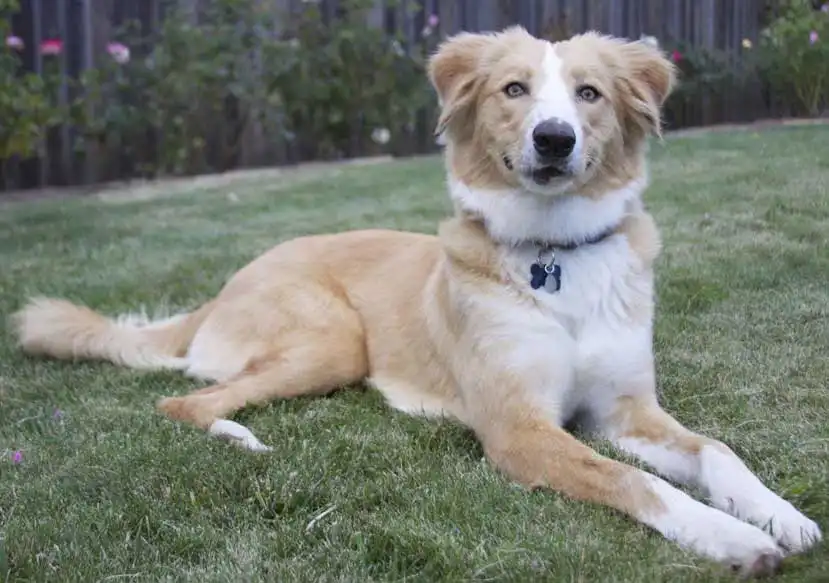
The Shockerd is a medium-sized dog known for its wavy, medium-length fur. This breed has a well-balanced and proportionate body structure. Its head is round, with ears that hang down beside it. The eyes are also round and come in shades ranging from medium to dark brown. The muzzle is of moderate length and tapers to a black nose. The Shockerd has straight legs, and its tail can either be a short bob or of moderate length, finished with a delicate brush.


Care Routine
The Shockerd is not classified as a hypoallergenic breed and typically sheds hair at a moderate rate. To reduce the amount of loose and dead fur, it is advisable for owners to brush their Shockerd twice a week, utilizing either a pin brush or a slicker brush. This breed has delicate skin that can easily become irritated from frequent baths, so it is recommended to bathe them only when absolutely necessary. Consistent weekly brushing aids in distributing the natural oils in their skin, which in turn supports a healthy coat and skin condition. Although the Shockerd is generally not prone to dental issues, it is beneficial to brush their teeth on a weekly basis. Furthermore, if the dog does not naturally wear down its nails, they should be trimmed as needed, usually around twice a month.
Behavior & Temperament
The Shockerd is known for its gentle and loving nature, making it an excellent choice for families. This breed shows remarkable patience and affection towards children. With herding and protective traits inherited from the English Shepherd, the Shockerd instinctively looks out for its family. However, it’s crucial to ensure that children are never left alone with any dog. While the Shockerd may display some shyness, it is generally curious and welcoming to new people. Any timid behavior can be effectively managed through proper socialization and training. Thanks to its intelligence and eagerness to please, training a Shockerd is typically a smooth experience. Although the Cocker Spaniel lineage may lead to some tendencies for separation anxiety, the influence of the English Shepherd helps the Shockerd cope better with being alone. Still, it’s best to avoid leaving this breed alone for extended periods.


Play & Exercise
The Shockerd is a lively hybrid breed that excels in activities such as running, jumping, and herding. This breed cannot be sedentary indoors and needs a securely fenced yard for adequate exercise. To maintain their health and happiness, Shockerds require a minimum of one hour of physical activity daily, along with plenty of mental stimulation. Without enough mental engagement, they may become restless, which can result in unwanted behaviors or anxiety. While having a committed owner is crucial, prior experience with dogs is not mandatory. The Shockerd adapts well to different weather conditions but thrives in temperate climates and is not well-suited for apartment living. This hybrid truly flourishes in a rural environment where it has ample space to explore.
Things to Know
Cups Per Day
2.5 Cups
Daily Activity
60 Minutes
Average Lifespan
14 Years
Origin
Unknown
Type
Crossbreeds
Size
Medium
Origin Country
United States
Brush Frequency
Weekly
Coat Texture
Wavy
Register
Your kids have been begging for a pet forever, and you've recently decided that it's time for your family to get a new addition -- a dog! While everyone is excited for the new arrival, you're wondering if you need to have a dog license. How much does it cost? Is it required? Where do you get one?
Member Clubs

PETINNATE
Other
Height & Weight
Weight
38 lbs (17 kg)Male: 39 lbs (18 kg) , Female: 36 lbs (16 kg)
Height
18 inches (46 sm)Male: 19 inches (48 sm) , Female: 18 inches (46 sm)
6 Months
34 lbs ( m 34 lbs, f 34 lbs )
16 inches ( m 16 inches, f 16 inches )
12 Months
36 lbs ( m 36 lbs, f 36 lbs )
17 inches ( m 17 inches, f 17 inches )
18 Months
36 lbs ( m 36 lbs, f 36 lbs )
17 inches ( m 17 inches, f 17 inches )
Eye Colors
Blue

Brown
Nose Colors
Black
Coat Colors
Red
Brown
Black

White
Fawn
Sable