Shug
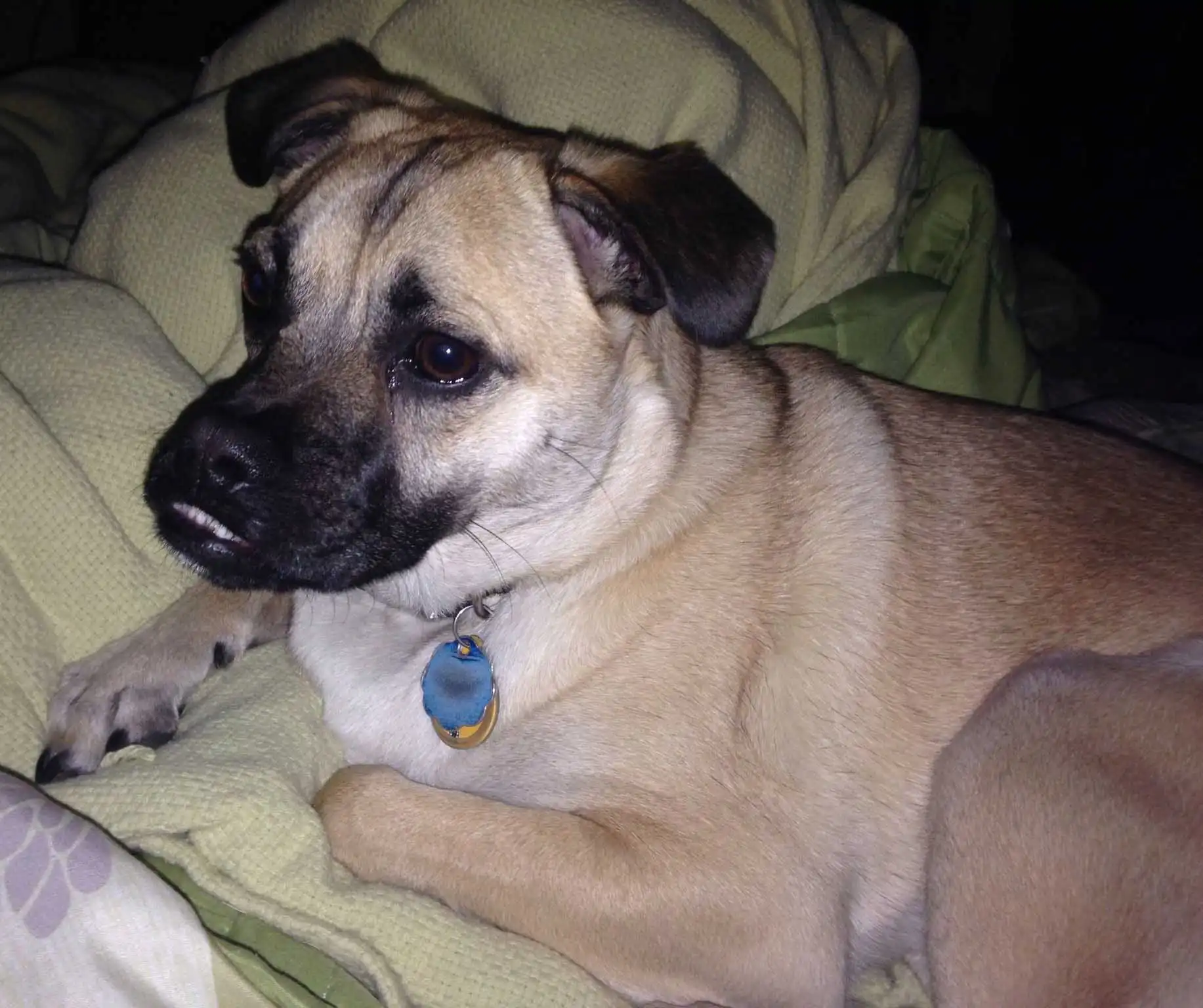
The Shug is a hybrid dog that emerges from the combination of a German Shepherd and a Pug. This medium-sized breed is relatively easy to care for and is recognized for its ability to learn quickly; it readily follows commands and has a strong inclination to please its owner. Regular physical activity is crucial for the Shug, as it is an active breed that flourishes with exercise. Generally, this dog is friendly with children of all ages and tends to get along well with other dogs. With proper socialization, it can also coexist harmoniously with various other pets. The Shug is both playful and loving, and while it benefits from having a secure yard for play, it can also adapt well to apartment living, provided it receives ample exercise opportunities.
Breed Origin
The Shug is a relatively rare hybrid breed, and understanding its origins requires an exploration of its parent breeds' histories. The German Shepherd's lineage dates back to 1899, when Captain Max von Stephanitz aimed to establish a unique breed by crossbreeding various sheepherding dogs from across Germany. He traveled extensively, attending dog shows and studying British breeding practices. That same year, he encountered a dog he deemed ideal, characterized by a wolf-like appearance. Enchanted, he acquired the dog and began breeding it with other German sheepherding breeds. Even as the demand for sheepherding diminished in Germany, Stephanitz remained dedicated to creating a working dog. As traditional sheepherding waned, he shifted focus to integrating the breed into police and military functions, which ultimately led to its adoption by the German military. Interestingly, some American soldiers returning from World War II brought German Shepherd puppies back to the United States. Conversely, the Pug has its roots in the Orient, with some experts suggesting a distant link to the Tibetan Mastiff. This breed was cherished by royalty, and tales recount soldiers who guarded Pugs belonging to noble families. During the 1500s and 1600s, as trade between China and Europe expanded, Pugs began to make their way westward. European aristocrats quickly fell in love with these charming little dogs. A famous anecdote involves William of Orange, who credited a Pug with saving his life by warning him of approaching strangers, specifically Spaniards. In gratitude for this loyalty, he declared the Pug the official dog of the House of Orange. Additionally, notable historical figures like Marie Antoinette and Josephine Bonaparte were known to be Pug enthusiasts. The breed eventually arrived in America after the Civil War, and the American Kennel Club officially recognized the Pug in 1885.
Breed Appearance
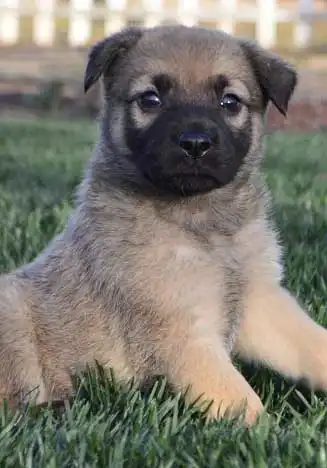
The Shug is anticipated to be a larger version of a Pug, showcasing a short, straight coat that may have a wiry texture reminiscent of its German Shepherd lineage. Typically, the breed's coloration is expected to be tan or cream; however, if both parent dogs are black, the Shug could inherit a darker shade. There is also a chance of brindle patterns appearing in its coat. This breed might possess the distinctive brachycephalic snout of the Pug, along with a curly tail that curls over its back. The Shug is likely to have a sturdy, possibly plump physique, characterized by a deep and wide chest. It may feature white markings on its chest and belly, and it will likely have a predominantly black muzzle, with most of its nose being black as well.


Care Routine
The Shug is designed to be low-maintenance. Its short coat rarely sheds, so a weekly brushing is enough to remove any loose hairs. To avoid tartar buildup and unpleasant breath, it's recommended to brush the dog's teeth two to three times a week, with daily brushing being ideal to prevent tooth decay. Additionally, clean the ears weekly using a damp cotton ball, and watch for any signs of redness or odor, which may signal an infection. Nail trimming should occur every two weeks, unless the nails naturally wear down. It's important to prevent cracks and tears in the nails, as these can be painful and may lead to infections if dirt becomes trapped.
Behavior & Temperament
The Shug is an exuberant and spirited dog, recognized for his sharp intellect, which simplifies the training process. However, housebreaking can prove to be a bit more difficult than obedience training, primarily due to the stubborn traits passed down from his Pug ancestry. This playful canine is usually sociable and loves to meet new people. He interacts well with children of all ages, but it’s crucial to provide him with early socialization to help him learn how to engage appropriately with other dogs and pets. Although he is generally outgoing, he may display some reserved behavior inherited from his German Shepherd parent. The Shug adapts well to apartment living, provided he has ample opportunities for physical activity. He is incredibly loyal and deeply committed to his family.


Play & Exercise
The Shug is a lively breed that enjoys brisk, short walks in your neighborhood. However, it's essential to keep in mind that he may inherit the brachycephalic traits from his Pug ancestry, which necessitates careful monitoring of his activity to avoid overexertion that could cause breathing difficulties. Always ensure he has access to fresh water, especially during hot weather. He will also love trips to the dog park. If you choose to let him romp in a secure area, make sure the fence is buried deep, as his German Shepherd lineage is known for its digging habits. On days when outdoor play isn't feasible, provide him with chew toys and mentally engaging games to keep him entertained indoors.
Things to Know
Cups Per Day
2.0 Cups
Daily Activity
45 Minutes
Average Lifespan
14 Years
Origin
Unknown
Type
Crossbreeds
Size
Medium
Origin Country
Unknown
Brush Frequency
Weekly
Coat Texture
Wiry
Register
Your kids have been begging for a pet forever, and you've recently decided that it's time for your family to get a new addition -- a dog! While everyone is excited for the new arrival, you're wondering if you need to have a dog license. How much does it cost? Is it required? Where do you get one?
Member Clubs

PETINNATE
Other
Height & Weight
Weight
48 lbs (22 kg)Male: 48 lbs (22 kg) , Female: 48 lbs (22 kg)
Height
13 inches (33 sm)Male: 13 inches (33 sm) , Female: 13 inches (33 sm)
6 Months
22 lbs ( m 22 lbs, f 22 lbs )
9 inches ( m 9 inches, f 9 inches )
12 Months
30 lbs ( m 30 lbs, f 30 lbs )
13 inches ( m 13 inches, f 13 inches )
18 Months
42 lbs ( m 42 lbs, f 42 lbs )
14 inches ( m 14 inches, f 14 inches )
Eye Colors
Hazel
Brown
Nose Colors
Black
Coat Colors
Black
Brindle
Fawn
Cream