Silkshire Terrier
Silkyshire
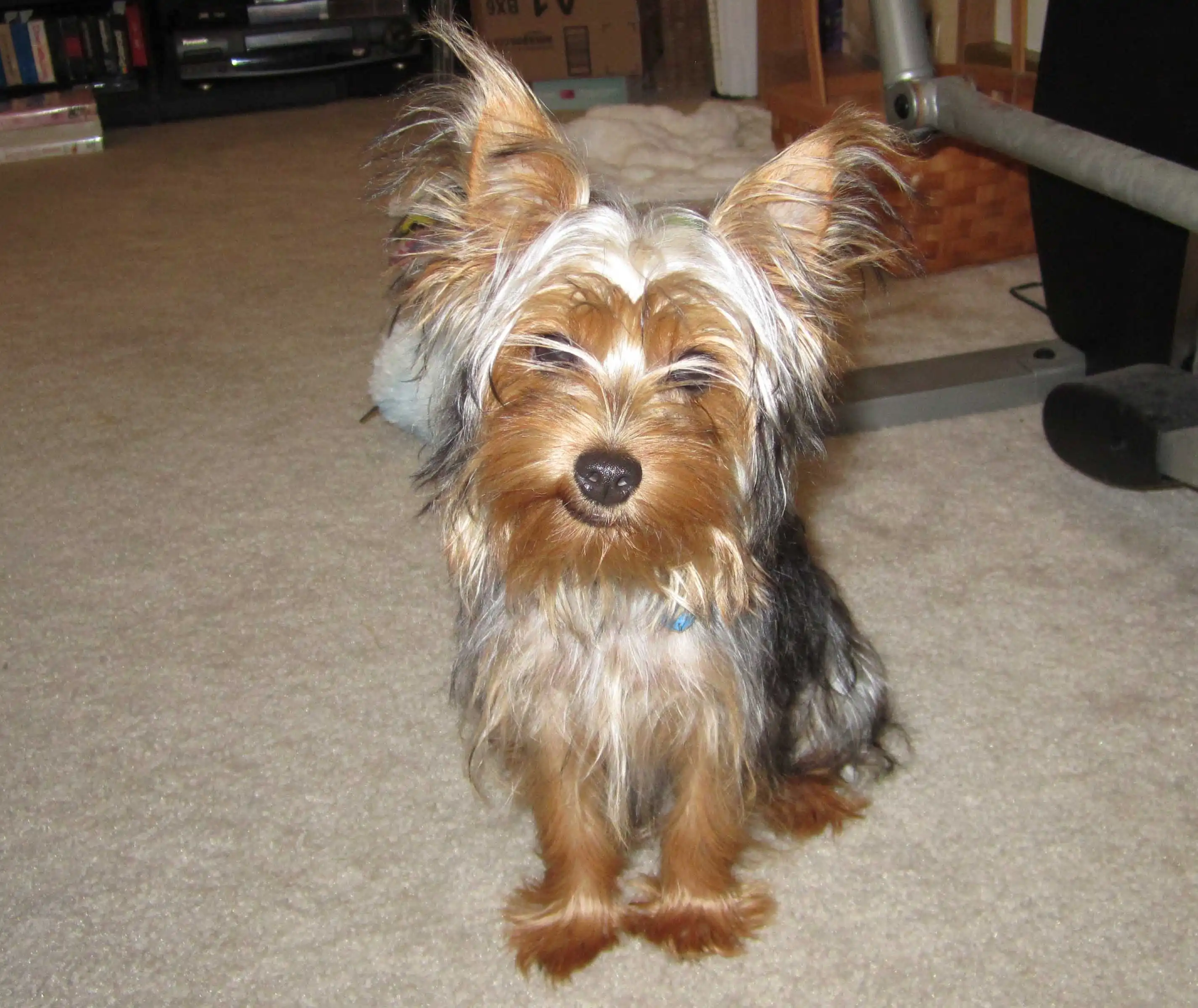
The Silkshire Terrier is a charming blend of the popular Yorkshire Terrier and the Silky Terrier. These petite dogs usually reach a height of about 10 inches and weigh under 10 pounds, yet they are full of personality. Their long, silky coats come in various colors, including blue and tan, black and tan, or blue and red, requiring consistent grooming to maintain their appearance. As members of the toy group, Silkshire Terriers make excellent companions. Their minimal exercise needs make them especially ideal for apartment dwellers.
Breed Origin
The origins of the Silkshire Terrier are somewhat enigmatic, yet the breeds that form the foundation of this delightful companion are well-established. The Yorkshire Terrier, affectionately known as the Yorkie, was officially recognized by the American Kennel Club in 1885. This breed traces its roots back to 19th-century England, where it was primarily bred for hunting small rodents. Named after its city of origin, the Yorkshire Terrier is believed to be a mix of several Terrier breeds, including the Skye, Manchester, Dandie Dinmont, Paisley, and Maltese. Today, Yorkies are mainly cherished as pets and have notably shrunk in size compared to their ancestors, often found snuggled in their owners' bags or purses. Their fashionable appeal is accentuated by their penchant for stylish hair bows and various accessories. The Silky Terrier, on the other hand, was developed in Australia during the late 19th and early 20th centuries through the crossing of the Australian Terrier and the Yorkshire Terrier. While they were primarily bred as companion animals, they still possess strong Terrier instincts, making them adept at hunting snakes and vermin. The American Kennel Club officially recognized this breed in 1959. A remarkable moment in its history occurred in 1996 when a Silky Terrier was awarded the Australian Purple Cross of Bravery for its heroic act of safeguarding its young owner from a venomous brown snake. Regrettably, the precise timeline and motivations behind the creation of the Silkshire Terrier remain uncertain. Nevertheless, its appeal as a companion animal has surged, leading to its recognition by both the Dog Registry of America and the International Designer Canine Registry.
Breed Appearance
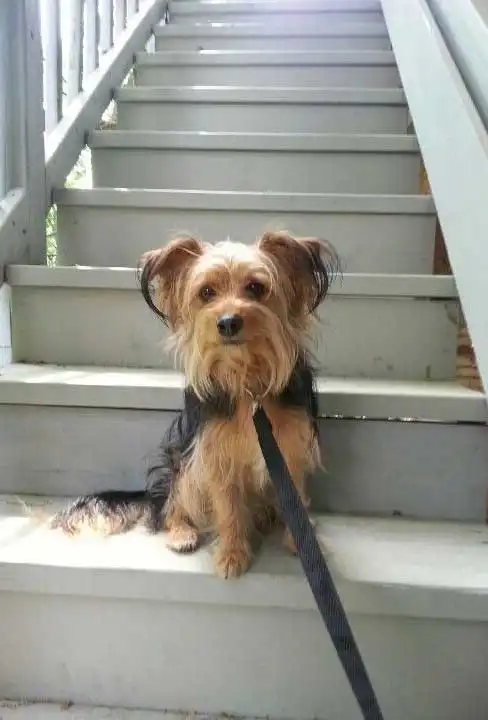
The Silkshire Terrier is a small and lightweight breed, notable for its long, silky coat that closely resembles human hair rather than typical dog fur. Usually weighing less than 10 pounds, these compact dogs have wedge-shaped heads and almond-shaped brown eyes. Their ears are erect and pointed, while their tails are of medium length, which can either be docked or left natural. The most remarkable feature of the Silkshire Terrier is its luxurious coat, which is long, fine, and silky. Typically, the fur is darker on the back and neck, with lighter shades on the face and lower legs. Coat colors can vary widely, including combinations of black and tan, blue and tan, and blue and red.
Care Routine
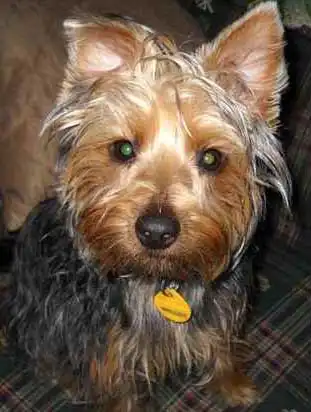
The Yorkshire Terrier and Silky Terrier are both breeds known for being hypoallergenic, which makes their crossbreed, the Silkshire Terrier, an excellent option for allergy sufferers. Unlike the fur of most dogs, Silkshire Terriers possess hair that sheds very little. However, their luxurious coats demand significant maintenance. Daily brushing is crucial to prevent tangles, and since their hair is more akin to human hair than typical dog fur, they require more frequent baths. Ideally, their hair should be kept at a length of about 6 inches to prevent it from dragging on the ground. Some Silkshire Terriers may benefit from a trim approximately twice a year. To keep their hair out of their eyes, it can be styled into a top-knot or cut shorter. Additionally, regular ear cleaning is important to remove excess wax and debris, while consistent teeth brushing and nail trimming are also essential for their overall grooming.
Behavior & Temperament
Although they are small in stature, Silkshire Terriers are full of personality. These dogs are smart, energetic, and alert, adapting well to a variety of settings. They typically form stronger connections with older children who understand how to engage with a breed of this size. Their temperament may not be as friendly towards younger kids, and they often find it difficult to get along with other animals. Known for their steadfast loyalty, Silkshire Terriers are wonderful companions and effective watchdogs. However, their tendency to be quite vocal can create difficulties for those living in apartments. While they are intelligent and respond well to consistent, patient training, housetraining can be quite challenging.
Play & Exercise
The Silky Terrier and Yorkshire Terrier are both energetic breeds, but their small stature means they can tire quickly and don’t require large areas for exercise. A short walk or a quick play session in the yard is typically enough to wear out your Silkshire Terrier. Their relatively low exercise needs make them ideal for city living, including apartments and homes with minimal outdoor space. When outdoors, especially in rural areas, it’s crucial to keep an eye on them to safeguard against larger animals. Furthermore, these intelligent dogs benefit greatly from mental engagement as well.
Things to Know
Cups Per Day
1.0 Cups
Daily Activity
60 Minutes
Average Lifespan
14 Years
Origin
Unknown
Type
Crossbreeds
Size
Small
Origin Country
Unknown
Brush Frequency
Daily
Coat Texture
Straight
Register
Your kids have been begging for a pet forever, and you've recently decided that it's time for your family to get a new addition -- a dog! While everyone is excited for the new arrival, you're wondering if you need to have a dog license. How much does it cost? Is it required? Where do you get one?
Member Clubs

PETINNATE
Other
Height & Weight
Weight
10 lbs (5 kg)Male: 10 lbs (5 kg) , Female: 10 lbs (5 kg)
Height
9 inches (23 sm)Male: 9 inches (23 sm) , Female: 9 inches (23 sm)
6 Months
4 lbs ( m 4 lbs, f 4 lbs )
5 inches ( m 5 inches, f 5 inches )
12 Months
6 lbs ( m 6 lbs, f 6 lbs )
8 inches ( m 8 inches, f 8 inches )
18 Months
7 lbs ( m 7 lbs, f 7 lbs )
8 inches ( m 8 inches, f 8 inches )
Eye Colors
Brown

Nose Colors
Black
Coat Colors
Blue

Fawn
Black
Red