Silky Jack
Silky Jack Russell
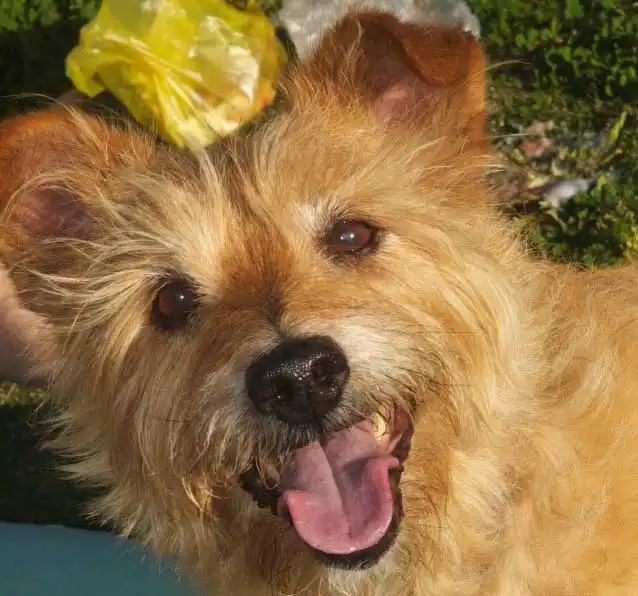
The Silky Jack is a charming small dog known for its long, silky coat, which is a result of breeding between the Jack Russell Terrier and the Silky Terrier. Both parent breeds fall under the toy category, so the Silky Jack usually reaches a height of no more than 12 inches and weighs around 15 pounds on average. Its beautiful, straight fur comes in various colors, such as cream, chocolate, black, and gray. Although they are generally easy to train, their terrier heritage gives them a high energy level, necessitating regular exercise to stay healthy. Furthermore, their long coat requires frequent grooming and bathing to keep it looking its best.
Breed Origin
The Silky Jack is a relatively recent hybrid, and as such, its origins are not thoroughly documented. Nevertheless, we can draw some understanding from the histories of its parent breeds: the Jack Russell Terrier and the Silky Terrier. The Jack Russell Terrier, which originated in England, was developed in the 1800s by Reverend John Russell, a passionate fox hunter. His goal was to create the perfect breed for hunting and flushing foxes, initially naming them the Parson Russell Terrier, derived from various types of Terriers. Over time, the name evolved to Jack Russell Terrier in some areas, while others continued to use the original Parson Russell Terrier designation. In the United States, this breed is represented by two organizations: the Jack Russell Terrier Club of America and the Parson Russell Terrier Association of the United States. The American Kennel Club (AKC) first recognized the breed as the Jack Russell Terrier in 1997, but in 2003, it officially adopted the name Parson Russell Terrier. Today, this breed ranks as the 109th most popular in the U.S. Conversely, the Silky Terrier originates from Australia, emerging in the 1800s through the crossbreeding of the Yorkshire Terrier and the Australian Terrier, with the intention of creating an appealing companion. It wasn't until 1906 that the breed gained formal recognition in New South Wales, followed by Victoria three years later. However, there were inconsistencies in breed standards between these regions, and a universally accepted standard was not established until 1926. In 1932, the breed was renamed the Sydney Silky, and the Kennel Control Council of Victoria prohibited any further crossbreeding with Australian and Yorkshire Terriers. The Silky Terrier was introduced to America in 1955 by soldiers returning from World War II, which led to the formation of the Silky Terrier Club of America. The AKC recognized the breed in 1959, and it currently ranks as the 100th most popular breed in the country.
Breed Appearance
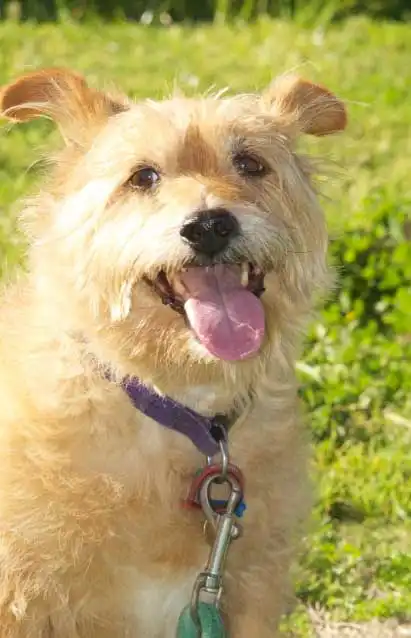
The Silky Jack features a coat that lives up to its name, showcasing a range of color combinations such as chocolate and cream, black, white, brown, gray, blue, and black. Additional color variations include sable and white, blue and silver, red, brindle and white, pied, or any blend of these shades. These dogs are relatively small, generally weighing under 15 pounds and standing less than a foot tall. They have a compact yet robust physique, marked by short legs, small almond-shaped brown eyes, and a black nose on a petite muzzle. Their ears can either stand erect or hang down, and they have a tail that varies from short to medium length, often embellished with feathers.


Care Routine
To keep your Silky Jack's stunning coat in top condition, daily grooming is crucial due to its length and silky texture. This breed is susceptible to tangles and mats, so utilizing a pin brush and comb is highly recommended. For particularly stubborn knots, a dematter can be helpful. To avoid frizz and tangling, it's best to bathe her with a specialized conditioner twice a month. Furthermore, remember to trim her nails monthly or as needed, and clean her teeth weekly using a soft toothbrush.
Behavior & Temperament
This affectionate breed can make a wonderful addition to any household, as long as they receive adequate socialization and training. Typically, they are joyful and alert, displaying a loyal disposition and a playful nature, although they may be wary of strangers. It’s recommended to introduce them to visitors, as they might bark or behave defensively if they perceive a threat. Training a Silky Jack is relatively easy, especially if you set clear boundaries from the beginning and maintain consistency. Emphasizing positive reinforcement methods rather than physical punishment is crucial to prevent the development of aggressive behavior. With enough exercise and attention, your Silky Jack should be able to stay alone for a few hours while you’re at work; however, if you anticipate being away for a longer duration, it’s advisable to arrange for someone to care for your pet.


Play & Exercise
The Silky Jack thrives on regular physical exercise due to its high energy levels. If you have a safe yard, letting your dog explore and chase rabbits and squirrels for a few hours daily can be very advantageous. However, it's crucial to also spend quality time with your pet. Try to take her for walks at least once or twice a day, and think about going to a dog park for social play, visiting a beach or lake for a swim, or hiking through the woods together.
Things to Know
Cups Per Day
1.0 Cups
Daily Activity
60 Minutes
Average Lifespan
14 Years
Origin
2000s
Type
Crossbreeds
Size
Small
Origin Country
United States
Brush Frequency
Daily
Coat Texture
Straight
Register
Your kids have been begging for a pet forever, and you've recently decided that it's time for your family to get a new addition -- a dog! While everyone is excited for the new arrival, you're wondering if you need to have a dog license. How much does it cost? Is it required? Where do you get one?
Member Clubs
PETINNATE
Other
Height & Weight
Weight
12 lbs (5 kg)Male: 14 lbs (6 kg) , Female: 10 lbs (5 kg)
Height
10 inches (25 sm)Male: 11 inches (28 sm) , Female: 10 inches (25 sm)
6 Months
5 lbs ( m 5 lbs, f 5 lbs )
8 inches ( m 8 inches, f 8 inches )
12 Months
7 lbs ( m 7 lbs, f 7 lbs )
9 inches ( m 9 inches, f 9 inches )
18 Months
9 lbs ( m 9 lbs, f 9 lbs )
10 inches ( m 10 inches, f 10 inches )
Eye Colors
Brown

Nose Colors
Black
Coat Colors
Brindle
Sable
Pied
White
Silver
Blue
Fawn
Cream
Red
Brown
Gray
Black