Silky Tzu
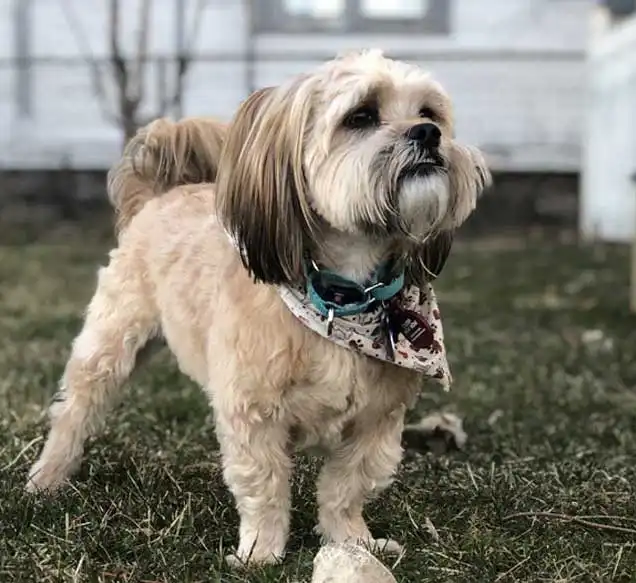
The Silky Tzu is a designer dog breed that emerges from the combination of a purebred Silky Terrier and a purebred Shih Tzu. These small, delightful dogs are celebrated for their loving disposition, making them excellent companions for families, especially those with older children. They are lively and playful, relishing moments of affection, and while they do need daily exercise, it doesn't have to be overly strenuous. Silky Tzus may experience wheezing and snoring and are particularly sensitive to heat. Their coats can display a variety of colors, such as red, white, brown, black, cream, and tan. Generally, they possess a thick, silky, wavy double coat that is often hypoallergenic, which is beneficial for those with allergies. To keep their coat healthy and looking its best, regular brushing and trimming are essential.
Breed Origin
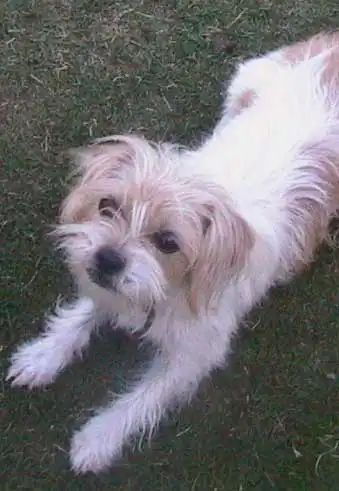
The Silky Tzu is a designer dog breed that emerges from the crossbreeding of a Silky Terrier and a Shih Tzu. The Silky Terrier, celebrated for its beautiful, flowing coat, is skilled at hunting small vermin. This breed has its roots in the late 19th century, stemming from the interbreeding of Yorkshire Terriers, which were transported from England to Australia, and larger working Australian Terriers. During this period, some of these dogs were classified as Australian Terriers, while others were recognized as either Yorkies or Silkies. It is thought that their ancestry also includes the Dandie Dinmont Terrier, Skye Terrier, and Cairn Terrier. Two separate breed standards were established—one in Sydney in 1906 and another in Victoria in 1909—emphasizing variations in weight and ear shape. Ultimately, a unified breed standard was adopted in 1926. Six years later, the Kennel Control Council of Victoria implemented regulations to halt further crossbreeding among Yorkshire, Australian, and what were then known as Sydney Silky Terriers. In Australia, they continue to be referred to as the Australian Silky Terrier, while internationally, they are simply called the Silky Terrier. Conversely, the Shih Tzu, often referred to as the "little lion," does not serve as a hunter or protector, despite what its name might suggest. Instead, its main function has been as a devoted companion, a role it has embraced for centuries. This breed is among the oldest known and is also affectionately called the Chrysanthemum Dog. Some theories propose that it was developed by Tibetan monks and given as gifts to Chinese royalty, while others argue that it originated in China through the crossbreeding of the Lhasa Apso and the Pekingese. According to legend, the Dalai Lama presented a pair of Shih Tzus to Empress T'zu Hsi during her reign, and these dogs were said to have lived in their own palace. The breed was held in such high regard that the Chinese refused to sell, trade, or part with them for many years. The first Shih Tzus arrived in England in 1928 and subsequently made their way to the United States, where the American Kennel Club recognized the breed as part of the Toy Group in 1969.
Breed Appearance
The Silky Tzu is a designer dog breed created by crossing a purebred Silky Terrier with a purebred Shih Tzu. These small, toy-sized dogs generally weigh between 8 and 13 pounds and reach a height of up to 8 inches. Their coats are available in a range of colors, such as red, white, brown, black, cream, and tan. Most Silky Tzus have a luxurious double coat that is thick, silky, and wavy. They are characterized by their round faces, bright eyes, and black noses, with the eyes typically being dark brown, although some may be lighter in shade. Their short, petite muzzles and fluffy tails, which often curl over their backs, enhance their adorable appearance. The ears of the Silky Tzu typically hang down, contributing to their charming demeanor.

Care Routine
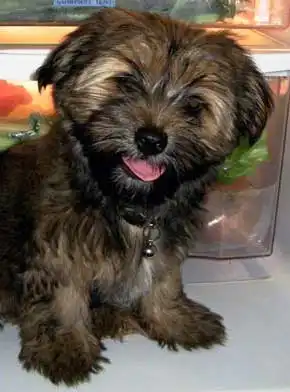
The Silky Tzu needs regular grooming to maintain its luxurious, wavy coat and prevent tangles. This breed is known for minimal shedding, and with both parent breeds being hypoallergenic, the Silky Tzu is a great option for those with allergies. Moreover, these dogs typically do not emit a strong odor, which reduces the need for frequent baths. In fact, over-bathing can cause dry skin, so it’s advisable to bathe them only when absolutely necessary. Establishing a solid care routine is crucial, including routine ear checks for dirt or signs of infection and trimming nails as needed. Additionally, daily brushing of their teeth is recommended to help avoid dental problems.
Behavior & Temperament
The Silky Tzu is an endearing and loving small breed, often noted for its occasional snorts and wheezes. These dogs adapt seamlessly to family life, making them excellent companions for those living in smaller spaces like apartments, though they tend to flourish best in homes with older children. Renowned for their playful demeanor, Silky Tzus delight in toys and enjoy the company of fellow dogs. To foster confidence in your Silky Tzu around new people and situations, it’s crucial to prioritize early socialization and training. While they do bark occasionally and will notify you of unfamiliar visitors, they are generally not regarded as guard dogs. Full of energy and eager to engage in family activities, Silky Tzus are particularly suitable for first-time dog owners who can invest time in their upbringing. They respond positively to training, especially when reinforced with praise and encouragement. Although housetraining may pose some challenges, a patient and consistent approach will ultimately yield positive results.


Play & Exercise
The Silky Tzu is an energetic and cheerful small breed that doesn't need extensive exercise. A short walk around the neighborhood or a trip to the dog park or beach will bring them joy. These dogs are playful and love interacting with their toys or a ball indoors. They adapt well to various living situations, whether in a roomy house with a large yard or a snug apartment, provided they get regular opportunities for exercise. However, they are sensitive to extreme weather conditions, so it's advisable to refrain from exercising them during the hottest parts of summer. In winter, they tend to prefer staying indoors more frequently.
Things to Know
Cups Per Day
1.0 Cups
Daily Activity
40 Minutes
Average Lifespan
14 Years
Origin
Unknown
Type
Crossbreeds
Size
Small
Origin Country
United States
Brush Frequency
Daily
Coat Texture
Wavy
Register
Your kids have been begging for a pet forever, and you've recently decided that it's time for your family to get a new addition -- a dog! While everyone is excited for the new arrival, you're wondering if you need to have a dog license. How much does it cost? Is it required? Where do you get one?
Member Clubs

PETINNATE
Other
Height & Weight
Weight
10 lbs (5 kg)Male: 11 lbs (5 kg) , Female: 10 lbs (5 kg)
Height
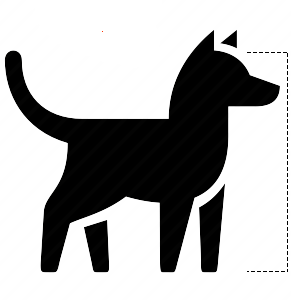
7 inches (18 sm)Male: 7 inches (18 sm) , Female: 6 inches (15 sm)
6 Months
7 lbs ( m 7 lbs, f 7 lbs )
4 inches ( m 4 inches, f 4 inches )
12 Months
7 lbs ( m 7 lbs, f 7 lbs )
5 inches ( m 5 inches, f 5 inches )
18 Months
9 lbs ( m 9 lbs, f 9 lbs )
6 inches ( m 6 inches, f 6 inches )
Eye Colors
Hazel

Brown
Nose Colors
Black
Coat Colors
Fawn

Cream
Brown

Black

White
Red