Small Swiss Hound
Smaller Swiss Hound, Schweizerischer Niederlaufhund, Small Bernese Hound, Berner Niederlaufhund, Small Jura Hound, Jura Niederlaufhund, Small Lucerne Hound, Luzerner Niederlaufhund, Small Schwyz Hound, Schwyzer Niederlaufhund, Smaller Bernese, Bernese Swi
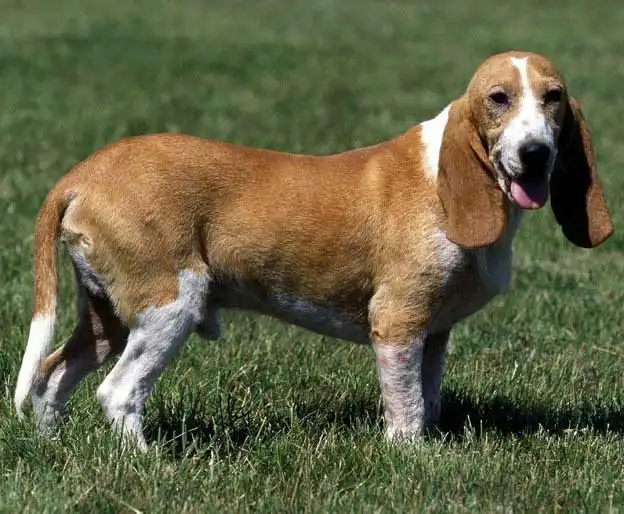
The Small Swiss Hound captures the essence of a larger breed within a smaller frame. They have a self-perception that exceeds their physical size, and their lively character more than makes up for their petite build. With regular exercise and dedicated attention, their high energy levels can be well-regulated. Although they make excellent family companions, their true enthusiasm shines when they are hunting across diverse landscapes, eagerly pursuing both small and large game. However, without adequate stimulation, the Small Swiss Hound may become problematic, displaying destructive tendencies at home. Ultimately, these dogs are sociable and clever, marked by a strong will that can occasionally come off as stubbornness.
Breed Origin
As the 20th century began, hunting practices in Switzerland underwent significant transformation. The emergence of private hunting grounds called for a shift, as the traditional Swiss Hound was often too fast and energetic to maneuver effectively in these more restricted environments. Consequently, hunters aimed to develop a new breed that could thrive in such confined spaces. Contrary to popular belief, the Small Swiss Hound is not simply a smaller version of the Swiss Hound. While there is some validity to this idea, the Small Swiss Hound is actually a unique breed that originated from the crossbreeding of the Swiss Hound and the Basset Hound. The goal was to create a dog that was not only smaller and closer to the ground but also retained the four rich color variations characteristic of the Swiss Hound. These dogs were designed to have an acute sense of smell for tracking and a pleasant bark to signal hunters during their activities. The Small Swiss Hound quickly became known as an outstanding hunting companion, adept at following scents over long distances and navigating difficult terrains. It soon became the preferred choice for hunters on private lands. In 2006, the United Kennel Club officially recognized the Small Swiss Hound, and in 2015, the Federal Cynologique Internationale (FCI) adopted the breed standard under the name Schweizer Niederlaufhund. While the Small Swiss Hound continues to be a popular hunting partner in Switzerland, it has not gained significant traction in the United States or Canada. Due to their limited numbers in the U.S., they are currently not eligible for registration with the American Kennel Club.
Breed Appearance
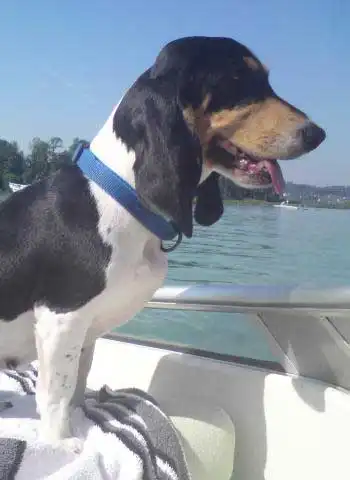
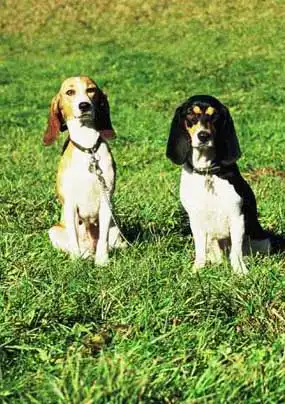
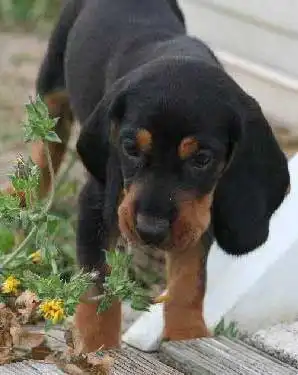
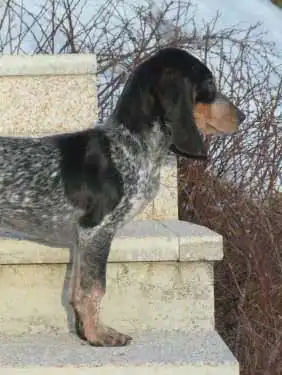
The Small Swiss Hound is represented by four distinct varieties, each differing only in color and bearing its own unique name. The Jura Niederlaufhund, commonly referred to as the Small Jura Hound, boasts a sleek black coat with tan markings above the eyes. This variety features a single coat and typically shows only a slight amount of white on its body. In contrast, the Berner Niederlaufhund, or Small Bernese Hound, is available in two coat types: smooth and rough. The rough coat is defined by a coarse, single layer and includes a small beard. Generally, the Small Bernese Hound is black and white, with tan markings above the eyes, which often leads to its classification as tri-colored. The Schwyzer Niederlaufhund, known as the Small Schwyz Hound, presents a smooth, single coat that is predominantly white, accented with yellow-red patches, while orange-red patches are also acceptable. Finally, the Luzerner Niederlaufhund, or Small Lucerne Hound, features a smooth, single coat that is primarily white but speckled with black or grey, giving it a bluish hue. This variety also displays black patches with tan markings above the eyes.
Care Routine
The Small Swiss Hound, characterized by its single coat, is quite easy to groom. Even the rough-coated Small Bernese Hound requires minimal upkeep. To keep the Small Swiss Hound's coat looking sleek and shiny, it's recommended to brush it weekly with a natural bristle or a soft slicker brush. Following the brushing, a soft cloth can be used to enhance the coat's shine. Generally, these dogs do not emit a strong odor and do not need frequent baths; a bath every few months is typically adequate, unless they happen to get into something dirty. When bathing, it's essential to use a shampoo that is appropriate for their coat type. Moreover, because of their drooping ears, Small Swiss Hounds are more prone to ear infections. Therefore, it's crucial to inspect their ears weekly for any signs of odor or irritation, cleaning them as needed and ensuring they remain dry and free of debris.
Behavior & Temperament
The Small Swiss Hound is deeply loyal to its family and is recognized for its loving disposition. Once a bond is formed, these dogs can be difficult to re-home, so those considering adopting an older Small Swiss Hound should be prepared to dedicate ample time to fostering trust and developing a new relationship. Although they are generally sociable with newcomers, they tend to be cautious and do not easily extend their trust or affection. Small Swiss Hounds usually coexist well with other dogs and young children, but their strong prey drive means it's unwise to leave them unsupervised with small animals such as ferrets, rats, or rabbits. Successful training demands a confident handler, as these dogs often do not recognize their small size and can become overly energetic and challenging to manage without appropriate direction. In Switzerland, they continue to serve primarily as hunting dogs and flourish in spacious environments where they can run and play, rather than in confined apartment spaces.

Play & Exercise
Scenthounds are characterized by their relaxed walking style, taking the time to thoroughly investigate every scent they come across. This behavior is also typical of Small Swiss Hounds, so be prepared for longer walks with them compared to other breeds that aren’t scent-oriented. It’s crucial to provide them with daily opportunities for running and play; without this, you might find yourself with a disobedient pet. Despite their small stature, Small Swiss Hounds actually need more exercise than many other small breeds. If you can’t spend much time exercising them, make sure they have an abundance of toys to keep them engaged. Interactive toys are especially useful for combating boredom and ensuring they remain mentally active.
Things to Know
Cups Per Day
1.5 Cups
Daily Activity
45 Minutes
Average Lifespan
13 Years
Origin
20th Century
Type
Pure Breeds
Size
Medium
Origin Country
Switzerland
Brush Frequency
Weekly
Coat Texture
Straight
Register
Your kids have been begging for a pet forever, and you've recently decided that it's time for your family to get a new addition -- a dog! While everyone is excited for the new arrival, you're wondering if you need to have a dog license. How much does it cost? Is it required? Where do you get one?
Member Clubs

PETINNATE
Scenthound

UKC
Scenthound
Height & Weight
Weight
26 lbs (12 kg)Male: 26 lbs (12 kg) , Female: 26 lbs (12 kg)
Height
15 inches (38 sm)Male: 15 inches (38 sm) , Female: 15 inches (38 sm)
6 Months
12 lbs ( m 12 lbs, f 12 lbs )
11 inches ( m 11 inches, f 11 inches )
12 Months
20 lbs ( m 20 lbs, f 20 lbs )
14 inches ( m 14 inches, f 14 inches )
18 Months
25 lbs ( m 25 lbs, f 25 lbs )
15 inches ( m 15 inches, f 15 inches )
Eye Colors
Brown
Nose Colors
Black
Coat Colors
Pied
White
Black