South Russian Shepherd Dog
South Russian Sheepdog, Ukrainian Ovcharka, Ioujnorousskaïa Ovtcharka, South Ukrainian Ovcharka, South Russian Shepherd Dog
The South Russian Ovcharka is renowned for its steadfast loyalty as a protector, which is arguably its most prominent characteristic. Specifically bred to be guardians, these dogs are committed to defending their families, homes, and belongings, approaching this responsibility with enthusiasm and readily adopting a formidable demeanor when they sense a serious threat. Their acute awareness of their environment enables them to serve as watchful sentinels, even when their protective instincts are not actively engaged. Inherently intelligent, South Russian Ovcharkas leverage their intellect in two primary ways: they quickly understand training requirements and objectives, and they are capable of making independent decisions. Training these dogs is generally straightforward, as they tend to learn rapidly. However, they thrive under a firm and consistent training regimen; even after mastering commands, they often prefer to act on their own initiative unless instructed otherwise. Owners who dedicate time and effort to training will cultivate a stronger bond with their dogs, although these animals are also likely to form attachments to other family members and will defend them with equal intensity. While South Russian Ovcharkas show a moderate degree of affection and playfulness, they usually mirror the attention they receive. Early and comprehensive socialization is essential for these dogs to interact harmoniously with other dogs and people outside their immediate family, though they typically display patience with children. Given their high exercise requirements and the need for a strong, guiding presence, they are best suited for experienced dog owners who can provide ample space for them to roam and patrol.
Breed Origin
The South Russian Ovcharka, much like several ancient dog breeds, has an inadequately documented history. It is generally believed that these dogs are descendants of wolves and local bearded breeds from Russia, initially bred for herding and protecting livestock. However, historical evidence indicates that the breed began to take on a more defined identity around 1790, when various types started to establish their own distinct groups. During this time, it is thought that Austrian shepherds crossed their dogs with Tatra shepherds and sighthounds, leading to the development of large, robust, and resilient dogs known for their impressive stamina. Given their physical traits and behavior, these breeds likely played a role in shaping the Ovcharka's ancestry. Although they enjoy a certain level of popularity in their homeland, where they serve as both guardians and companions, they are still relatively rare outside this region.
Breed Appearance
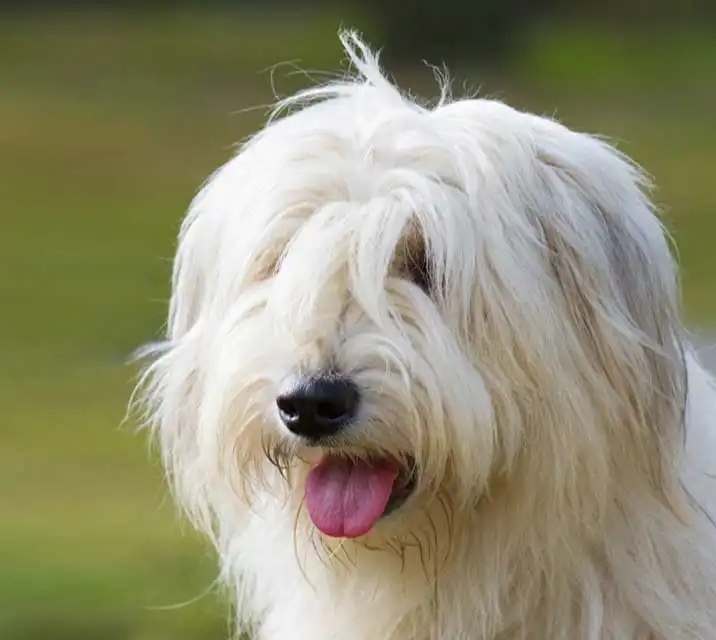
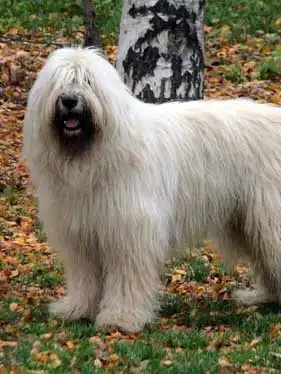
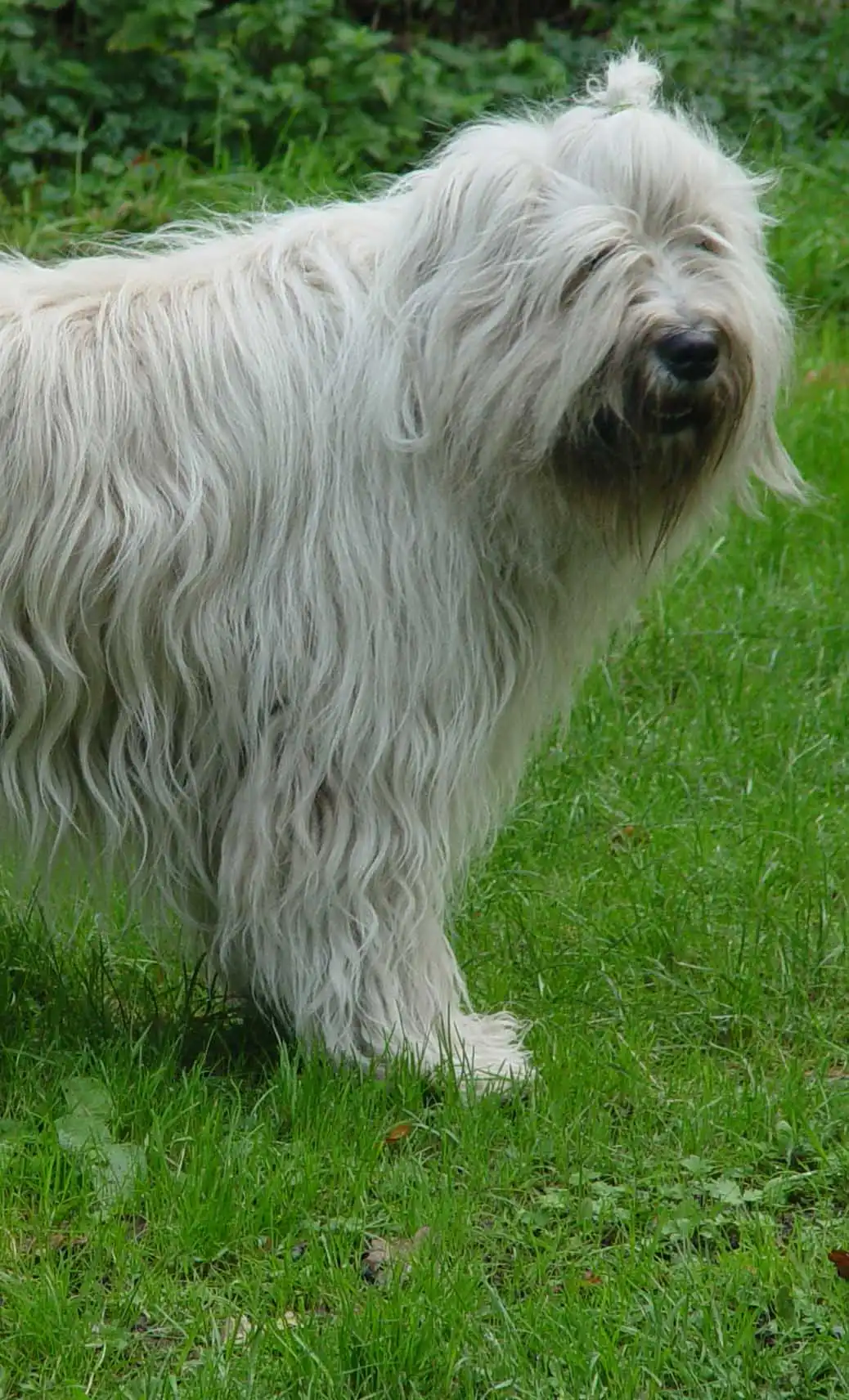
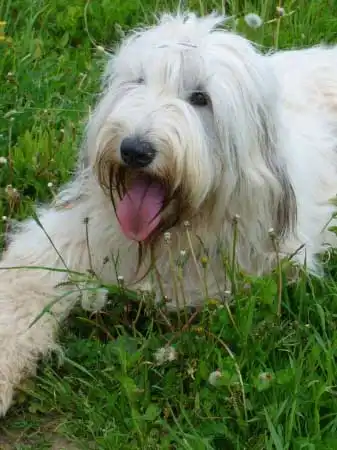
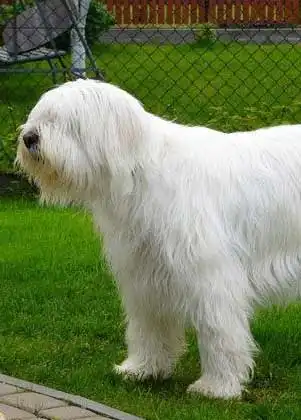
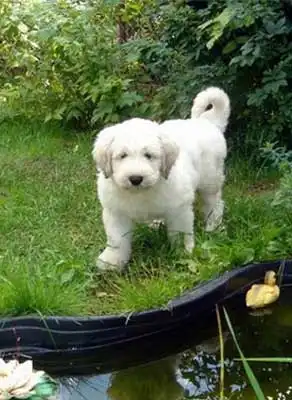
The South Russian Ovcharka is a large breed, generally standing at a minimum of two feet tall and weighing over 100 pounds. These dogs are distinguished by their long, shaggy outer coats, which can measure between 4 to 6 inches and come in a variety of colors such as white, fawn, and gray, all supported by a dense undercoat. Underneath their rugged fur lies a strong, muscular physique built on a sturdy skeletal framework. Their heads are elongated and wolf-like, with the length of the skull roughly equal to that of their black-nosed muzzle. They feature dark, oval eyes and relatively small, triangular ears that hang down. Their chests are broad and deep, complemented by straight, well-muscled backs. The forelegs are long and straight, while the hind legs are well-angled with powerful thigh muscles. Their tails are long and fluffy, often held with a slight upward curve.
Care Routine
The South Russian Ovcharka breed is known for needing a moderate to high level of care, largely due to their exceptionally long fur. They experience moderate shedding during seasonal changes, but this increases significantly in the spring, making daily brushing and combing essential to keep their coats clean, untangled, and free of mats. While these dogs are adept at grooming themselves, they tend to bring dirt into the home, leaving some mess behind. Regular brushing can help reduce this problem. Many owners choose to use professional grooming services to ensure their pets receive thorough brushing, trimming, and cleaning; however, dedicated owners can effectively manage this at home with consistent effort. Additionally, their folded ears require special attention, as they can trap moisture and wax, which may lead to ear infections, although they are generally less prone to this issue than breeds with larger ears. Like all dogs, they also need regular nail trimming and should have their teeth brushed at least once a week to maintain good dental health.
Behavior & Temperament
South Russian Ovcharkas are known for their relaxed demeanor and deep affection for their families, while still embodying their traditional role as vigilant guardians. Training this breed is relatively straightforward due to their intelligence; however, their strong-willed nature means they may attempt to assert their own preferences even after training is complete. As a result, a consistent and firm training approach is essential to encourage desirable behaviors, as they might try to regain dominance in the household without regular guidance. These dogs enjoy spending time with their families but are also comfortable being alone, as long as they receive sufficient exercise. When left unattended, they often take it upon themselves to patrol their home or yard, ensuring that any potential threats are addressed. Their independence, honed through years of safeguarding flocks and families, can lead to a certain aloofness, especially around unfamiliar people and other dogs. To promote positive interactions, early and comprehensive socialization is crucial. While they generally have a moderate tolerance for children, socialization remains important to prevent any potential issues. Furthermore, their high energy levels make them best suited for active families, particularly those with spacious living environments, large yards, or access to nearby dog parks, underscoring the need for early socialization.
Play & Exercise
This breed is known for its high energy, which stems from its robust muscles and inherent stamina. When left alone in a yard, they may engage in some self-directed activity, primarily by patrolling their environment, though this is usually limited. If they have too much pent-up energy, they can become anxious or easily startled. To promote their well-being and encourage good behavior, they require a significant amount of physical exercise—ideally between 16 to 18 miles of running or walking each week, equating to roughly 70 minutes of activity each day. This breed is not well-suited for apartment living; it flourishes in a spacious home with plenty of indoor space and a secure outdoor area.
Things to Know
Cups Per Day
4.5 Cups
Daily Activity
70 Minutes
Average Lifespan
10 Years
Origin
Ancient Times
Type
Pure Breeds
Size
Giant
Origin Country
Ukraine, Russia
Brush Frequency
Daily
Coat Texture
Wavy
Register
Your kids have been begging for a pet forever, and you've recently decided that it's time for your family to get a new addition -- a dog! While everyone is excited for the new arrival, you're wondering if you need to have a dog license. How much does it cost? Is it required? Where do you get one?
Member Clubs

PETINNATE
Herding Dog

UKC
Herding Dog
Height & Weight
Weight
105 lbs (48 kg)Male: 105 lbs (48 kg) , Female: 105 lbs (48 kg)
Height
26 inches (66 sm)Male: 26 inches (66 sm) , Female: 25 inches (64 sm)
6 Months
70 lbs ( m 70 lbs, f 70 lbs )
18 inches ( m 18 inches, f 18 inches )
12 Months
88 lbs ( m 88 lbs, f 88 lbs )
22 inches ( m 22 inches, f 22 inches )
18 Months
105 lbs ( m 105 lbs, f 105 lbs )
25 inches ( m 25 inches, f 25 inches )
Eye Colors
Brown

Nose Colors
Black
Coat Colors
Fawn
Gray
White