Spanish Greyhound
Galgo, Galgo Espanol
The Spanish Greyhound is an exceptionally athletic and dignified breed, known for its somewhat reserved disposition. These dogs may display shyness in the presence of strangers, often preferring to maintain a safe distance from those they do not know. Nevertheless, they are incredibly loving towards their families and can also develop strong connections with familiar individuals outside their immediate home. Renowned for their gentle nature, Spanish Greyhounds are especially good with children, including younger ones. To ensure they adapt to new situations with ease, early socialization is crucial. Training is generally uncomplicated, especially when positive reinforcement methods are used, as they do not respond well to harsh commands.
Breed Origin
The Spanish Greyhound, commonly referred to as the Galgo or Galgo Español, boasts a rich yet somewhat enigmatic history concerning its origins. A widely accepted theory posits that this breed originated from the crossbreeding of the Irish Greyhound with the Sloughi or Scottish Deerhound. Despite its ancient roots, the breed's lineage was not formally recorded until the early 1900s, complicating efforts to trace its ancestry with precision. The term "Galgos" is believed to have its origins in the Gauls, a Celtic tribe that settled in the Iberian Peninsula during the 6th century. Historians suggest that the Celts acquired various sighthounds through trade with Phoenician merchants, and later, in the 8th century, the Moors invaded Spain, introducing African sighthounds into the genetic pool. It is thought that the Moors played a significant role in the breeding of the Spanish Greyhound with these new African breeds. Nonetheless, most modern Spanish Greyhounds can be traced back to Irish Greyhounds, which were valued for their speed and endurance. Originally, the Spanish Greyhound was a mark of status, owned solely by the aristocracy. However, as individuals from lower social classes began to steal and breed these dogs indiscriminately, the breed's reputation declined. As a result, they became associated with the lower classes, despite their elegant appearance, and were often viewed as inferior. This rampant breeding led to significant alterations in the breed's overall appearance, resulting in a broader spectrum of acceptable colors and coat types. In the early 20th century, the Spanish Greyhound experienced yet another evolution as it was crossed with the English Greyhound to create an even faster breed. Both the English and Spanish Greyhounds are recognized among the fastest dog breeds in the world. This hybrid was initially known as the Anglo-Spanish Greyhound, although the "Anglo" label was eventually dropped. Today, the Spanish Greyhound is rarely seen outside of Spain and remains unrecognized by numerous dog clubs.
Breed Appearance
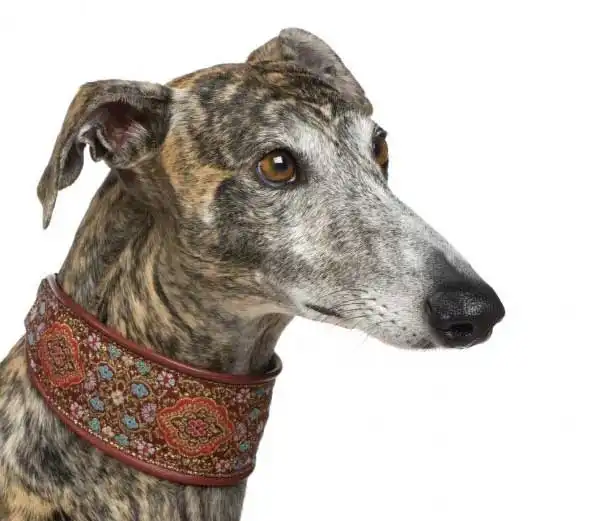
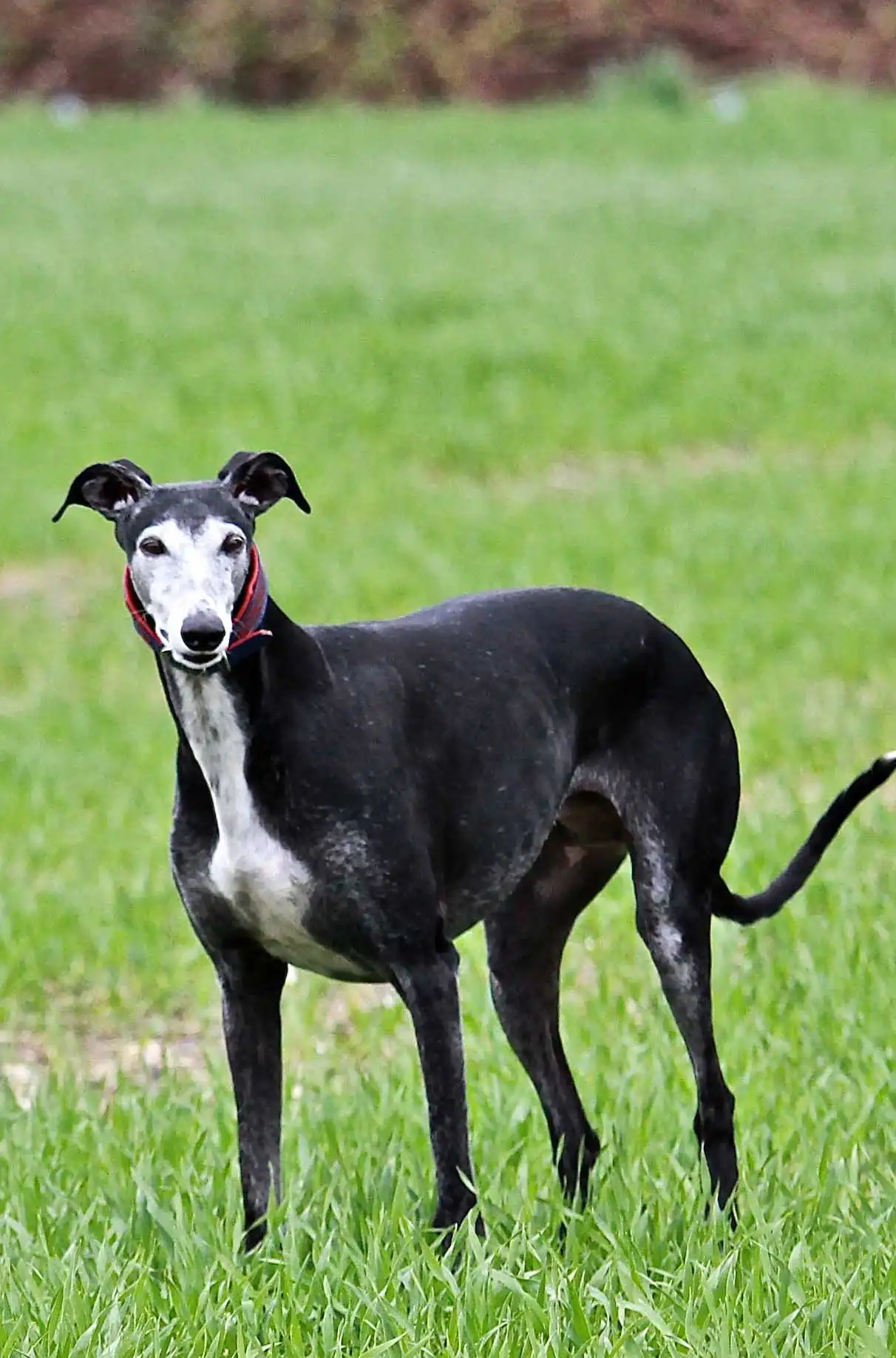
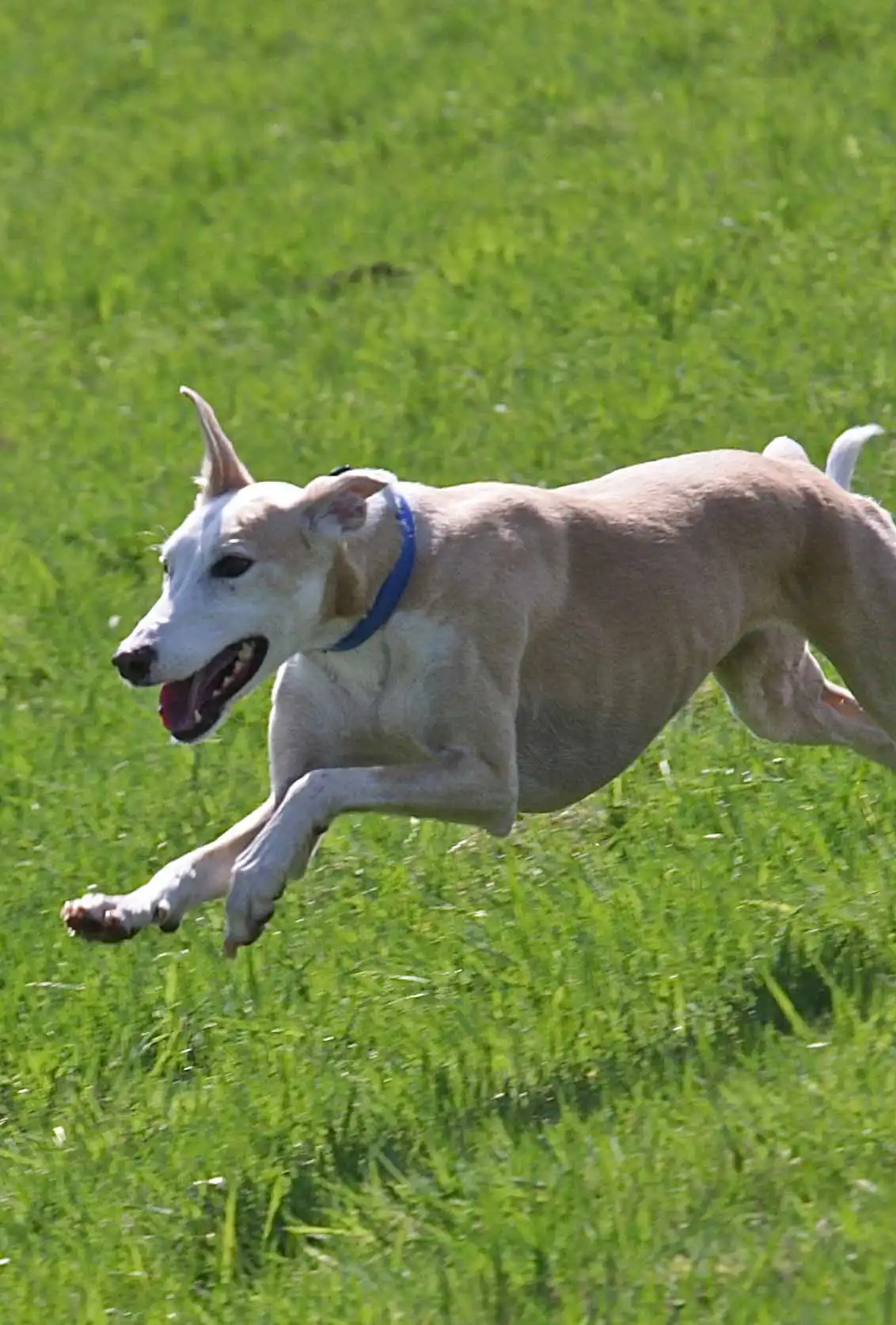
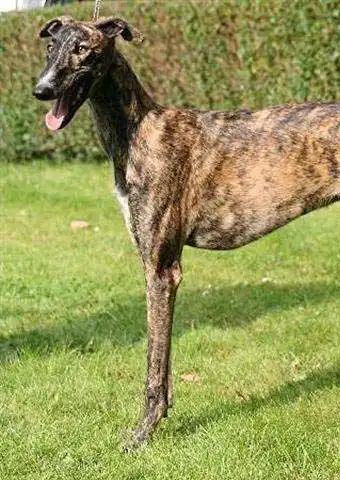
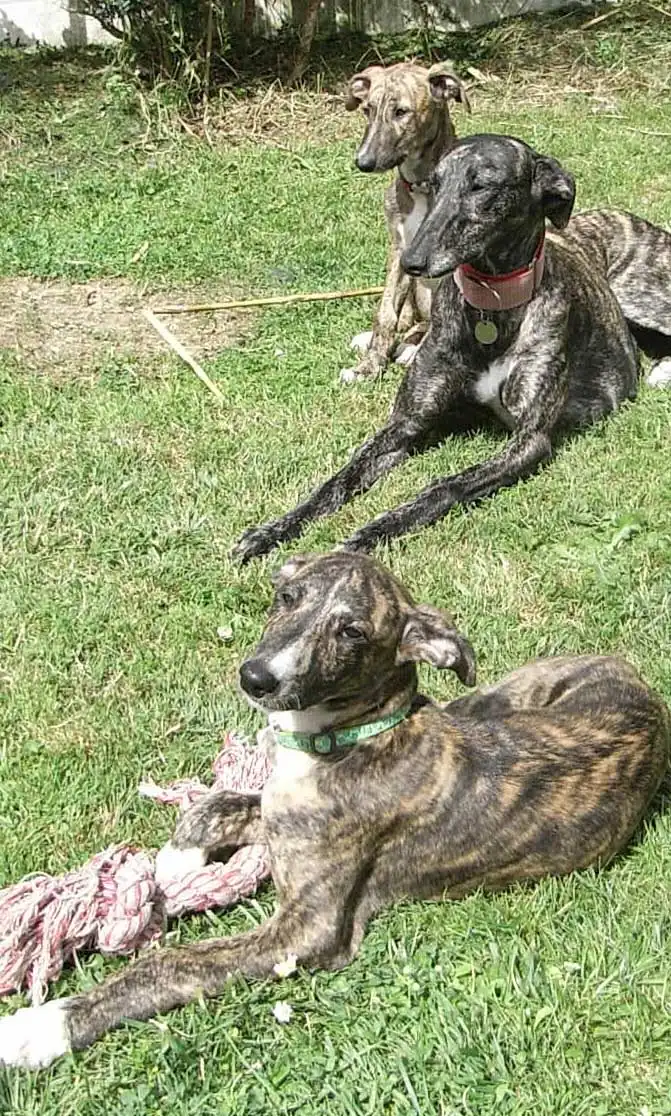
The Spanish Greyhound is a medium-sized dog breed, with males typically standing between 24 and 27 inches tall at the shoulder, while females measure from 23 to 27 inches. True to the Greyhound lineage, they have a slender and athletic build, characterized by an elongated head and long, thin legs that enhance their elegant look. Their noses are black, complemented by similar pigmentation around their eyes and lips. The eyes are almond-shaped, slightly slanted, and generally small, often dark, although lighter amber shades can be found in dogs with paler coats. Their ears are triangular, broader at the base, and rounded at the tips. The Spanish Greyhound features a subtly arched back, with the hindquarters sitting slightly higher than the front. This breed comes in various coat types, ranging from smooth and flat to a coarser texture. The rough-coated variety is distinguished by longer hair on the face, creating a notable moustache, beard, and eyebrows. Common coat colors include toasted cinnamon, yellow, white, red, dark brindle, and pied, with all colors being accepted according to breed standards.
Care Routine
Both varieties of Spanish Greyhounds need to be brushed at least weekly. The smooth-coated type can be groomed using a rubber curry brush, a soft slicker brush, or a hound mitt. On the other hand, the rough-coated or wirehaired variety also benefits from these grooming tools, but their facial hair requires a metal comb for proper care. It's essential to comb their beard and mustache more often to avoid the buildup of food particles, which can cause unpleasant odors. While these dogs don’t typically have a strong doggy scent, they should be bathed every three to four months. Regular bathing should be limited, as it may lead to skin irritation and dandruff. Spanish Greyhounds are not hypoallergenic and experience mild shedding throughout the year. Additionally, their nails should be trimmed every few weeks. However, as sighthounds, they can be sensitive about having their feet handled. If they haven't been trained to accept foot handling from an early age, nail trimming can become a stressful ordeal for them.
Behavior & Temperament
The Spanish Greyhound is known for its serene and somewhat introverted nature. While they show affection to their families, they often exhibit shyness in the presence of strangers. Nevertheless, with regular interaction, they can form loving connections with non-family members. To mitigate excessive shyness, it is vital to socialize them early on. These dogs may also suffer from separation anxiety if they become overly dependent on their owners, making it important to foster their independence by allowing them some alone time. Although they can be energetic, sufficient exercise is key to helping them stay calm and composed indoors. As a sighthound, the Spanish Greyhound generally does not get along well with small pets. They might learn to live harmoniously with cats and small dogs, but caution is warranted around ferrets, rabbits, guinea pigs, and other non-canine animals. A secure, fenced yard is essential to ensure their safety when they are not under direct supervision.
Play & Exercise
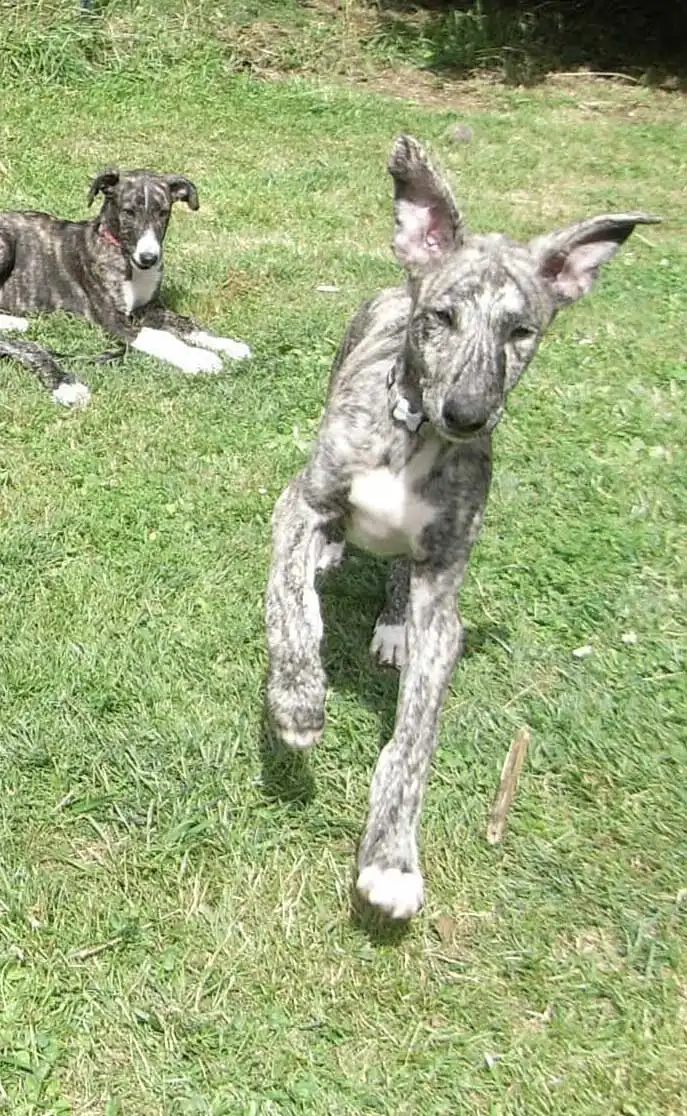
The Spanish Greyhound is a lively breed that needs daily physical activity to thrive. After they’ve expended their energy, they often become quite calm and enjoy lounging at your feet in the evenings. Long walks are not just crucial for their exercise; they also enhance the connection between you and your pet. Frequent trips to the dog park, where they can run freely and interact with other dogs, are ideal for helping them release pent-up energy. Moreover, playing fetch in the backyard is a wonderful way for them to exercise and wear themselves out, contributing to a serene environment at home.
Things to Know
Cups Per Day
2.8 Cups
Daily Activity
60 Minutes
Average Lifespan
14 Years
Origin
Ancient
Type
Pure Breeds
Size
Medium
Origin Country
Spain
Brush Frequency
Weekly
Coat Texture
Wiry
Register
Your kids have been begging for a pet forever, and you've recently decided that it's time for your family to get a new addition -- a dog! While everyone is excited for the new arrival, you're wondering if you need to have a dog license. How much does it cost? Is it required? Where do you get one?
Member Clubs

PETINNATE
Sighthound and Pariah Dog

UKC
Sighthound and Pariah Dog
Height & Weight
Weight
55 lbs (25 kg)Male: 58 lbs (26 kg) , Female: 53 lbs (24 kg)
Height
25 inches (64 sm)Male: 26 inches (66 sm) , Female: 25 inches (64 sm)
6 Months
27 lbs ( m 27 lbs, f 27 lbs )
19 inches ( m 19 inches, f 19 inches )
12 Months
40 lbs ( m 40 lbs, f 40 lbs )
21 inches ( m 21 inches, f 21 inches )
18 Months
52 lbs ( m 52 lbs, f 52 lbs )
25 inches ( m 25 inches, f 25 inches )
Eye Colors
Brown
Amber
Nose Colors
Black
Coat Colors
Pied
Red
Brindle