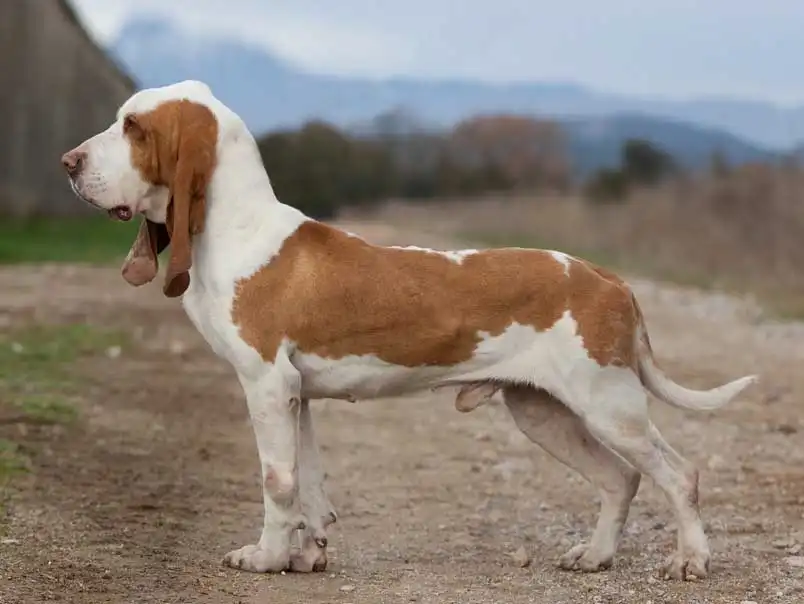
Spanish Hound
Sabueso Espanol, Great Spanish Hound, Spanish Lebrero Hound
The Spanish Hound is a breed steeped in history, originally developed for hunting a variety of game such as foxes, hares, wild boars, and even bears. Renowned for their exceptional stamina, these dogs can traverse long distances once they pick up the scent of their quarry. As a breed full of energy, they flourish in expansive spaces; without enough room to roam, they may exhibit destructive tendencies. This breed is ill-suited for apartment living and should be kept in a securely fenced area when not actively hunting. Although their main role was as working dogs rather than companions, with enough patience and consistent exercise, they can adjust to family life and become devoted pets.
Breed Origin
The Spanish Hound is first mentioned in historical records from the 1300s, specifically in the *Libro de la Monteria del Rey D Alfonso XI*, where the King of Castile describes hounds that exhibit traits similar to those of the Spanish Hound, along with references to Bloodhounds. Several Spanish hunting texts, such as the 15th-century *Treaty of Monteria*, the 16th-century *Discourse of Monteria*, and the 17th-century *Origin and Dignity of Hunting*, further detail the breed, indicating a shared ancestry. During these times, hounds bred in Spain were primarily used for hunting wild boar and bears, renowned for their exceptional tracking skills that allowed them to follow the scent of injured animals over long distances. However, the introduction of firearms in big game hunting led to a decline in large game populations, which in turn reduced the demand for the Spanish Hound. As a result, hunters in northern Spain shifted their focus to smaller game, such as foxes and hares. Despite this change, the Spanish Hound remained valuable for hunting roe deer and wild boar, which were still plentiful in the region. Artistic depictions of the breed showcase two main varieties: the larger Great Spanish Hound and the smaller, more agile Spanish Lebrero Hound. Fortunately, the big game population in Spain has rebounded, leading to a revival of the Spanish Hound's use in the early 1980s. In 1982, a breed standard was established, prompting breeders to adhere to these guidelines. Although the Spanish Hound is indigenous to northern Spain and likely has origins dating back to the late Middle Ages, its history remains somewhat ambiguous. It wasn't until the 20th century that the breed gained formal recognition and standardization, with the United Kennel Club officially acknowledging the Spanish Hound in 1996.
Breed Appearance
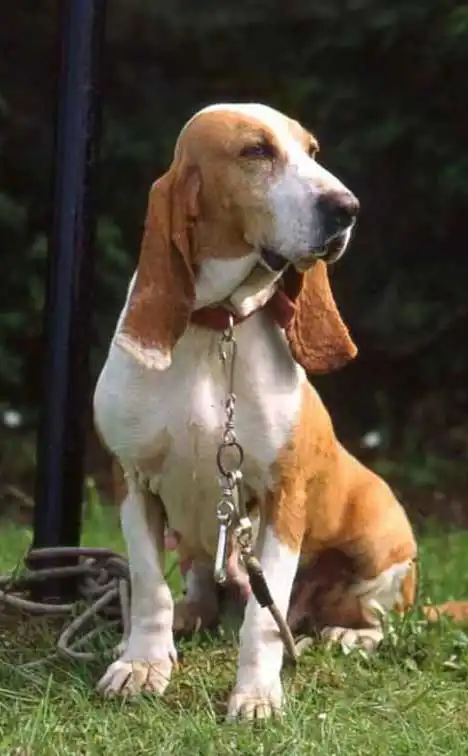
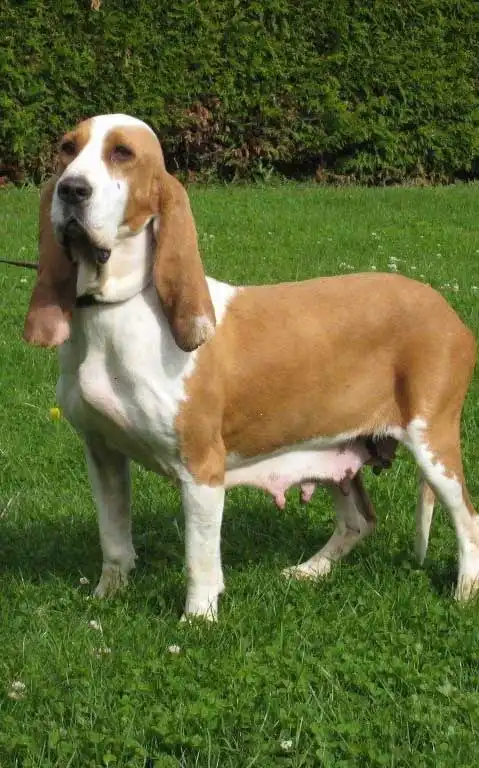
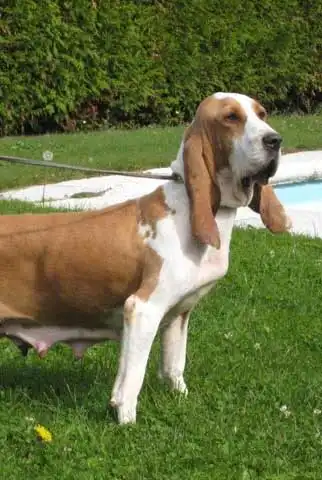
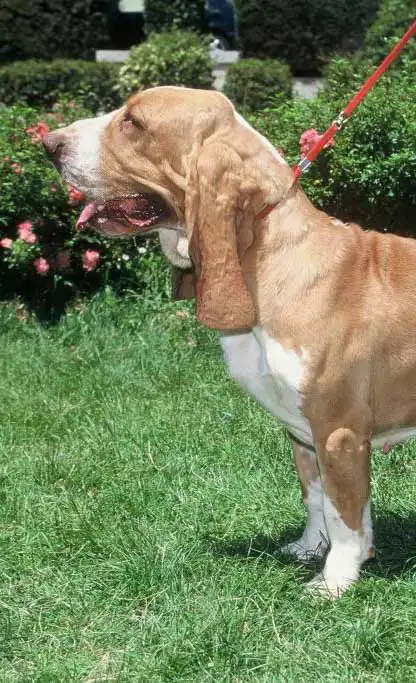
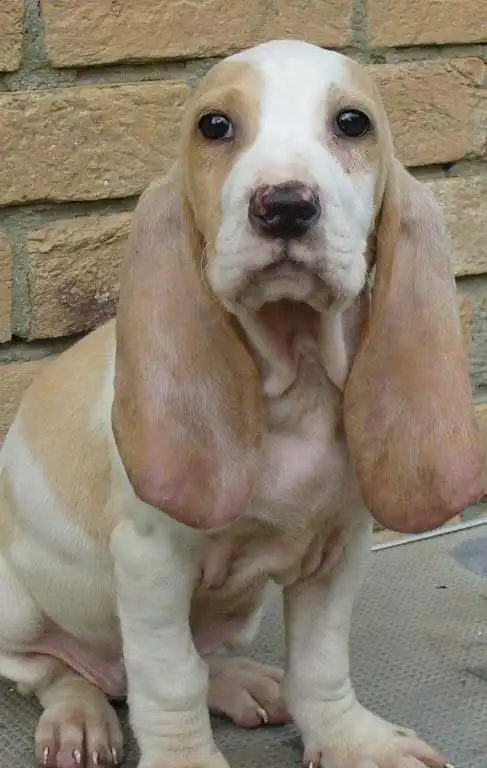
The Spanish Hound is a medium to large breed known for its distinctive long ears, which flare out to rounded tips and extend beyond the nose when pulled forward. These ears hang loosely and can twist into a corkscrew shape. This breed features strong, muscular legs and a rounded ribcage, allowing them to cover long distances without tiring. As a variant of the bloodhound, they have prominent noses that can be either black or flesh-toned. Their medium-sized, almond-shaped eyes are dark brown, giving them a slightly melancholic yet dignified look. Depending on the dog's coat color, their nails may also be flesh-colored instead of black. Typically, the Spanish Hound is mostly white with orange markings or patches, with the orange varying from a light lemon yellow to a rich russet red. While dogs that are primarily orange with white markings are acceptable, they are generally not preferred in competitive shows.
Care Routine
The Spanish Hound has a short, smooth coat that does shed, with more noticeable shedding occurring in the spring and fall. To keep their coat healthy, it's recommended to brush them at least once a week. This routine not only helps maintain a sleek appearance but also reduces the amount of loose hair in your home. For grooming, a soft slicker brush, a natural bristle brush, or a hound mitt works best. Additionally, it's important to check the hair between their paw pads and trim any excessively long strands with scissors to avoid debris buildup. Regular ear inspections are also crucial, as Spanish Hounds are prone to ear infections; moisture or dirt can lead to serious problems. Use a cotton ball and hydrogen peroxide to clean their ears, which typically do not have a strong odor. Generally, these dogs only need a bath a few times a year, unless they get particularly dirty during a hunt.
Behavior & Temperament
The Spanish Hound stands out as a classic hunting breed, celebrated for its remarkable olfactory abilities that allow it to track wounded game across various terrains over long distances. This breed is known for its distinctive vocalizations, which can carry far during hunts, and they are quite vocal, particularly when left alone for long stretches. If they lack sufficient space to run and play, they may develop destructive habits. As skilled hunters of larger prey, Spanish Hounds demonstrate a tenacious and unwavering work ethic. They also possess strong territorial instincts, making them effective as watchdogs; their bark alone can often scare off potential intruders. Generally, this breed is more independent and flourishes under the leadership of a confident owner. Historically, Spanish Hounds have been bred for their working capabilities rather than for companionship, so adapting them to a solely companion role will necessitate considerable training and dedication.
Play & Exercise
The Spanish Hound is a breed specifically bred for work, distinguished by its strong instinct to chase after prey. To thrive and remain content, these dogs require plenty of daily exercise and consistent human interaction. A large, securely fenced yard is crucial for their safety when you are not present. When taking them for walks, it’s vital to keep them on a leash, as they may suddenly take off in pursuit of an intriguing scent. To combat boredom and avoid destructive behaviors when left alone, providing interactive toys can be very helpful. This breed is generally independent and tends to prefer the company of one or two other dogs rather than larger groups, which makes dog parks less ideal for their socialization needs.
Things to Know
Cups Per Day
2.6 Cups
Daily Activity
60 Minutes
Average Lifespan
12 Years
Origin
Middle Ages
Type
Pure Breeds
Size
Medium
Origin Country
Spain
Brush Frequency
Weekly
Coat Texture
Straight
Register
Your kids have been begging for a pet forever, and you've recently decided that it's time for your family to get a new addition -- a dog! While everyone is excited for the new arrival, you're wondering if you need to have a dog license. How much does it cost? Is it required? Where do you get one?
Member Clubs

PETINNATE
Scenthound

UKC
Scenthound
Height & Weight
Weight
58 lbs (26 kg)Male: 60 lbs (27 kg) , Female: 55 lbs (25 kg)
Height
21 inches (53 sm)Male: 21 inches (53 sm) , Female: 20 inches (51 sm)
6 Months
26 lbs ( m 26 lbs, f 26 lbs )
15 inches ( m 15 inches, f 15 inches )
12 Months
44 lbs ( m 44 lbs, f 44 lbs )
18 inches ( m 18 inches, f 18 inches )
18 Months
55 lbs ( m 55 lbs, f 55 lbs )
20 inches ( m 20 inches, f 20 inches )
Eye Colors
Brown

Nose Colors
Black
Brown
Coat Colors
Pied
Red
White