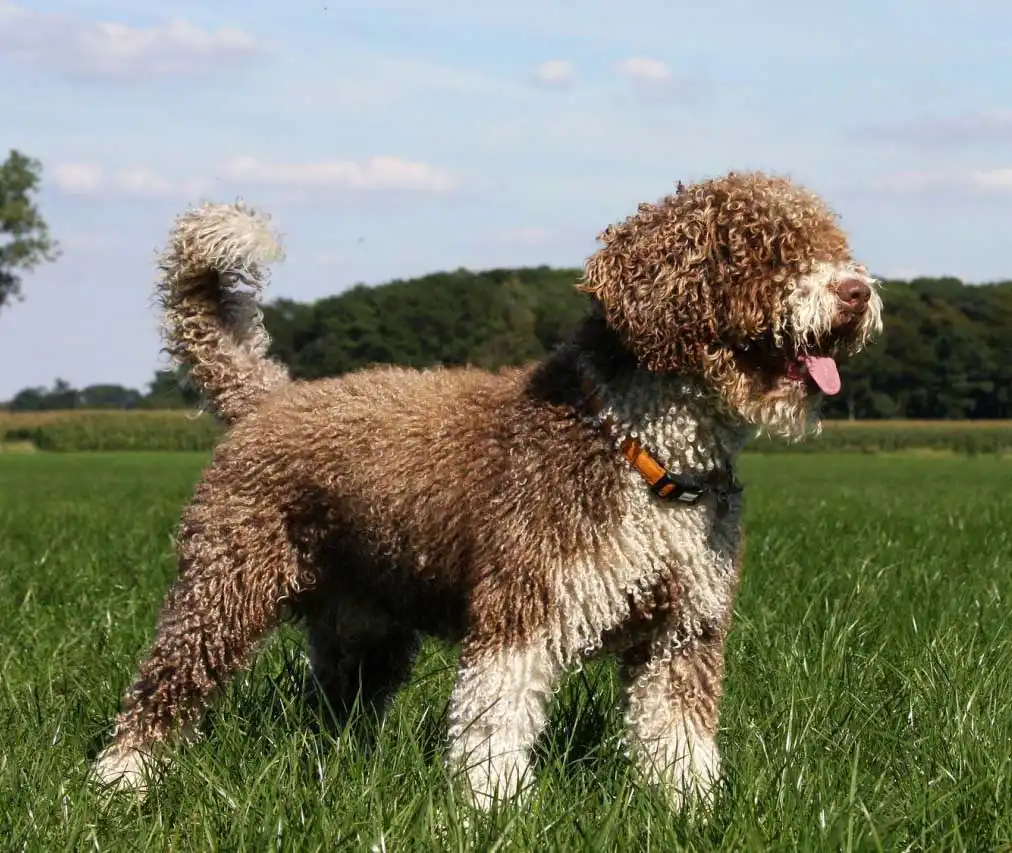
Spanish Water Dog
Perro de Agua Espanol; Turco Andaluz; Turkish Dog; Laneto; Perro de Lanas; Perro Rizado; Churro; Barbeta
The Spanish Water Dog's origins are a subject of significant debate among specialists, making it crucial to differentiate this breed from the Portuguese Water Dog. With a history that spans over a thousand years in Spain, its ancient roots fuel ongoing discussions about its background. Many authorities believe that the Spanish Water Dog is a descendant of the Turkish Dog, having developed largely in the Andalusian region, where it traditionally worked as a herder for various livestock, including cattle, pigs, goats, and sheep. Renowned for its lively and spirited nature, this breed is exceptionally dedicated to its tasks. Despite its long history, it wasn't until 2008 that the American Kennel Club formally acknowledged the breed in a miscellaneous category.
Breed Origin
The precise origins of the Spanish Water Dog remain somewhat ambiguous, yet many aficionados trace its lineage back to ancient times. Historical documents from the 10th century reference dogs in the Iberian Peninsula known as Perro Turco, described as woolly-coated water dogs believed to have Asian ancestry, likely arriving from regions such as Turkey and Hungary. Alternatively, some theories propose that the breed's ancestors were brought to Spain from Northern Africa by the Moors during the 8th century. Regardless of its true origins, the Spanish Water Dog is acknowledged as the oldest of the water dog breeds, having evolved in relative obscurity in Andalusia for over a millennium. The breed's name serves more as a nod to its historical roots than as a modern classification. While the Spanish Water Dog is particularly adept at aquatic tasks, its primary role has traditionally been herding. This versatile breed also excels in water work, search and rescue missions, and hunting, alongside its herding duties. Before 1975, the Spanish Water Dog lived a largely isolated existence in Andalusia. However, passionate enthusiasts aimed to elevate the breed's status as a national treasure, bringing it into the public eye and introducing it to a wider audience as a rare breed. In 1985, just ten years later, the Real Sociedad Central de Fomento de Razas Caninas en España officially recognized the Spanish Water Dog. The breed was presented to the American Kennel Club as a rare breed in 2000 and was included in the AKC Foundation Stock Service in 2005. By 2008, it was accepted into the miscellaneous breed category, and in 2015, it was officially classified within the herding group, where it continues to flourish today.
Breed Appearance
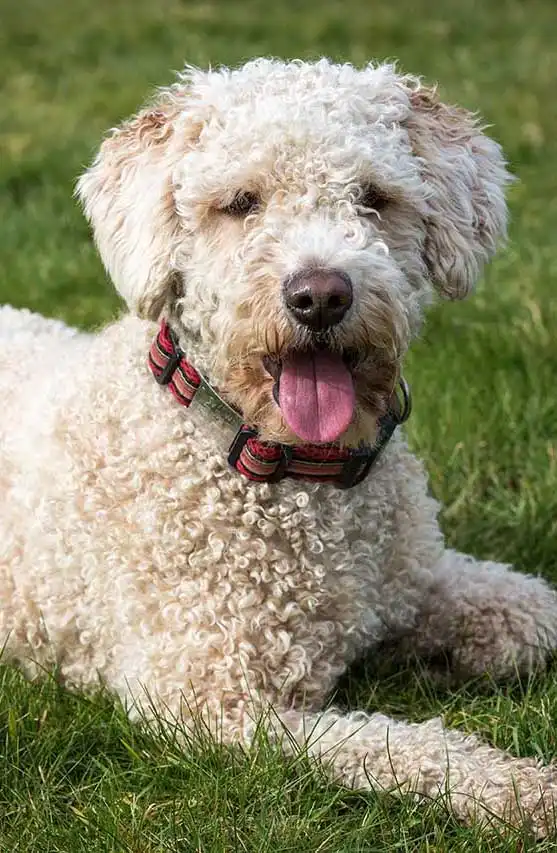
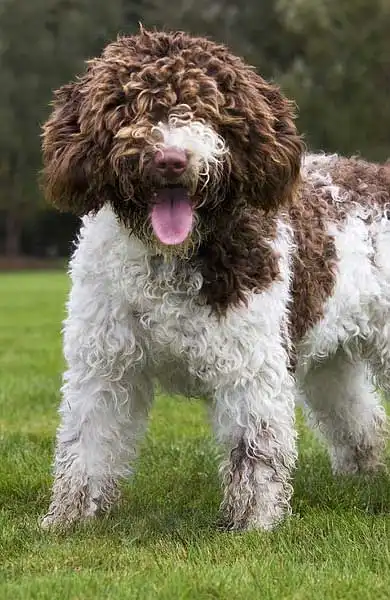
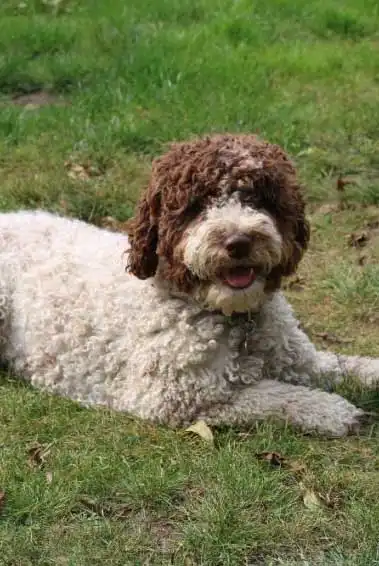
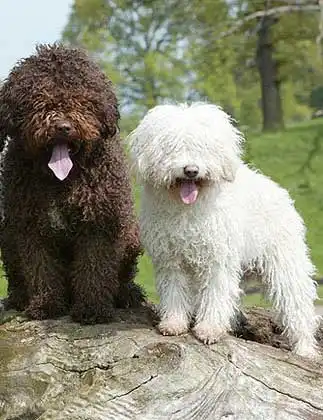
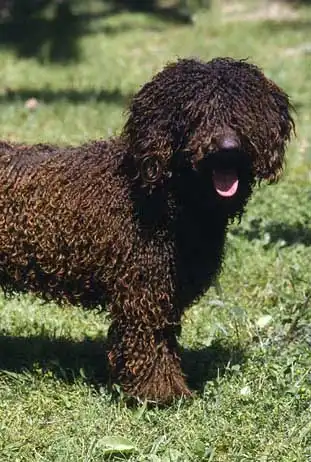
The Spanish Water Dog is easily recognized by its distinctive curly, coiled fur, which usually appears in solid colors, though a white parti-color pattern is also common. The curls have a wool-like feel and can sometimes develop into cords or dreadlocks. Its eyes, which come in various shades of brown, beautifully enhance the coat's color. The ears are set at a medium height, in line with the eyes, and have a slight forward droop, taking on a triangular shape. The skull is broad and flat, with a head-to-muzzle ratio of 3:2. The muzzle is wide at the base and narrows to a rounded tip, with the nose typically matching the coat color or being slightly darker. The lips are firm, and the dog usually has a scissor bite, although a level bite can also be seen. The forelegs are straight, strong, and moderately boned, with well-arched toes. The hind legs are muscular, featuring a well-bent stifle joint that leads to compact, rounded feet, which also have well-arched toes. The tail is generally docked and is held in a neutral position, neither high nor low.
Care Routine
The Spanish Water Dog requires very little grooming, and it’s important not to brush its coat. As the name suggests, these dogs are fond of swimming, and their fur and skin are well-adapted to frequent water exposure. Although they generally lack a strong doggy odor, their coat can occasionally trap water and debris, which may necessitate a bath. When drying your dog, gently blot the coat with a towel instead of rubbing it vigorously. If you find any knots or mats, carefully untangle them with your fingers, starting from the top. It’s recommended to shear the coat at least once a year, a practice that traditionally aligns with sheep shearing. As the hair regrows, you’ll need to help form cords to avoid matting near the skin. This breed is very active and needs daily exercise. However, once they have had enough physical activity, Spanish Water Dogs can relax comfortably indoors, making them suitable for apartment or city living. Their history and abilities demonstrate their adaptability, and they perform well in various climates. As a medium-sized breed, the Spanish Water Dog typically requires between 1.5 to 2 cups of dry food daily, divided into two meals. The precise amount of food should be adjusted based on your dog’s size, age, metabolism, and activity level. Regularly monitor your dog’s nutritional health and make necessary adjustments to help prevent any potential health concerns.
Behavior & Temperament
The Spanish Water Dog stands out as a remarkable and devoted companion, especially for families with children. This breed possesses strong herding instincts, which may lead it to instinctively attempt to herd youngsters. To address any protective tendencies, it is crucial to socialize the dog early with both people and other animals; however, aggressive behavior should never be accepted. Although the Spanish Water Dog may appear reserved around strangers, it is not inherently shy. This breed is known for its loyalty and high energy levels, flourishing when engaged in meaningful activities. Incorporating task-oriented play into their routine is essential, along with providing plenty of exercise. Given their impressive intelligence, it is important to keep both their minds and bodies stimulated for optimal health. Their desire to please, paired with their smarts, makes training relatively easy. However, this breed is best suited for confident owners who can take on the role of pack leader, making it less ideal for those new to dog ownership.
Play & Exercise
Things to Know
Cups Per Day
0.0 Cups
Daily Activity
0 Minutes
Average Lifespan
13 Years
Origin
10th Century
Type
Pure Breeds
Size
Not Set
Origin Country
Spain
Brush Frequency
Daily
Coat Texture
Straight
Register
Your kids have been begging for a pet forever, and you've recently decided that it's time for your family to get a new addition -- a dog! While everyone is excited for the new arrival, you're wondering if you need to have a dog license. How much does it cost? Is it required? Where do you get one?
Member Clubs

PETINNATE
Herding Dog

AKC
Herding Group

UKC
Herding Dog
Height & Weight
Weight
40 lbs (18 kg)Male: 45 lbs (20 kg) , Female: 36 lbs (16 kg)
Height
18 inches (46 sm)Male: 19 inches (48 sm) , Female: 17 inches (43 sm)