Staffie Bullweiler
Rottie Sttafy, Staffweiler
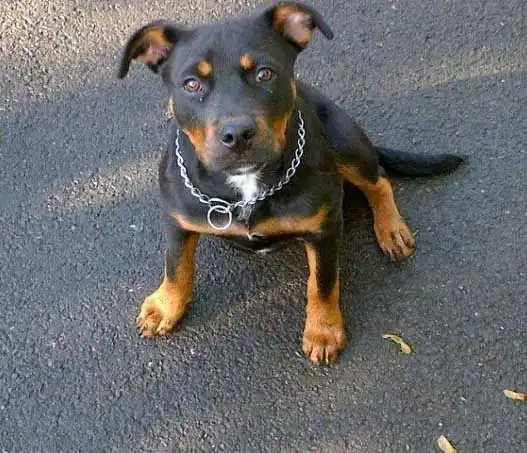
The Staffweiler, a hybrid breed created by crossing a Rottweiler with a Staffordshire Bull Terrier, is known for its compact size compared to Rottweilers while still exhibiting a similar level of strength and protective instincts. With appropriate early socialization, these dogs can coexist harmoniously with children and other pets. They are recognized for their intelligence, loyalty, and playful nature. Their coat is short and coarse, typically appearing in black, brown, or brindle shades, often featuring the distinctive tan markings on their faces reminiscent of Rottweilers. This mixed breed is not recommended for novice dog owners, as it requires someone with experience to facilitate effective training. Ideally, a Staffweiler thrives in a home environment with indoor living and access to a secure, fenced yard for outdoor enjoyment.
Breed Origin
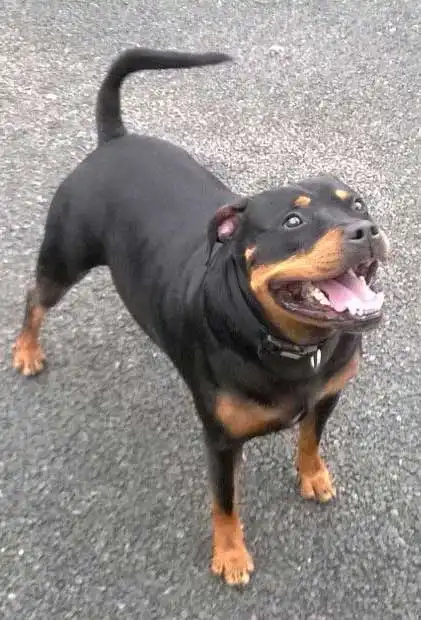
The Staffie Bullweiler is a mixed breed that results from crossing a Rottweiler with a Staffordshire Bull Terrier. Unfortunately, there is not much information available about this specific hybrid. The Staffordshire Bull Terrier has its origins linked to the Bulldog, which is thought to have developed from the breeding of Bulldogs and Manchester Terriers. This breed was intentionally created to be smaller and more agile in the ring while still being gentle with people. The first breed standard was set in the late 1830s, around the same time the first Staffordshire Bull Terrier club was established in England. The American Kennel Club recognized the Staffordshire Bull Terrier officially in 1975. On the other hand, the Rottweiler hails from Germany and is a descendant of the Molossus, a type of Mastiff that the Romans used for herding cattle during their travels to the region. The Rottweiler was developed by interbreeding these Molossus dogs with local breeds in southern Germany. As the Romans established colonies in this area, the favorable climate and soil conditions supported agricultural activities. They built red-tiled villas, which were later discovered during archaeological excavations, leading to the town being named ‘das Rote Wil’ (the red tile), which eventually became ‘Rottweiler.’ This town became a center for cattlemen and butchers who depended on Rottweilers for herding cattle, protecting money, and transporting meat. However, with the introduction of the railway, the demand for these dogs declined, nearly leading to the breed's extinction. It wasn't until the formation of the first Rottweiler club in 1901 and the establishment of a breed standard that the Rottweiler began to make a comeback. The breed arrived in America with German immigrants in the late 1920s and quickly became popular, receiving recognition from the American Kennel Club in 1931.
Breed Appearance
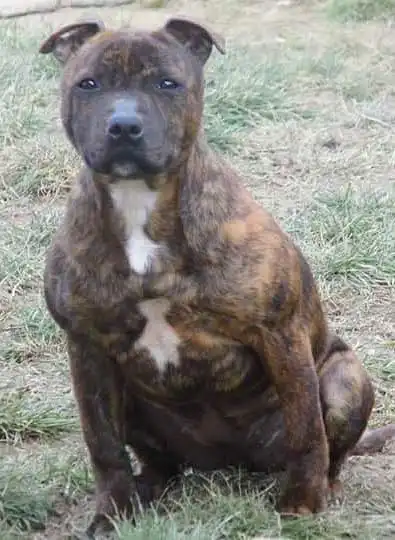
The Staffie Bullweiler is a sizable mixed breed dog, typically measuring between 19 and 24 inches in height and weighing anywhere from 60 to 88 pounds. This breed is characterized by its short, straight coat, which can come in shades of black, brown, or brindle, often highlighted by white markings on the chest and face. They may also display tan markings reminiscent of a Rottweiler, including patterns above the eyes, around the muzzle, on the cheeks, and along the legs. With a muscular physique, the Staffie Bullweiler has a compact body with broad shoulders and a sturdy tail. Generally, they are smaller than Rottweilers and have shorter legs. Their head is wide and short, featuring a flat muzzle and drooping ears. The eyes are almond-shaped and brown, paired with a broad black nose. This hybrid is recognized for its powerful jaw muscles, with teeth that come together in a scissor bite.

Care Routine
Both parents of the Staffie Bullweiler are moderate shedders, indicating that this breed will likely shed at a comparable rate. However, anticipate a noticeable increase in shedding once or twice a year. The dog's coat is short and straight, which simplifies the process of brushing out dirt. To maintain the health of his fur, it’s recommended to brush him weekly to remove loose hair and distribute the natural oils from his skin. Generally, these dogs do not have a strong odor, so bathing should be reserved for when it’s truly necessary to avoid drying out his skin. Additionally, it’s wise to brush his teeth two to three times a week to prevent the buildup of tartar and bacteria. If his nails grow too long, they should be trimmed once or twice a month. Finally, check his ears weekly for any signs of redness, debris, or inflammation, and clean them using a cotton ball and a suitable ear cleanser.
Behavior & Temperament
The Staffie Bullweiler is a cheerful, loyal, and intelligent breed. These dogs possess a strong instinct to protect their family and possessions. Generally obedient, they can be trained fairly easily, but it’s important to adopt a firm training style, as they may sometimes exhibit stubborn behavior. Early socialization is vital for a Staffie Bullweiler to foster a friendly attitude towards children and other pets. This hybrid typically enjoys socializing with other dogs and making new friends; however, if they take after their Rottweiler ancestry, they might display aggression towards other canines. Nonetheless, they are naturally sensitive and loving. For a Staffie Bullweiler to thrive, they require quality time with their family, engaging in play and receiving affection. They do not handle being left alone for long periods well, as solitude can lead to hostility and destructive tendencies. Additionally, they are energetic and playful companions.


Play & Exercise
This energetic mixed-breed dog boasts impressive stamina. However, he has a tendency to overindulge in food, which can lead to weight gain, making consistent exercise crucial. Aim for two to three walks of about 30 minutes each day to keep him in shape. He thrives on the freedom of running off-leash in a yard or park, enjoys digging, hiking, and many dogs like to swim. A kiddie pool or a trip to a lake for a refreshing dip can be a wonderful treat for him! These dogs are not suited for outdoor living, especially in hot and humid weather that may affect their breathing. The best environment for him is indoors, preferably in a cooler climate or with access to shaded areas on warm days, along with a fenced yard where he can play and dig.
Things to Know
Cups Per Day
2.5 Cups
Daily Activity
60 Minutes
Average Lifespan
12 Years
Origin
Unknown
Type
Crossbreeds
Size
Large
Origin Country
Unknown
Brush Frequency
Weekly
Coat Texture
Straight
Register
Your kids have been begging for a pet forever, and you've recently decided that it's time for your family to get a new addition -- a dog! While everyone is excited for the new arrival, you're wondering if you need to have a dog license. How much does it cost? Is it required? Where do you get one?
Member Clubs

PETINNATE
Other
Height & Weight
Weight
74 lbs (34 kg)Male: 78 lbs (35 kg) , Female: 70 lbs (32 kg)
Height
22 inches (56 sm)Male: 23 inches (58 sm) , Female: 20 inches (51 sm)
6 Months
42 lbs ( m 42 lbs, f 42 lbs )
12 inches ( m 12 inches, f 12 inches )
12 Months
56 lbs ( m 56 lbs, f 56 lbs )
16 inches ( m 16 inches, f 16 inches )
18 Months
70 lbs ( m 70 lbs, f 70 lbs )
20 inches ( m 20 inches, f 20 inches )
Eye Colors
Brown

Nose Colors
Black
Coat Colors
Brindle
Brown
Black